Jump to a section
When patients ask me about dental bonding vs veneers, the answer almost always starts the same way: both are excellent cosmetic treatments, but they solve different problems at different price points. I am Dr. Richard Baldwin, DMD, and after decades of practicing dentistry here in Huntington Beach, I have placed thousands of bondings and thousands of veneers. The right choice depends on what you are trying to fix, how long you want the results to last, and how much you are comfortable investing.
This guide breaks down everything you need to know so you can walk into your consultation with confidence.
What Is Dental Bonding?
Dental bonding is a procedure where a tooth-colored composite resin is applied directly to the surface of a tooth, then shaped and hardened with a curing light. Think of it as sculpting a small repair right onto the tooth. The resin is color-matched to your surrounding teeth, so the result blends in naturally.
Bonding is one of the most straightforward cosmetic treatments available. It works well for:
- Repairing small chips or cracks
- Closing minor gaps between teeth
- Covering stubborn stains that do not respond to whitening
- Reshaping teeth that are slightly uneven
- Protecting a section of tooth root exposed by receding gums
Because the composite resin bonds directly to your existing enamel, the procedure is considered reversible. Very little, if any, natural tooth structure needs to be removed.
What Are Porcelain Veneers?
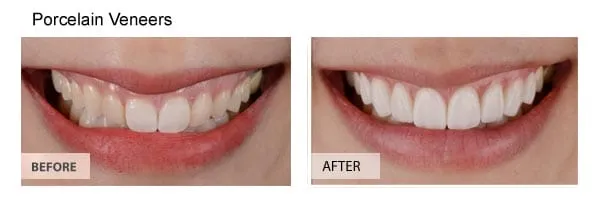
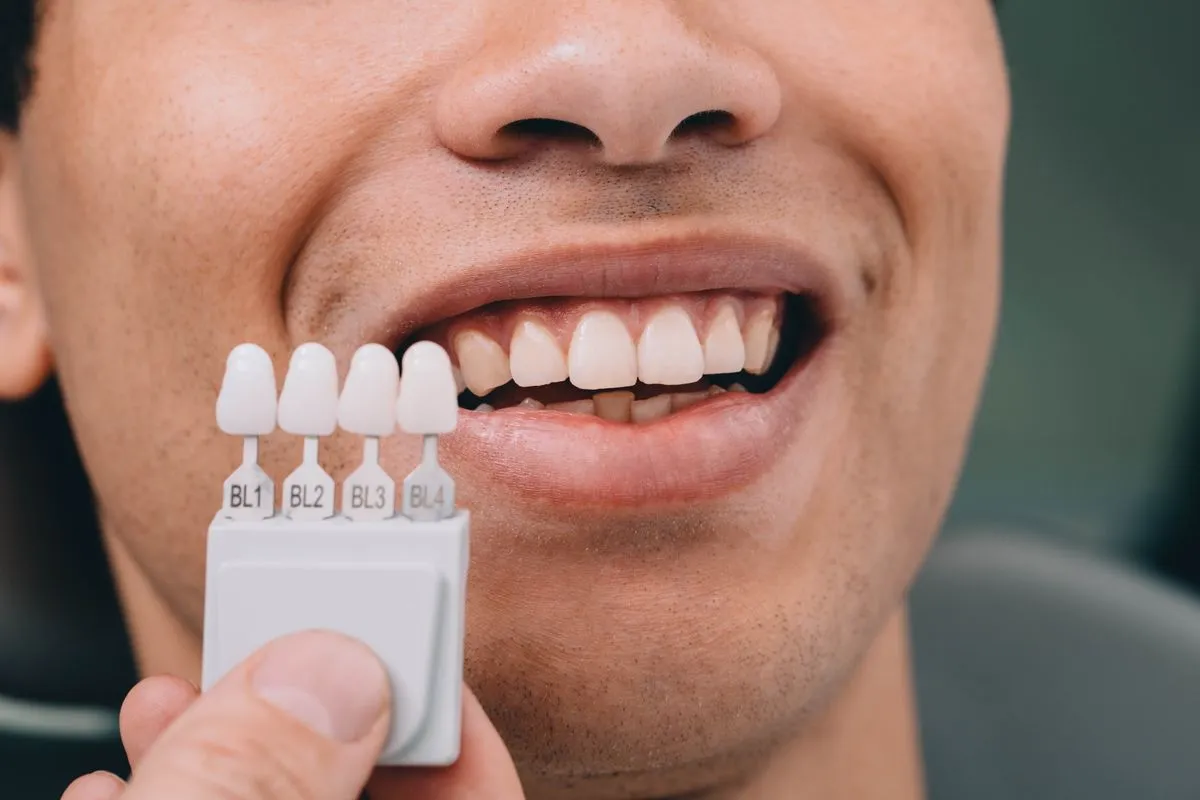
Porcelain veneers are thin, custom-fabricated shells made in a dental laboratory. They are permanently cemented to the front surfaces of your teeth, covering everything visible when you smile. Each veneer is crafted from medical-grade ceramic that mimics the translucency and light-reflecting properties of natural enamel.
Veneers are the go-to solution when you want a comprehensive transformation. They address:
- Multiple chipped, worn, or uneven teeth at once
- Moderate gaps and minor alignment issues
- Permanent discoloration or tetracycline staining
- Teeth that are too small or irregularly shaped
- A full smile makeover with a uniform, balanced appearance
To learn more about what veneers involve and whether you are a candidate, visit our veneers and laminates service page.
Procedure Comparison: What to Expect in the Chair
Dental bonding is typically completed in a single appointment. I prepare the tooth with a gentle etching solution, apply a conditioning liquid, then layer the composite resin onto the surface. Each layer is shaped by hand and hardened with a curing light. Once the final shape looks right, I polish the bonding until it matches the sheen of your natural teeth. The entire process takes about 30 to 60 minutes per tooth, and anesthesia is usually not required unless the bonding is near a sensitive area.
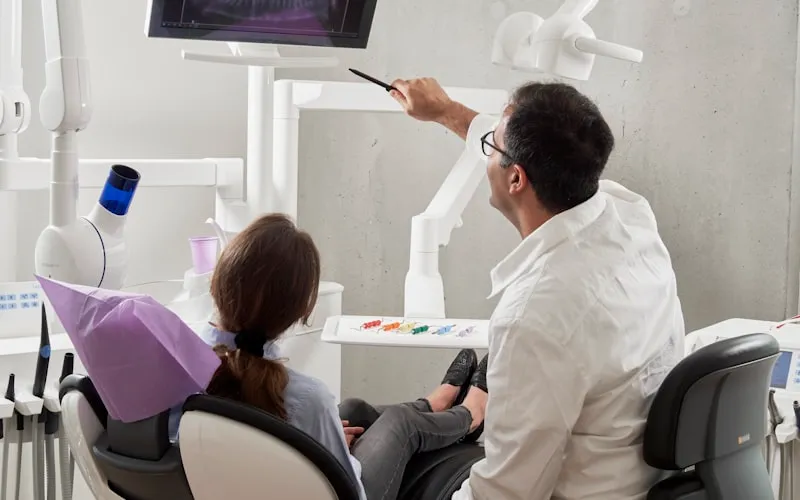
Porcelain veneers require two visits. During the first appointment, I remove a thin layer of enamel from the front of each tooth, typically about half a millimeter, to make room for the veneer. Impressions are taken and sent to our lab, and you leave with a set of temporary veneers to wear while the permanent ones are being crafted. At the second appointment, usually two to three weeks later, the temporaries come off, the final veneers are checked for fit and color, and they are permanently bonded in place.
The key procedural difference: bonding is additive and reversible, while veneers involve removing a small amount of enamel, making them a permanent commitment. That is an important distinction to understand before making your decision.
Cost Comparison
Cost is often the deciding factor, so here is what you can expect:
| Dental Bonding | Porcelain Veneers | |
|---|---|---|
| Cost per tooth | $200 – $600 | $1,000 – $2,500 |
| Number of visits | 1 | 2 |
| Procedure time | 30–60 min per tooth | 1–2 hours per visit |
| Durability | 5–7 years | 10–15 years |
| Stain resistance | Moderate | Excellent |
| Reversibility | Yes | No |
| Best for | Minor repairs, single teeth | Full smile transformations |
| Anesthesia needed | Rarely | Usually local anesthesia |
Bonding delivers noticeable improvement at a fraction of the cost, making it an ideal entry point into cosmetic dentistry. Veneers cost more upfront, but their longevity means the annual cost of ownership is often comparable. For a deeper look at veneer pricing factors, read our guide on porcelain veneers cost and benefits.
Durability: How Long Does Each Last?
Dental bonding lasts 5 to 7 years with proper care. Composite resin is durable, but it is softer than porcelain and more susceptible to chipping and staining over time. Habits like biting your nails, chewing ice, or opening packages with your teeth will shorten the lifespan of bonding. Touch-up repairs are quick and affordable when the time comes.
Porcelain veneers last 10 to 15 years, and many patients get even longer out of them. Porcelain is harder than composite resin and highly resistant to staining. With good oral hygiene and regular checkups, veneers maintain their appearance for well over a decade. When a veneer eventually needs replacement, the process is straightforward since the tooth is already prepared.
Appearance: Which Looks More Natural?
Both treatments look natural when done well, but they are not identical in their aesthetic results.
Bonding is excellent for small, isolated fixes. A skilled dentist can blend composite resin seamlessly with surrounding teeth. However, composite does not reflect light the same way porcelain does, so on larger surfaces or across multiple teeth, the difference can become noticeable over time, especially as the resin absorbs stain.
Porcelain veneers have a clear edge when it comes to overall aesthetics. The ceramic material replicates the depth, translucency, and light play of natural enamel in a way that composite simply cannot. For patients who want a Hollywood-caliber smile or are correcting multiple teeth at once, veneers deliver a more polished and uniform result.
When to Choose Dental Bonding
Bonding is the smarter choice when:
- You need to fix one or two teeth rather than your whole smile
- Your concern is a small chip, crack, or gap
- You want results in a single visit with no downtime
- Budget is a primary consideration
- You prefer a reversible treatment that preserves all of your natural tooth structure
- You want to test-drive a cosmetic change before committing to something permanent
I often recommend bonding to younger patients who may want veneers later in life. It gives you an immediate improvement without closing any doors.
When to Choose Porcelain Veneers
Veneers are the better investment when:
- You are correcting multiple teeth across your smile zone
- You want the longest-lasting result possible
- Stain resistance matters to you, especially if you drink coffee, tea, or red wine
- Your teeth have significant discoloration that whitening cannot address
- You want to change the shape, size, and alignment of several teeth at once
- You are ready for a permanent, transformative change
If you are also weighing whether a crown might be a better fit for a heavily damaged tooth, our comparison of dental crowns vs veneers walks through that decision in detail.
Can You Combine Bonding and Veneers?
Absolutely, and it is more common than most patients realize. A combined approach lets you invest strategically. For example, you might place porcelain veneers on your most visible front teeth where aesthetics and durability matter most, then use bonding on adjacent teeth that need only minor corrections.
This combination keeps costs manageable while still delivering a cohesive, natural-looking result. During your consultation, I will map out which teeth benefit most from each treatment so you get the best return on your investment.
The Bottom Line
The dental bonding vs veneers decision comes down to scope, budget, and goals. Bonding is fast, affordable, and reversible, making it perfect for targeted fixes. Veneers are a long-term investment in a comprehensive smile transformation. Both are proven treatments that I have relied on throughout my career, and both deliver results that patients are genuinely happy with.
The best way to know which option fits your situation is to see your teeth in person. Every smile is different, and a 20-minute consultation gives us everything we need to build a plan tailored to you.
Ready to explore your options? Call HB Dentist today at (714) 536-2571 or book a cosmetic consultation online to get started. We have been helping Huntington Beach smile with confidence for decades, and we would love to help you too.
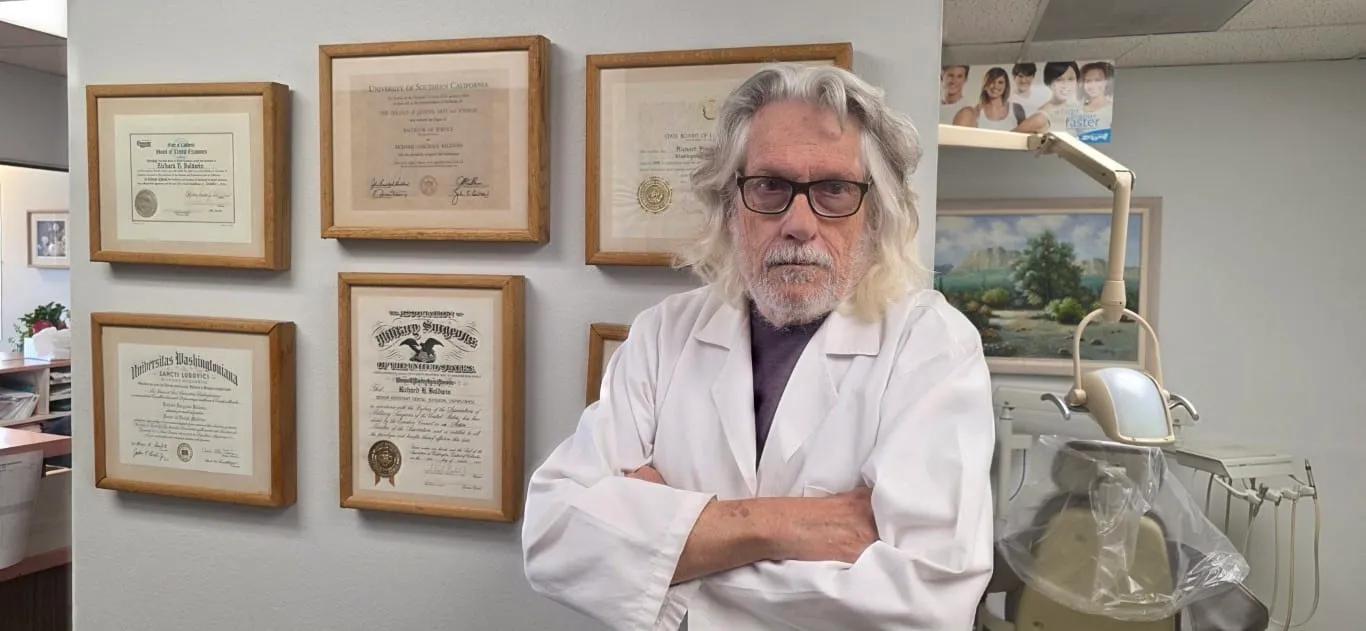
Written and clinically reviewed by Dr. Richard Baldwin, DMD General & cosmetic dentist in Huntington Beach since 1979 · Washington University School of Dental Medicine · Updated
Sources & further reading
- Veneers — American Dental Association · MouthHealthy
- Whitening: what patients should know — American Dental Association
This guide is general dental information from a practicing dentist, not a diagnosis. Treatment recommendations and costs are confirmed at an in-person exam.