Jump to a section
- Introduction
- How Electric Toothbrushes Work
- Advantages of Electric Toothbrushes
- Advantages of Manual Toothbrushes
- The Role of Fluoride in Brushing
- Electric vs Manual: Side-by-Side Comparison
- Which Should You Choose?
- Proper Brushing Technique (Either Type)
- When to Upgrade to Electric
- Frequently Asked Questions
Introduction
The debate between electric and manual toothbrushes has been ongoing for decades. Both options can effectively clean your teeth when used properly, but each has distinct advantages that may make one a better fit for your lifestyle, budget, and oral health needs.
Dr. Richard Baldwin breaks down the science to help you make the best choice for your oral health. Whether you are committed to your trusty manual brush or considering the switch to an electric model, understanding the differences will empower you to maintain the healthiest smile possible.
How Electric Toothbrushes Work
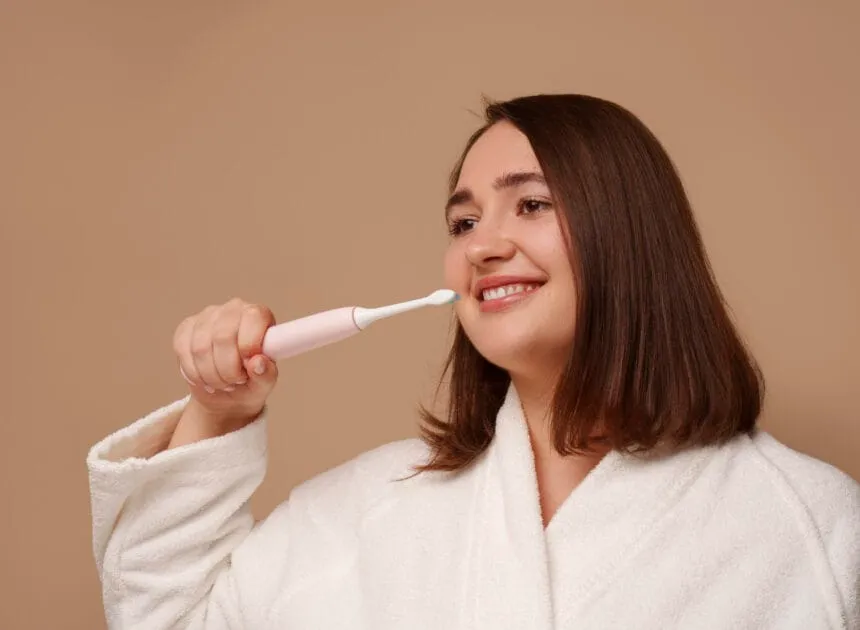
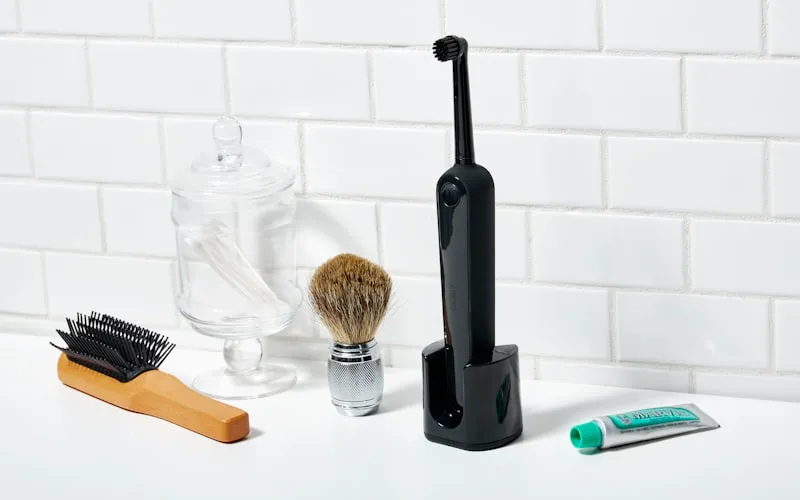
Electric toothbrushes use oscillating, rotating, or sonic technology to clean teeth. They typically deliver 30,000 to 40,000 brush strokes per minute compared to about 200 to 300 strokes per minute with manual brushing. This dramatic difference in brushing speed is what gives electric brushes their cleaning edge.
There are three main types of electric toothbrushes, each using a different mechanism to remove plaque:
- Oscillating-Rotating (e.g., Oral-B) — features a small round head that rotates back and forth, physically sweeping plaque off tooth surfaces
- Sonic (e.g., Sonicare) — uses high-frequency vibration to create fluid dynamics that dislodge plaque even slightly beyond where the bristles touch
- Ultrasonic — uses ultrasound waves beyond the audible range to break up bacterial chains and plaque at a microscopic level
All three types have been clinically proven to be effective at removing plaque and improving gum health when used as directed.
Advantages of Electric Toothbrushes
Research consistently demonstrates several key benefits of electric toothbrushes over their manual counterparts:
- Superior plaque removal — clinical studies show electric brushes are 21% more effective at removing plaque
- Built-in timers ensure you brush for the proper two-minute duration recommended by the American Dental Association
- Pressure sensors prevent over-brushing, which can lead to gum recession and enamel erosion
- Easier for people with limited mobility — particularly beneficial for those with arthritis, carpal tunnel syndrome, or other conditions affecting hand dexterity
- More effective at reaching back teeth — the compact oscillating heads can navigate tight spaces more easily
- Children often brush longer with electric brushes thanks to fun features, timers, and the novelty factor
- Better gum health outcomes in long-term studies, with an 11% reduction in gingivitis compared to manual brushing
Advantages of Manual Toothbrushes
Despite the technological advantages of electric brushes, manual toothbrushes remain a solid choice for many people. Here are the key benefits:
- No charging or battery replacement needed — always ready to use, no cords or docking stations required
- Inexpensive and widely available — costing just $1 to $5, they are accessible to everyone
- Travel-friendly — lightweight and compact with no charger to pack
- Full control over pressure and technique — experienced brushers can apply exactly the right amount of force
- No learning curve — the technique is straightforward and familiar to everyone
- Environmentally friendly — produces less plastic waste and has no electronic components to dispose of
When used with proper brushing technique, a manual toothbrush can be highly effective at maintaining good oral health.
The Role of Fluoride in Brushing
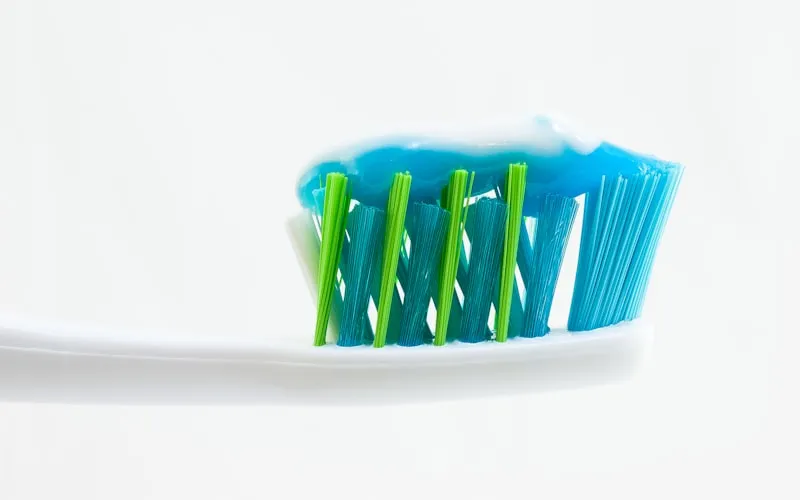
Regardless of which type of brush you choose, using fluoride toothpaste is essential for protecting your teeth. Fluoride strengthens enamel, remineralizes early decay, and provides a protective barrier against cavities.
The American Dental Association recommends using toothpaste with the ADA Seal of Acceptance containing fluoride. This applies equally whether you use an electric or manual toothbrush. For children, the ADA recommends a rice-sized amount of fluoride toothpaste for those under 3, and a pea-sized amount for children ages 3 to 6.
For additional cavity protection, especially in children and adolescents, dental sealants provide an excellent supplementary barrier against decay on the chewing surfaces of back teeth.
Electric vs Manual: Side-by-Side Comparison
| Feature | Electric Brush | Manual Brush |
|---|---|---|
| Plaque Removal | Superior (21% more effective) | Effective with proper technique |
| Cost | $20–$300+ | $1–$5 |
| Ease of Use | Easier — brush does most of the work | Requires proper technique |
| Portability | Bulkier, needs charging | Lightweight, travel-ready |
| Environmental Impact | Higher (electronics, batteries) | Lower (less plastic waste) |
| Battery Life | 2–4 weeks per charge | N/A |
| Best For | Seniors, children, limited dexterity | Budget-conscious, travelers |
Which Should You Choose?
Dr. Baldwin’s recommendation: “The best toothbrush is the one you’ll use consistently and correctly.” This is not a throwaway answer — it reflects a fundamental truth about oral hygiene. Consistency and technique matter far more than which tool you use.
That said, if your budget allows, electric toothbrushes do provide a slight edge in plaque removal and gum health outcomes. The built-in timers and pressure sensors take the guesswork out of brushing, which is especially valuable for people who tend to rush or press too hard.
However, a well-used manual toothbrush with proper technique outperforms a poorly used electric one every time. If you are diligent about brushing for two full minutes with correct form, a manual toothbrush will serve you well.
Proper Brushing Technique (Either Type)
Whether you choose electric or manual, these fundamentals apply to both:
- Brush for 2 full minutes, twice daily — divide your mouth into four quadrants and spend 30 seconds on each
- Use gentle pressure — let the bristles do the work; pressing too hard damages gums and wears down tooth enamel
- Cover all surfaces — outer, inner, and chewing surfaces of every tooth
- Don’t forget the gumline — angle your brush at 45 degrees to the gums to sweep away plaque where it accumulates most
- Replace brush heads every 3 months — worn bristles are significantly less effective at cleaning
- Consider combining with dental sealants for added cavity protection, especially for children and teens
For a detailed, step-by-step guide on correct brushing form, read our comprehensive article on how to brush your teeth properly.
When to Upgrade to Electric
If you currently use a manual toothbrush, consider switching to an electric model if you:
- Struggle to brush for a full 2 minutes — the built-in timer holds you accountable
- Have been told you brush too hard — pressure sensors will alert you before damage occurs
- Have arthritis or limited hand mobility — the brush does most of the work so you don’t have to
- Want more consistent plaque removal — the oscillating or sonic action is more thorough than manual strokes
- Have braces or other dental appliances — specialized brush heads can clean around brackets and wires more effectively
If any of these apply to you, investing in an electric toothbrush could make a meaningful difference in your oral health. Talk to Dr. Baldwin at your next appointment with HB Dentist in Huntington Beach — he can recommend a specific model based on your individual needs.
Frequently Asked Questions
Are electric toothbrushes really better than manual?
Clinical studies show electric toothbrushes remove 21% more plaque and reduce gingivitis by 11% compared to manual brushing. However, a manual toothbrush used with proper technique for 2 minutes is still effective at maintaining oral health. The best brush is the one you will use consistently and correctly.
How often should I replace my toothbrush or brush head?
Replace your manual toothbrush or electric brush head every 3 months, or sooner if the bristles become frayed. Worn bristles are significantly less effective at cleaning teeth and removing plaque. Some electric toothbrushes include bristle wear indicators to remind you when it is time for a replacement.
Can electric toothbrushes damage your teeth or gums?
When used correctly, electric toothbrushes are safe and gentle. Many models include pressure sensors that alert you when you are pressing too hard. Brushing too aggressively with any toothbrush — electric or manual — can cause gum recession and enamel wear.
What’s the best electric toothbrush?
Look for an electric toothbrush with the ADA Seal of Acceptance, a 2-minute timer, pressure sensor, and soft bristles. Both oscillating-rotating and sonic models are effective. Dr. Baldwin can recommend a specific model based on your oral health needs during your next visit.
Is fluoride toothpaste necessary?
Yes, fluoride is essential for preventing cavities and strengthening tooth enamel. The ADA recommends using fluoride toothpaste regardless of whether you use an electric or manual toothbrush. Children under 3 should use a rice-sized amount; children ages 3 to 6 should use a pea-sized amount.
Should children use electric toothbrushes?
Children can benefit from electric toothbrushes, especially models designed for kids with smaller brush heads and fun features. Many children brush longer and more thoroughly with electric brushes. Always supervise brushing for children under 8 to ensure proper technique and the right amount of toothpaste.
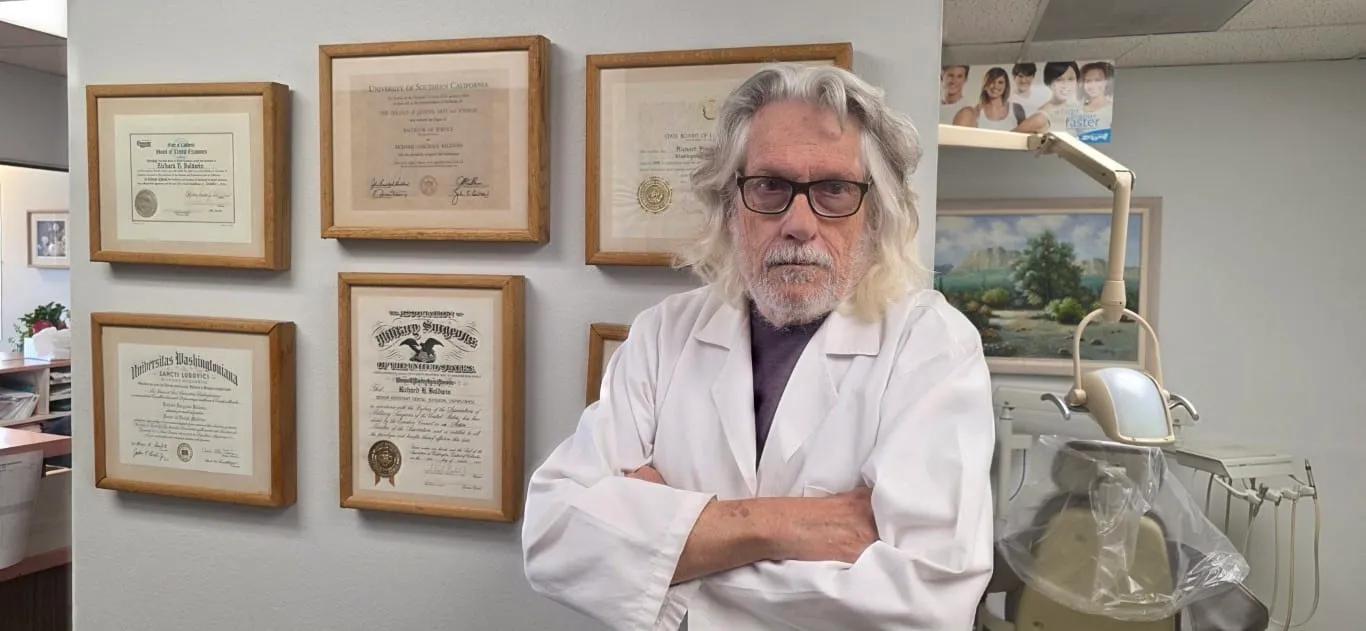
Written and clinically reviewed by Dr. Richard Baldwin, DMD General & cosmetic dentist in Huntington Beach since 1979 · Washington University School of Dental Medicine · Updated
Sources & further reading
- Brushing your teeth — American Dental Association · MouthHealthy
- Flossing — American Dental Association · MouthHealthy
- Dental X-rays — American Dental Association · MouthHealthy
- Tooth decay — National Institute of Dental and Craniofacial Research (NIH)
This guide is general dental information from a practicing dentist, not a diagnosis. Treatment recommendations and costs are confirmed at an in-person exam.