Jump to a section
- What Is Tooth Enamel? Your Smile’s First Line of Defense
- How Acid Erosion Works — and Why It’s Easy to Miss
- What Causes Tooth Enamel Erosion?
- Early Warning Signs of Enamel Erosion
- How to Stop Enamel Erosion: Evidence-Based Prevention
- Enamel Erosion Treatment Options
- Long-Term Lifestyle Changes That Keep Enamel Intact
- Can Enamel Erosion Be Reversed?
- Stop Erosion Early with Professional Fluoride Treatment in Huntington Beach
- Frequently Asked Questions
Last clinically reviewed: April 2026
Tooth enamel is the hardest substance your body makes — and once it’s gone, it’s gone for good. Enamel cannot regenerate, which makes erosion one of the most important dental problems to catch early. The good news: with the right habits and professional care, you can stop erosion from progressing and protect what remains. Here’s what Dr. Richard Baldwin at our Huntington Beach practice sees most often — and what actually works.
What Is Tooth Enamel? Your Smile’s First Line of Defense
Tooth enamel is the hardest substance in the human body, serving as a protective outer layer for your teeth. This crystalline mineral substance, primarily composed of hydroxyapatite (a calcium phosphate compound), shields the softer dentin and pulp beneath it. Despite its incredible hardness, enamel is not indestructible—it’s vulnerable to acid erosion, a process that affects millions of people worldwide.
Unlike cavities caused by bacteria and plaque, acid erosion is a chemical process where acids dissolve the mineral structure of your enamel. Over time, repeated acid exposure can significantly compromise your enamel’s integrity, leading to increased sensitivity, discoloration, and structural damage.
How Acid Erosion Works — and Why It’s Easy to Miss
Acid erosion occurs when teeth are exposed to acidic substances that lower the pH level in your mouth. When the pH drops below 5.5, the protective enamel begins to demineralize—a process where acids dissolve the mineral content of the enamel. This is different from the localized acid attack associated with cavity formation; erosion affects entire tooth surfaces uniformly.
The process is gradual but cumulative. Each exposure to acid chips away at your enamel, and unlike cavities, erosion doesn’t create a hole—instead, it flattens and smooths the tooth surface, eventually revealing the yellowish dentin underneath. This is why teeth with significant erosion often appear shorter and more translucent.
What Causes Tooth Enamel Erosion?
Understanding the sources of acid in your daily life is crucial for prevention. Here are the most common culprits:
Dietary Acids
- Citrus fruits and juices — Oranges, lemons, limes, and grapefruit are highly acidic, with pH levels often below 3
- Soft drinks and energy drinks — Both regular and diet sodas contain phosphoric or citric acid, making them particularly erosive
- Sports drinks — Despite marketing as healthy alternatives, many sports drinks are acidic to enhance flavor and preserve shelf life
- Wine and alcohol — Red and white wines are acidic, and alcohol itself can reduce saliva production
- Vinegar-based foods — Salad dressings, pickles, and condiments contain acetic acid
- Sour candies — These are coated with citric or malic acid, creating a double erosion risk

Gastric Acids
Conditions like GERD (gastroesophageal reflux disease), bulimia, and frequent vomiting expose teeth to stomach acid, which has a pH of approximately 1.5—extremely corrosive to enamel. Patients with these conditions are at significantly higher risk for acid erosion.
Medications and Supplements
Some prescription medications, particularly those for asthma, heart conditions, and vitamin C supplements, are acidic or can reduce saliva production, both increasing erosion risk.
Early Warning Signs of Enamel Erosion
Early detection is key to preventing extensive damage. Watch for these warning signs:
- Increased tooth sensitivity to hot, cold, or sweet foods — if this sounds familiar, our guide on tooth sensitivity causes and treatment can help
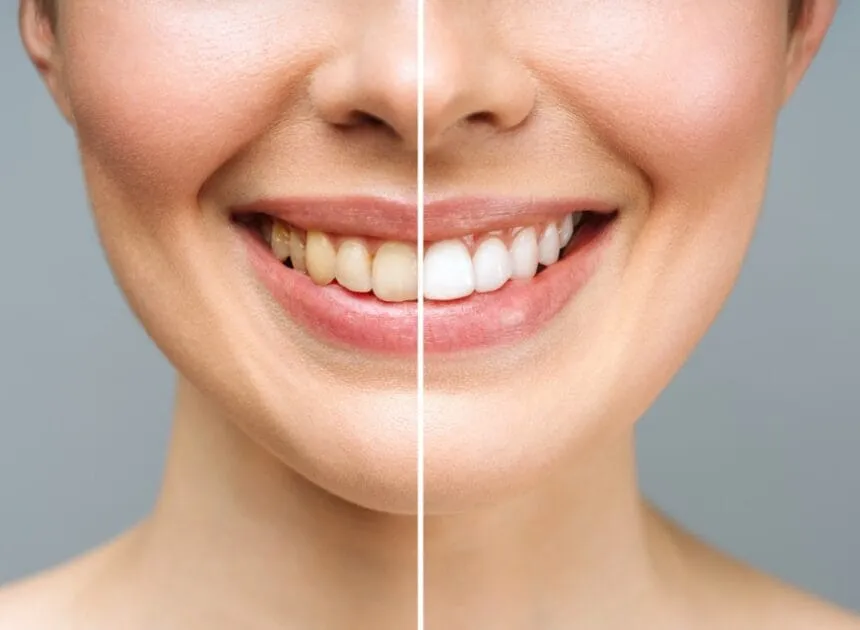
- Yellowing of teeth (dentin showing through thinned enamel)
- Teeth appearing shorter or more rounded at the edges
- Smooth, shiny surfaces with a glazed appearance
- Translucent tooth edges, especially visible on front teeth
- Cups or indentations on chewing surfaces
- Rough texture or pitting on the enamel surface
- Cracking or chipping of teeth
If you notice any of these symptoms, schedule an appointment with Dr. Richard Baldwin for a comprehensive evaluation. Early intervention can prevent the need for more extensive restorative treatments.
How to Stop Enamel Erosion: Evidence-Based Prevention
The best approach to acid erosion is prevention. Here are evidence-based strategies to protect your enamel:
Dietary Modifications
- Limit acidic beverages and consume them quickly rather than sipping throughout the day
- Use a straw when drinking acidic drinks to minimize contact with teeth
- Rinse your mouth with water after consuming acidic foods or drinks
- Wait 30 minutes before brushing after acid exposure (brushing immediately can damage softened enamel)
- Alternate acidic foods with alkaline foods like cheese or yogurt — our article on foods that strengthen teeth covers the best enamel-friendly choices
- Avoid sipping acidic drinks throughout the day
Oral Hygiene Best Practices
- Use a soft-bristled toothbrush to avoid additional enamel damage
- Choose toothpaste with fluoride to strengthen enamel
- Brush gently using circular motions rather than aggressive scrubbing—learn more in our guide on how to brush your teeth properly
- Floss daily to remove acid-trapping plaque
- Consider using a neutral pH mouthwash
Saliva Management
Saliva is your mouth’s natural defense against acid. It neutralizes acids and helps remineralize enamel. Increase saliva production by:
- Staying hydrated throughout the day
- Chewing sugar-free gum (xylitol-based is ideal)
- Consulting your doctor about medications that might reduce saliva

Enamel Erosion Treatment Options
Once enamel is damaged, it cannot regrow naturally. However, several treatment options can restore function and appearance:
Fluoride Treatments
Professional-grade fluoride applications strengthen remaining enamel and can help remineralize early-stage erosion. These treatments are applied in-office and are significantly more potent than over-the-counter fluoride products. Our practice also offers dental sealants as an additional protective barrier against acid damage.
Bonded Resins
Tooth-colored composite resins can be bonded to affected surfaces to restore shape, improve appearance, and reduce sensitivity. This is an effective solution for teeth with moderate erosion damage.
Crowns and Veneers
For severe erosion, dental crowns or porcelain veneers may be necessary. These restorations completely cover the damaged tooth surface, providing protection and aesthetic improvement. Dr. Baldwin uses advanced 3D technology to design and fabricate restorations that match your natural teeth perfectly. For patients seeking a minimally invasive option, Lumineers by Cerinate offer ultra-thin veneers that require little to no tooth reduction.
Gum Graft Surgery
In cases where erosion has affected the gum line, graft surgery may be recommended to protect the root surface.
Long-Term Lifestyle Changes That Keep Enamel Intact
Beyond immediate treatment, making conscious lifestyle choices will help protect your teeth:
- Monitor your medication side effects and discuss alternatives with your doctor if they’re acidic
- If you have GERD or other reflux conditions, work with your physician on management
- If struggling with an eating disorder, seek professional help and inform your dentist for appropriate preventive care
- Drink more water and stay hydrated to support saliva production
- Avoid holding acidic drinks in your mouth or swishing them around
- Consider using a protective mouth guard if you engage in contact sports
Can Enamel Erosion Be Reversed?
The direct answer: Enamel cannot regrow once lost — it is not living tissue and does not regenerate. However, early-stage erosion can be slowed or halted entirely with the right interventions. Damaged enamel can be restored functionally and cosmetically with bonded resins, porcelain veneers, or dental crowns, depending on how far the erosion has progressed.
This distinction is important: arresting erosion and restoring a tooth are two different goals — and both are achievable with timely, appropriate care.
How We Approach Acid Erosion Repair at Our Huntington Beach Practice
In our Huntington Beach practice, we see patients arrive at one of three stages, and the treatment path is different for each:
- Early-stage erosion — Enamel is thinning but damage is still confined to the surface. Treatment focuses on arresting the process: professional fluoride applications, personalized dietary guidance, and prescription-strength remineralization products. Many patients never progress beyond this point once the triggers are identified and addressed.
- Moderate erosion — Sensitivity is increasing, dentin is beginning to show through, and surface flattening is visible. We often add dental sealants to vulnerable back teeth and may place bonded composite resin on front teeth to restore contour and seal exposed dentin before further mineral loss occurs.
- Severe erosion — Significant tooth structure has been lost. At this stage, porcelain veneers, Lumineers, or full dental crowns are typically needed to fully restore the tooth. Dr. Baldwin uses advanced 3D digital imaging to design restorations that match your natural teeth in shape, shade, and bite.
The earlier erosion is caught, the more conservative — and cost-effective — the fix. If erosion has led to visible discoloration, professional teeth whitening combined with restorative care can help restore brightness, though patients with enamel thinning should first read our guide on teeth whitening for sensitive enamel before proceeding.
Regular check-ups allow Dr. Baldwin to detect and stage erosion early — often well before symptoms appear — so treatment stays as simple as possible.
Stop Erosion Early with Professional Fluoride Treatment in Huntington Beach
If you’re concerned about enamel erosion — or simply want to stay ahead of it — the team at HB Dentist offers in-office fluoride treatments that are far more concentrated than anything available over the counter. A professional fluoride application takes just a few minutes at your appointment and delivers meaningful remineralization support for at-risk enamel.
For patients with more established erosion patterns, we also apply dental sealants as a physical barrier over vulnerable surfaces. Combined with a personalized prevention plan — dietary adjustments, at-home fluoride, and regular monitoring appointments — most patients are able to halt erosion progression entirely.
Not sure where to start? Read our guide on finding the best dentist in Huntington Beach to understand what quality preventive care looks like, or call us directly at (714) 536-2571 to schedule a comprehensive enamel evaluation.
Frequently Asked Questions
Can tooth enamel grow back after acid erosion?
No, tooth enamel cannot regenerate once it is lost because it is not a living tissue. However, early-stage erosion can be arrested through fluoride treatments and remineralization strategies. For moderate to severe erosion, restorative treatments such as dental crowns, veneers, or bonded resins can restore both function and appearance.
What are the first signs of enamel erosion?
Early signs of enamel erosion include increased tooth sensitivity to hot, cold, or sweet foods, a yellowish discoloration as dentin shows through thinned enamel, teeth appearing shorter or more rounded at the edges, and smooth shiny surfaces with a glazed appearance. Translucent tooth edges, especially on front teeth, are also a common early indicator.
What foods and drinks cause the most enamel erosion?
The most erosive foods and drinks include citrus fruits and juices (pH below 3), soft drinks and energy drinks containing phosphoric or citric acid, sports drinks, wine, vinegar-based foods like salad dressings and pickles, and sour candies coated with citric or malic acid. Frequent sipping of acidic beverages throughout the day is particularly damaging.
How can I protect my tooth enamel from acid erosion?
Protect your enamel by limiting acidic beverages and using a straw when drinking them, rinsing your mouth with water after consuming acidic foods, waiting 30 minutes before brushing after acid exposure, using fluoride toothpaste, and chewing sugar-free xylitol gum to stimulate saliva production. Regular dental check-ups also allow your dentist to catch early signs of erosion.
How long does it take for acid to erode tooth enamel?
Acid erosion is a cumulative process — there is no single timeline, but frequent daily exposure to acidic foods or drinks can cause noticeable erosion within months to a few years. Every acidic exposure temporarily softens enamel, and if that softened mineral is not allowed to re-harden before the next exposure, erosion compounds quickly. People who sip acidic beverages throughout the day are at the highest risk for accelerated erosion.
What does eroded tooth enamel look like?
Eroded enamel typically looks yellower than healthy teeth because the dentin underneath shows through the thinned surface. Teeth may also appear shorter, more rounded at the edges, or have a smooth, glassy sheen. Front teeth may look slightly translucent at the tips, and molars may show cupping or indentations on their biting surfaces — both telltale signs of long-term acid damage.
Does drinking water help prevent enamel erosion?
Yes — rinsing with plain water after consuming acidic foods or drinks is one of the most effective low-cost prevention strategies. Water neutralizes mouth acidity and washes away residual acids before they can continue softening enamel. Fluoridated tap water provides an added layer of protection by helping remineralize softened enamel surfaces.
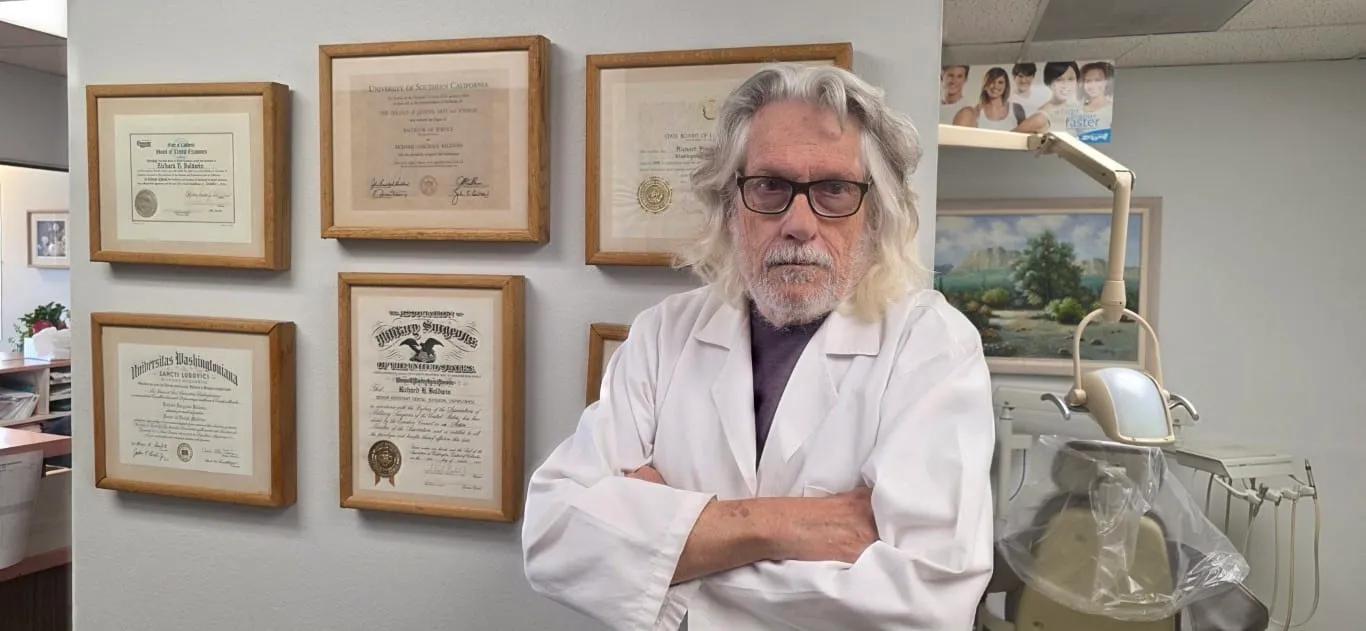
Written and clinically reviewed by Dr. Richard Baldwin, DMD General & cosmetic dentist in Huntington Beach since 1979 · Washington University School of Dental Medicine · Updated
Sources & further reading
- Brushing your teeth — American Dental Association · MouthHealthy
- Flossing — American Dental Association · MouthHealthy
- Dental X-rays — American Dental Association · MouthHealthy
- Tooth decay — National Institute of Dental and Craniofacial Research (NIH)
This guide is general dental information from a practicing dentist, not a diagnosis. Treatment recommendations and costs are confirmed at an in-person exam.