Jump to a section
- When Should Your Child First Visit the Dentist?
- What Happens at Your Child’s First Dental Visit
- Preparing Your Child for the Dentist
- Dental Milestones by Age: What to Expect
- Common Childhood Dental Issues
- Preventive Treatments That Protect Your Child’s Teeth
- Making Dental Visits Something Your Child Looks Forward To
- General Dentist vs. Pediatric Dentist: What’s Best for Your Child?
- Give Your Child a Healthy Start at HB Dentist
As a parent, few things matter more than your child’s health — and that includes their smile. Finding a trusted pediatric dentist in Huntington Beach who understands kids and gives you honest guidance can make all the difference. I’m Dr. Richard Baldwin, and during my decades practicing dentistry here in Huntington Beach, I’ve helped thousands of children — from nervous toddlers to teenagers getting ready for braces. Below, I’ll walk you through everything you need to know about your child’s dental care, from that very first visit to the habits that protect their smile for life.
When Should Your Child First Visit the Dentist?
This is the question I hear most often from new parents, and the answer surprises many of them. The American Dental Association recommends scheduling your child’s first dental visit by their first birthday — or within six months of the first tooth breaking through, whichever comes first.
I know that sounds early. Most parents assume they should wait until age two or three when baby teeth are fully in. But early visits serve a purpose beyond checking for cavities. That first appointment establishes what we call a “dental home” — a place your child associates with comfort and routine care rather than pain or fear.
Starting early also lets us catch potential issues before they become problems. We can spot early decay, identify jaw development concerns, and discuss teething, nutrition, and daily oral care habits that set the foundation for a lifetime of healthy teeth.
What Happens at Your Child’s First Dental Visit
If you’re imagining bright lights and scary instruments, take a breath. A first visit at our Huntington Beach office is designed to be gentle, short, and even fun.
The Exam Itself
For very young children — typically under age two — the exam often takes place with your child sitting in your lap while you face me. This keeps your little one feeling safe and secure. I’ll carefully check their teeth, gums, jaw, and bite to make sure everything is developing properly.
The entire visit usually lasts about 20 to 30 minutes. There are no painful procedures, no loud drills, and no reason for tears. We use friendly language your child can understand and let them explore the chair and tools at their own pace.
What We Discuss With You
After the exam, I discuss what I’ve observed and answer your questions. Common topics include teething timelines, thumb-sucking habits, bottle use, brushing techniques, and fluoride recommendations. Think of it as a wellness check for your child’s mouth — like a pediatrician visit, but focused on dental development.

Preparing Your Child for the Dentist
A little preparation at home goes a long way, especially for toddlers and preschoolers who feel anxious about new experiences.
Talk about the dentist in simple, upbeat terms — “The dentist is going to count your teeth!” — and avoid words like “hurt,” “shot,” or “drill.” Even when you’re saying those things won’t happen, young children latch onto the scary word and ignore the rest. Reading a children’s book about visiting the dentist the week before helps normalize the experience, and playing pretend at home — letting your child “examine” a stuffed animal’s teeth — builds familiarity.
On the day of the visit, bring a favorite stuffed animal or small toy. We welcome whatever helps your child feel at home. If your child tends toward dental anxiety, these small comforts make a real difference.
Dental Milestones by Age: What to Expect
Understanding your child’s dental development helps you know what’s normal and when to call us.
Baby Teeth (6 Months to 3 Years)
Most babies get their first tooth around six months, usually a lower front tooth. By age three, most children have all 20 primary teeth. These baby teeth matter more than parents realize — they hold space for permanent teeth, support chewing and speech, and guide jaw development. Decay in baby teeth can affect the permanent teeth forming underneath, so early cavities should always be treated.
Mixed Dentition (Ages 6 to 12)
Around age six, your child starts losing baby teeth and getting permanent ones. The first permanent molars — the “six-year molars” — come in behind the baby teeth rather than replacing them, so parents sometimes miss them. This is the ideal time to consider sealants for kids to protect those new molars from decay. We’ll also watch jaw growth and alignment to determine whether an orthodontic evaluation is needed, typically around age seven.
Full Permanent Teeth (Ages 12 and Up)
By early adolescence, most children have all 28 permanent teeth, with wisdom teeth arriving later. Good habits established during childhood — brushing twice a day, flossing daily, and regular dental visits — pay off enormously during this stage.
Prevention starts with routine visits — see our cleanings and exams page.
Common Childhood Dental Issues
Even with the best care, kids run into dental challenges. Here are the ones I see most often.
Cavities in Baby Teeth
Tooth decay is the most common chronic childhood disease in the United States — more common than asthma. Baby teeth have thinner enamel, so cavities form quickly. Frequent snacking, sugary drinks, and inconsistent brushing are the usual culprits. Caught early, treatment is simple and comfortable. Left untreated, cavities can cause pain, infection, and damage to developing permanent teeth.
Thumb Sucking and Pacifier Use
These habits are completely normal in infants and toddlers, and most children stop naturally between ages two and four. If the habit continues past four, it can affect tooth alignment and palate shape. We monitor this and recommend gentle strategies to help your child transition before lasting changes occur.
Early Tooth Loss From Injury
Kids are active — especially here in Huntington Beach. Knocked-out or chipped baby teeth are common, and while they may not always need treatment, we should evaluate them promptly. If a baby tooth is lost too early, a space maintainer may be needed to keep neighboring teeth from shifting.
Preventive Treatments That Protect Your Child’s Teeth
Learn more about children’s dentistry at our Huntington Beach family practice.
Prevention is always easier and more affordable than treatment. Two of the most effective tools we offer are sealants and fluoride.
Dental Sealants
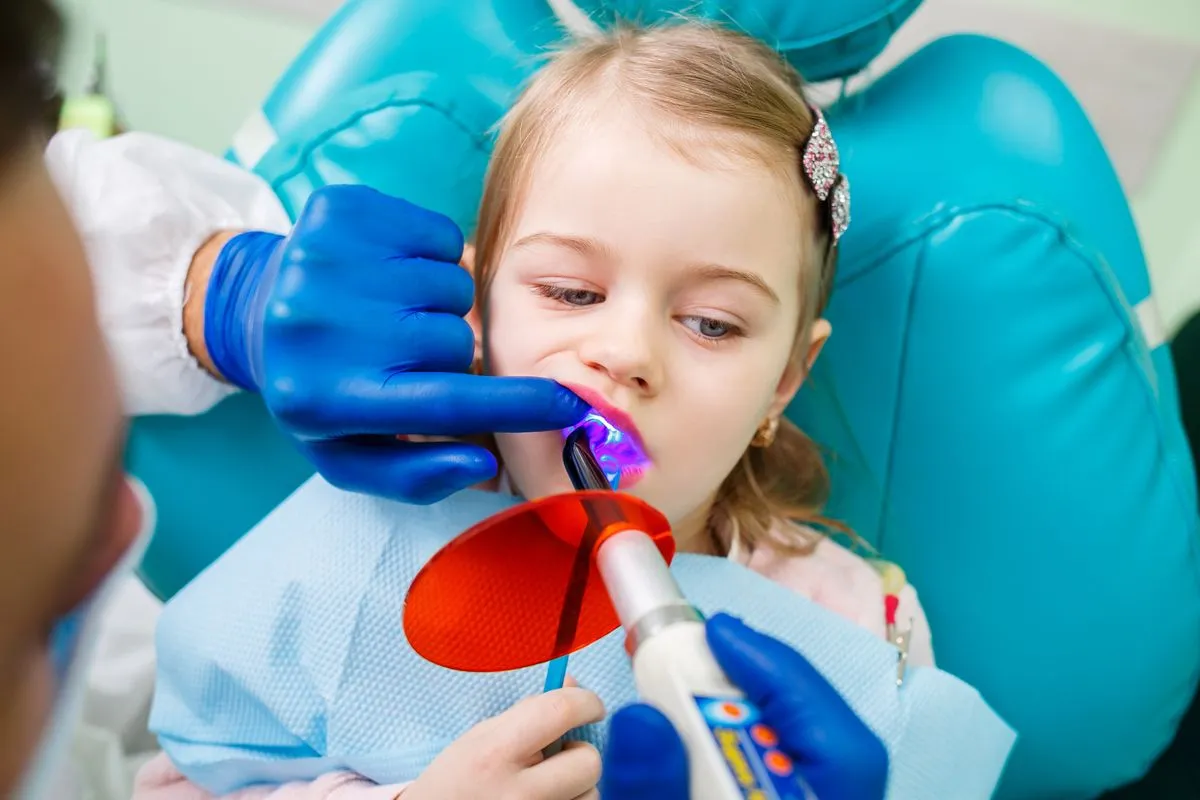
Dental sealants are thin, protective coatings painted onto the chewing surfaces of back teeth — the molars and premolars where most childhood cavities occur. The process is quick, painless, and requires no drilling. Sealants reduce the risk of decay by up to 80 percent and last several years. I recommend them for most children as soon as their permanent molars come in, typically around age six and again at twelve.
Fluoride Treatments
Professional fluoride varnish strengthens enamel and makes it more resistant to acids from cavity-causing bacteria. The application takes just a few minutes. Combined with fluoride toothpaste at home, these treatments provide a strong defense against decay during the years when children are still developing their brushing skills. For tips on building solid habits at home, see our guide on how to brush your teeth properly.
Making Dental Visits Something Your Child Looks Forward To
One of the things I’m most proud of is the number of children who actually enjoy coming to our office. That positive association doesn’t happen by accident — it’s something our entire team works toward at every visit.
We explain everything in language kids understand, let them touch and hold tools before we use them, and celebrate bravery whether the visit was a breeze or a challenge. We never rush — if a child needs extra minutes to warm up, that’s perfectly fine. The goal is to build a relationship with dental care that lasts a lifetime. For children who experience real fear beyond normal nervousness, our post on managing dental anxiety covers helpful techniques.
General Dentist vs. Pediatric Dentist: What’s Best for Your Child?
Parents sometimes wonder whether they need a board-certified pediatric dentist or whether a general family dentist can handle their child’s care. A pediatric dentist completes additional training focused on children and behavior management. A general dentist like myself with decades of experience treating kids offers the same gentle care — with the added benefit that your entire family can be seen under one roof.
At HB Dentist, I’ve been treating children in Huntington Beach for decades. I’ve seen multiple generations walk through our doors — parents who were once my young patients now bring their own kids. That continuity is something only a long-established family dental practice can offer. The most important thing isn’t the type of dentist — it’s finding a provider your child feels comfortable with.
Give Your Child a Healthy Start at HB Dentist
Your child’s dental journey starts with a single visit, and the earlier that visit happens, the better. Whether your baby just got their first tooth or your school-age child is overdue for a checkup, our Huntington Beach office is ready to welcome your family.
Call HB Dentist today at (714) 536-2571 or request an appointment online to schedule your child’s visit. We look forward to helping your little one build a smile that lasts a lifetime.
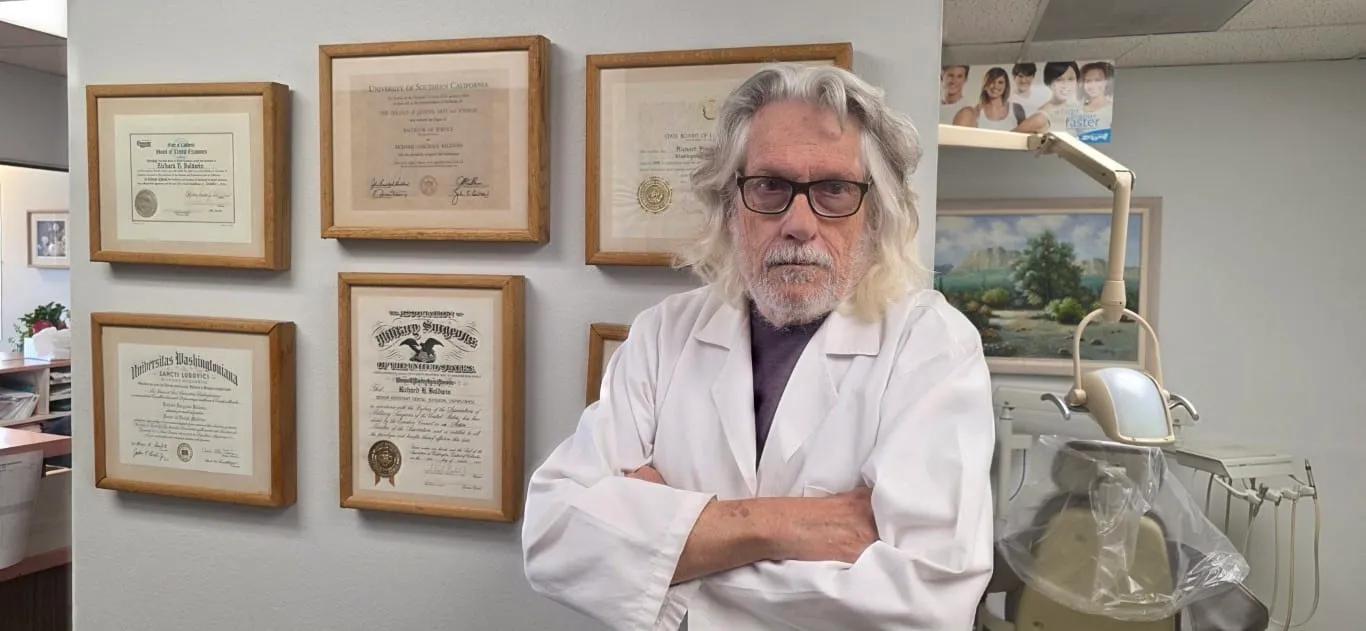
Written and clinically reviewed by Dr. Richard Baldwin, DMD General & cosmetic dentist in Huntington Beach since 1979 · Washington University School of Dental Medicine · Updated
Sources & further reading
- Parent resources — American Academy of Pediatric Dentistry
- Baby teeth — American Dental Association · MouthHealthy
- Sealants — American Dental Association · MouthHealthy
This guide is general dental information from a practicing dentist, not a diagnosis. Treatment recommendations and costs are confirmed at an in-person exam.