Jump to a section
- What Are Same-Day Dental Crowns?
- How CEREC Same-Day Crowns Work
- Traditional Two-Visit Crowns vs. Same-Day Crowns
- Crown Materials: Zirconia, Porcelain, and Lithium Disilicate
- Who Is a Candidate for Same-Day Crowns?
- How Much Do Same-Day Crowns Cost?
- Advantages of Same-Day Dental Crowns
- Limitations to Keep in Mind
- Get Your Same-Day Crown at HB Dentist
Getting a dental crown used to mean two office visits, a tray full of goopy impression material, and weeks wearing a fragile temporary. With CEREC same-day dental crowns, the entire process — from preparing the tooth to walking out with a permanent, custom-milled crown — happens in a single appointment that typically takes about two hours.
I am Dr. Richard Baldwin, DMD, and at HB Dentist in Huntington Beach I have been placing same-day crowns for years, and the technology only keeps getting better. Below, I will walk you through how CEREC works, how it compares to the traditional approach, what materials we use, who makes a good candidate, and what to expect in terms of cost.
What Are Same-Day Dental Crowns?
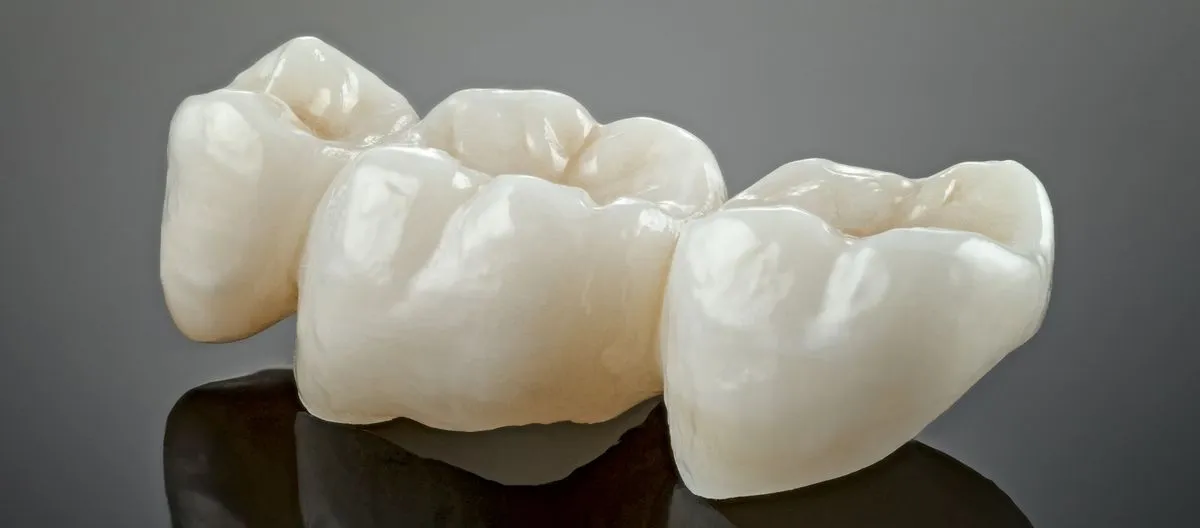
A same-day dental crown is a permanent ceramic restoration designed, manufactured, and bonded to your tooth in one office visit. The technology behind it is called CEREC — Chairside Economical Restoration of Esthetic Ceramics — a CAD/CAM system refined over more than three decades of clinical use.
Instead of sending a physical mold to an outside lab and waiting one to three weeks, we handle every step right here in the office. The result is a crown that fits precisely, looks natural, and is ready to use the moment you leave the chair.
If you want a broader overview of when crowns are recommended and what other options exist, take a look at our crowns and bridges service page.
For a full breakdown of what crowns cost locally, see our guide to dental crowns in Huntington Beach.
How CEREC Same-Day Crowns Work
The process breaks down into three stages, each relying on digital technology to eliminate the guesswork and mess of traditional methods.
Step 1: Digital Scanning
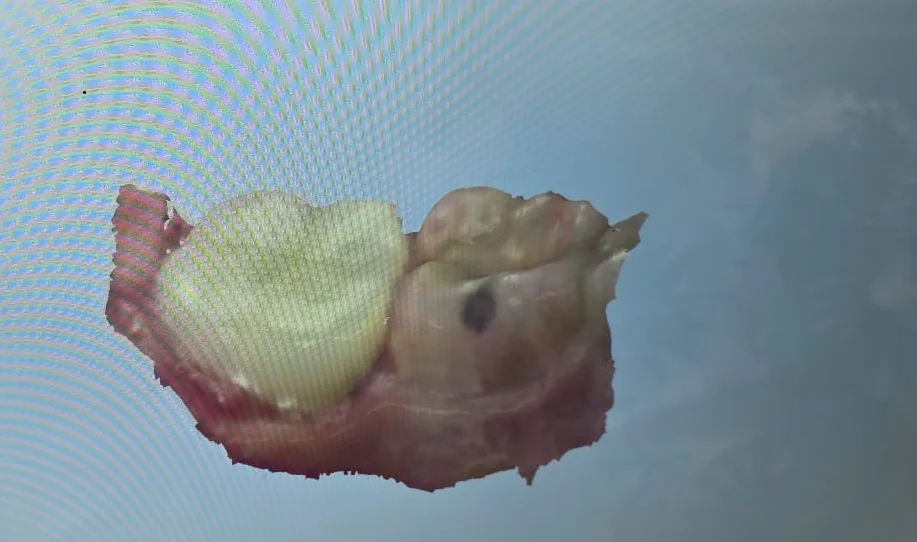
After the tooth is prepared, I use a small handheld camera to take digital images of the tooth and surrounding area. The scanner captures thousands of data points in seconds, creating a detailed 3D model on a monitor right next to the chair. There is no impression tray, no putty, and no gagging. Patients consistently tell me this is one of the biggest improvements over the old way.
Step 2: Computer-Aided Design
The 3D scan feeds directly into CEREC’s design software. On screen, I can see your tooth from every angle. The software proposes a crown shape based on the anatomy of your surrounding teeth — matching contours, cusps, and contact points so the new crown fits your bite naturally. I review and adjust the design in real time before a single piece of ceramic is touched.
Step 3: In-Office Milling
Once the design is finalized, the data is sent to a compact milling unit in our office. A solid block of ceramic is loaded into the machine, and diamond-coated burs carve the crown to exact specifications in roughly 10 to 15 minutes. I then check the fit, make any minor adjustments, glaze the surface for a lifelike finish, and bond the crown permanently to your tooth. You walk out with a fully functional restoration — no second visit needed.
Traditional Two-Visit Crowns vs. Same-Day Crowns
Here is a side-by-side comparison.
| Traditional Crown (2 Visits) | Same-Day CEREC Crown | |
|---|---|---|
| Number of appointments | 2, spaced 1–3 weeks apart | 1 (about 2 hours) |
| Impressions | Physical putty trays | Comfortable digital scan |
| Temporary crown | Yes — can loosen, break, or cause sensitivity | Not needed |
| Lab involvement | Off-site dental lab fabricates the crown | Milled in-office while you wait |
| Time in temporary | 1–3 weeks | None |
| Anesthesia sessions | 2 (one per visit) | 1 |
| Fit accuracy | High (lab-dependent) | High (digitally verified in real time) |
| Material options | Porcelain, zirconia, PFM, gold | Porcelain, zirconia, lithium disilicate |
| Longevity | 10–15+ years | 10–15+ years |
Both methods produce durable, long-lasting crowns. The main advantages of the same-day route are convenience, comfort, and eliminating the risks of wearing a temporary — such as it popping off while eating, bacterial leakage, or increased sensitivity between visits.
Crown Materials: Zirconia, Porcelain, and Lithium Disilicate
The material we select depends on where the crown sits in your mouth and the forces it needs to handle.
Porcelain (Feldspathic Ceramic)
Porcelain crowns deliver outstanding aesthetics. They mimic the translucency of natural enamel, making them a popular choice for front teeth where appearance matters most. Modern CEREC porcelain blocks come in a range of shades and gradients to blend seamlessly with your smile.
Zirconia
Zirconia is the workhorse of modern crown materials. It is exceptionally strong — significantly more fracture-resistant than porcelain — and works well for back teeth that absorb heavy chewing forces. Advances in manufacturing have also improved zirconia’s translucency, so it can now be used in visible areas when extra strength is needed.
Lithium Disilicate (e.max)
Lithium disilicate sits in the sweet spot between aesthetics and strength — stronger than feldspathic porcelain yet more translucent than zirconia. Many of the same-day crowns we place use lithium disilicate blocks because of this versatility.
All three materials are metal-free, biocompatible, and resistant to staining — a meaningful upgrade from the porcelain-fused-to-metal (PFM) crowns that were the standard for decades.
Who Is a Candidate for Same-Day Crowns?
Most patients who need a crown are candidates for same-day treatment. Common situations:
- Teeth weakened by large fillings that no longer provide adequate support
- Cracked or fractured teeth that need full-coverage protection
- Teeth that have had root canal therapy and need reinforcement
- Cosmetic cases where a tooth is severely discolored or misshapen — though in some cosmetic scenarios porcelain veneers may be a better fit
- Replacing an old, failing crown with a new restoration in a single visit
There are a few situations where a traditional lab-fabricated crown may be preferable. Complex cases involving multiple adjacent crowns, full-mouth reconstructions, or certain bridge configurations can benefit from the customization a dental lab provides. During your exam, I will let you know which route makes the most sense.
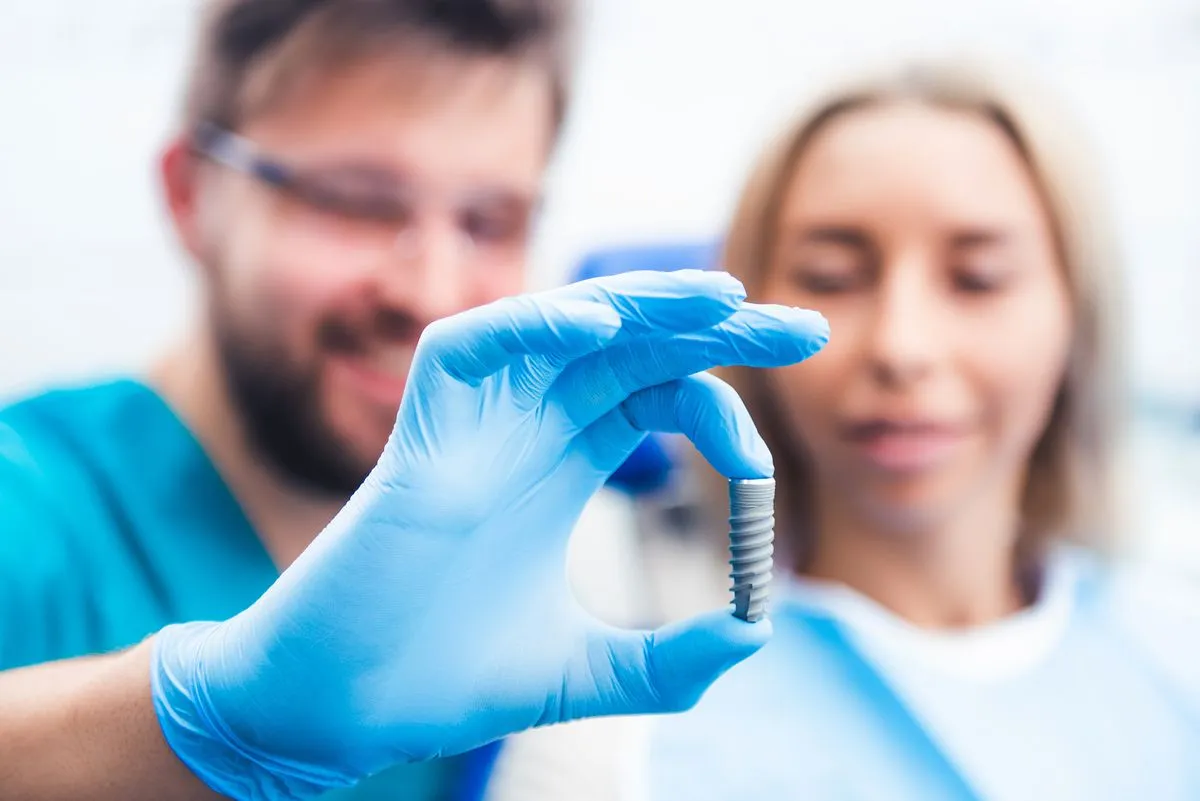
It is also worth noting that a crown is the right solution only when enough healthy tooth structure remains to support one. If a tooth is too damaged or missing entirely, a dental implant may be the better long-term option.
How Much Do Same-Day Crowns Cost?
Same-day crowns are generally priced in the same range as traditional crowns — typically $800 to $1,500 depending on the material and complexity.
Insurance plans that cover crowns usually cover same-day crowns at the same benefit level since the procedure code is the same. We always verify your benefits before treatment so there are no surprises.
When you factor in the value of your time — one appointment instead of two, no missed work, no emergency calls about a dislodged temporary — same-day crowns often end up being the more economical choice overall.
Advantages of Same-Day Dental Crowns
To summarize the key benefits:
- One appointment, one round of anesthesia. You are done in about two hours.
- No temporary crown. This eliminates the most common source of discomfort and frustration in the traditional process.
- Digital precision. Margins and contacts are verified on screen before milling even begins.
- Immediate protection. Your tooth is sealed the same day, reducing the risk of contamination or fracture while waiting for a lab crown.
- Natural appearance. Ceramic blocks are shade-matched to replicate the look of your surrounding teeth.
- Proven track record. CEREC has been used in dentistry since 1985, with continuous improvements in software, scanners, and materials.
Limitations to Keep in Mind
No technology is perfect in every scenario. Here are the honest trade-offs:
- Complex multi-unit cases. Bridges spanning three or more teeth or full-arch rehabilitations may still benefit from lab fabrication where a technician can hand-layer porcelain for optimal aesthetics.
- Extreme shade matching. For a front tooth that needs to match a very unusual shade, a master ceramist can sometimes achieve artistry a milled block cannot replicate — though this gap continues to narrow.
- Material selection. CEREC handles porcelain, zirconia, and lithium disilicate well, but does not produce gold or PFM crowns. For most patients this is not a concern since all-ceramic crowns are now the preferred standard.
For the typical single-tooth crown, same-day CEREC technology delivers results equal to or better than the traditional lab process, with far greater convenience.
Get Your Same-Day Crown at HB Dentist
After decades of practicing dentistry in Huntington Beach, I have seen the profession evolve in remarkable ways. Same-day crowns are one of the most meaningful advances because they remove the part patients dread most: the waiting, the temporary, and the second appointment.
If you have a tooth that needs a crown — or you have been putting off treatment because two visits felt like too much — call us at (714) 536-2571 or use the scheduling form on our website to book your appointment. We will take great care of you.
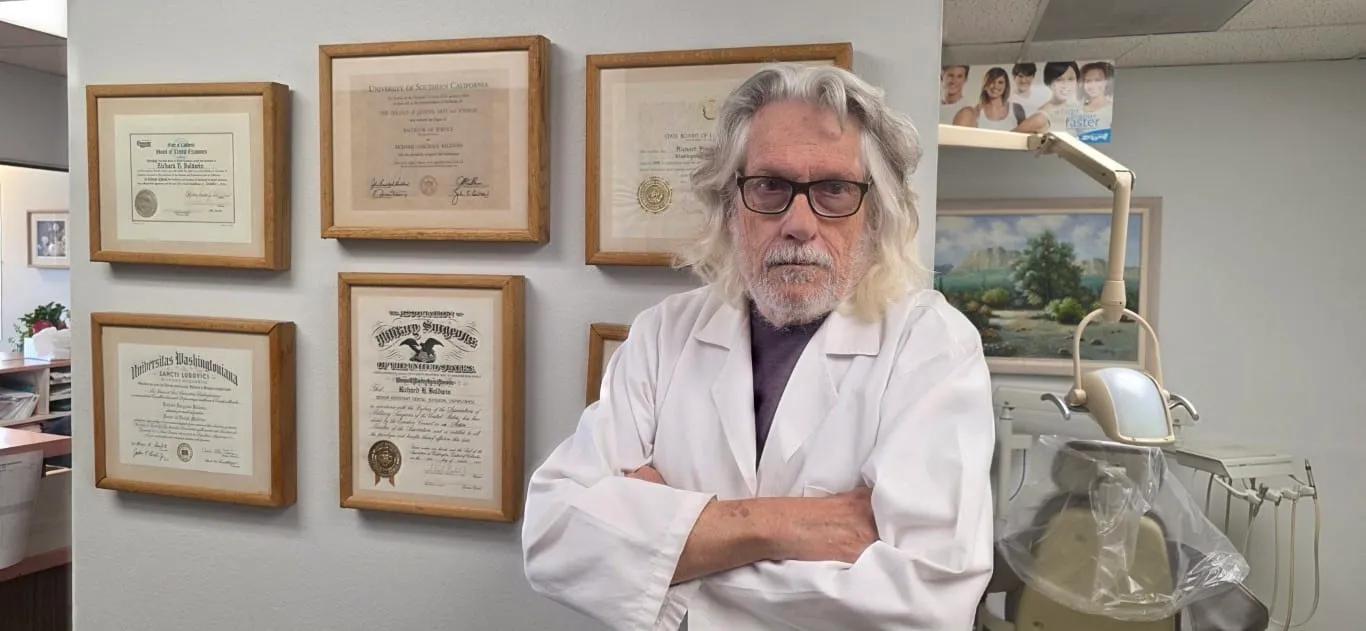
Written and clinically reviewed by Dr. Richard Baldwin, DMD General & cosmetic dentist in Huntington Beach since 1979 · Washington University School of Dental Medicine · Updated