Jump to a section
- How Tooth Extraction Recovery Works
- Day-by-Day Recovery Timeline
- What to Eat After a Tooth Extraction
- What to Avoid During Recovery
- Pain Management After Tooth Extraction
- Blood Clot Care and Dry Socket Prevention
- Signs of Complications: When to Call the Dentist
- Long-Term Tooth Replacement Options
- Heal With Confidence
Getting a tooth pulled can feel like a big deal, but tooth extraction recovery is usually straightforward when you know what to expect. In decades of practicing dentistry here in Huntington Beach, I have walked thousands of patients through this process. The single best thing you can do is follow your post-op instructions carefully and give your body the time it needs to heal.
Whether you just had a wisdom tooth removed or a badly damaged molar taken out, this guide covers everything you need to know — day by day — so you can heal faster and avoid complications.
How Tooth Extraction Recovery Works
When a tooth is removed, your body immediately begins forming a blood clot in the empty socket. That clot protects the underlying bone and nerve tissue, reduces bleeding, and creates the scaffolding new tissue needs to fill the space.
Most noticeable healing happens in the first one to two weeks. Complete bone remodeling continues for several months, but you will feel back to normal well before that.
Day-by-Day Recovery Timeline
Day 1: The First 24 Hours
The first day is all about protecting that blood clot. Here is what you can expect:
- Bleeding. Light oozing is normal. Bite gently on the gauze pad we place over the site, changing it every 30 to 45 minutes until the bleeding slows.
- Swelling. Some puffiness around the cheek or jaw is normal and may not peak until the following day.
- Numbness. Local anesthesia can linger for two to five hours. Be careful not to bite your lip, cheek, or tongue while still numb.
- Rest. Keep your head elevated — even while sleeping — and avoid strenuous activity.
Apply an ice pack to the outside of your cheek in 20-minute intervals (20 minutes on, 20 minutes off) to keep swelling under control.
Days 2–3: Early Recovery
By the second and third day, you will likely notice:
- Swelling reaches its peak and then begins to subside.
- Discomfort is still present but manageable with medication.
- The blood clot is maturing and the socket edges may look white or yellowish — that is normal healing tissue, not infection.
Continue eating soft foods, rinsing gently with warm salt water (starting 24 hours after surgery), and taking it easy. Most patients can return to desk work by day two or three, though physically demanding jobs may need another day or two.
Days 4–7: Turning the Corner
This is when most patients start to feel significantly better. Pain decreases noticeably, swelling continues to go down, and you can begin reintroducing firmer foods. Avoid anything hard or crunchy directly over the extraction site.
If you had stitches, dissolvable sutures begin to break down around day five to seven. Non-dissolvable stitches are typically removed at a follow-up appointment during this window.
Weeks 2–4: Soft-Tissue Healing
By the end of the second week, the extraction site is usually closed over with new gum tissue and most dietary restrictions are lifted. Underneath the surface, bone is still filling in — a process that continues quietly for several months.
At this stage, we often begin discussing long-term tooth replacement options like dental implants or crowns and bridges to prevent the surrounding teeth from shifting and to restore full chewing function.
What to Eat After a Tooth Extraction
Choosing the right foods speeds healing and keeps you comfortable.
Best Foods for the First 48 Hours
Stick with cool or room-temperature options to avoid disturbing the clot:
- Yogurt (no granola or crunchy toppings)
- Applesauce
- Smoothies (eaten with a spoon — no straws)
- Mashed bananas
- Chilled soups like gazpacho or blended butternut squash
- Pudding or Jell-O
- Protein shakes (sip carefully — no straws)

Best Foods for Days 3–7
Once tenderness fades, introduce warm, soft foods:
- Scrambled eggs
- Mashed potatoes or sweet potatoes
- Oatmeal
- Soft pasta with a smooth sauce
- Steamed vegetables
- Cottage cheese
- Avocado
- Soft fish like tilapia or salmon (flaked, not crispy)
Returning to a Normal Diet
Most patients eat normally within seven to ten days, though you may want to chew on the opposite side a bit longer. If something feels uncomfortable, give it another day or two.
What to Avoid During Recovery
Certain habits and foods can dislodge the blood clot, delay healing, or cause infection:
- Straws. The suction can pull the clot out of the socket. Avoid straws for at least five to seven days.
- Smoking and tobacco. Smoking dramatically increases dry socket risk. Wait at least 72 hours — longer is better.
- Alcohol. Avoid for at least 48 to 72 hours. Alcohol thins the blood and can interact with pain medication.
- Hard, crunchy, or sticky foods. Chips, nuts, popcorn, raw carrots, and taffy can irritate the socket or get lodged in it.
- Vigorous rinsing or spitting. Do not rinse forcefully for the first 24 hours. After that, use gentle salt-water rinses.
- Strenuous exercise. Heavy lifting, running, and intense workouts raise blood pressure and can restart bleeding. Take it easy for two to three days.
Pain Management After Tooth Extraction
Some discomfort after an extraction is expected, but it should be manageable.
Medication
I typically recommend over-the-counter ibuprofen (Advil or Motrin) as the first line of relief because it reduces both pain and inflammation. Acetaminophen (Tylenol) can be alternated with ibuprofen for additional control. For more complex extractions, such as impacted wisdom teeth, a short course of prescription medication may be provided. Always take medications as directed.
Ice and Elevation
Ice packs during the first 24 hours and sleeping with your head propped up on an extra pillow go a long way toward reducing swelling and throbbing.

Salt-Water Rinses
Starting 24 hours after your extraction, gently rinse with half a teaspoon of salt in eight ounces of warm water. Do this three to four times a day, especially after meals, to keep the area clean without harsh mouthwash.
Blood Clot Care and Dry Socket Prevention
Read more about tooth extractions at our Huntington Beach office, including how we help you avoid dry socket.
Dry socket (alveolar osteitis) occurs when the blood clot is lost or dissolves too early, exposing the bone and nerves underneath. It is the most common complication after an extraction — and the most preventable.
How to Protect the Clot
- Do not use straws, spit forcefully, or smoke.
- Avoid poking at the socket with your tongue or fingers.
- Eat soft foods and chew away from the extraction site.
- Follow all rinsing instructions carefully.
Signs of Dry Socket
Dry socket typically appears two to four days after the extraction. Symptoms include:
- Severe, throbbing pain that radiates toward your ear or eye on the same side.
- A visible empty socket where you can see bone instead of a dark blood clot.
- An unpleasant taste or odor in your mouth.
If you suspect dry socket, call us right away. Treatment involves cleaning the socket and placing a medicated dressing. With proper care, dry socket resolves within a week to ten days.
Signs of Complications: When to Call the Dentist
Most tooth extraction recovery goes smoothly, but contact our office if you experience:
- Pain that worsens after day two or three instead of gradually improving.
- Excessive bleeding that does not slow after biting on gauze for 30 minutes.
- Fever above 101 degrees Fahrenheit, which may indicate infection.
- Swelling that worsens after day three or spreads to your neck.
- Numbness or tingling that persists beyond 24 hours.
- Pus or foul-smelling drainage from the extraction site.
- Difficulty swallowing or breathing, which requires immediate medical attention.
When in doubt, call. It is always better to check in than to let a small problem become a bigger one, and our guide to emergency dental care explains what to do when pain, swelling, or bleeding cannot wait.
Long-Term Tooth Replacement Options
Once the extraction site has fully healed — usually within a few months — it is important to replace the missing tooth. Leaving a gap can cause neighboring teeth to shift, alter your bite, and lead to bone loss over time.
Dental Implants
Dental implants are the gold standard for tooth replacement. An implant mimics the natural tooth root, preserves jawbone density, and can last a lifetime with proper care. Our guide on dental implant costs in Huntington Beach breaks down what to expect.
Crowns and Bridges
A dental bridge is another reliable option, especially when implants are not feasible. A bridge anchors a replacement tooth to the teeth on either side of the gap, restoring both appearance and function.
We discuss replacement options with every extraction patient because planning early gives you the best results.
Heal With Confidence
Tooth extraction recovery does not have to be stressful. With the right preparation, a soft-food plan, and a little patience, most patients are back to normal within a week. Protect the blood clot, follow your post-op instructions, and reach out if anything feels off.
If you have an upcoming extraction — or if you are healing now and have questions — call our Huntington Beach office today or request an appointment online. At HB Dentist, Dr. Richard Baldwin, DMD and our team will make sure you are comfortable, informed, and supported every step of the way.
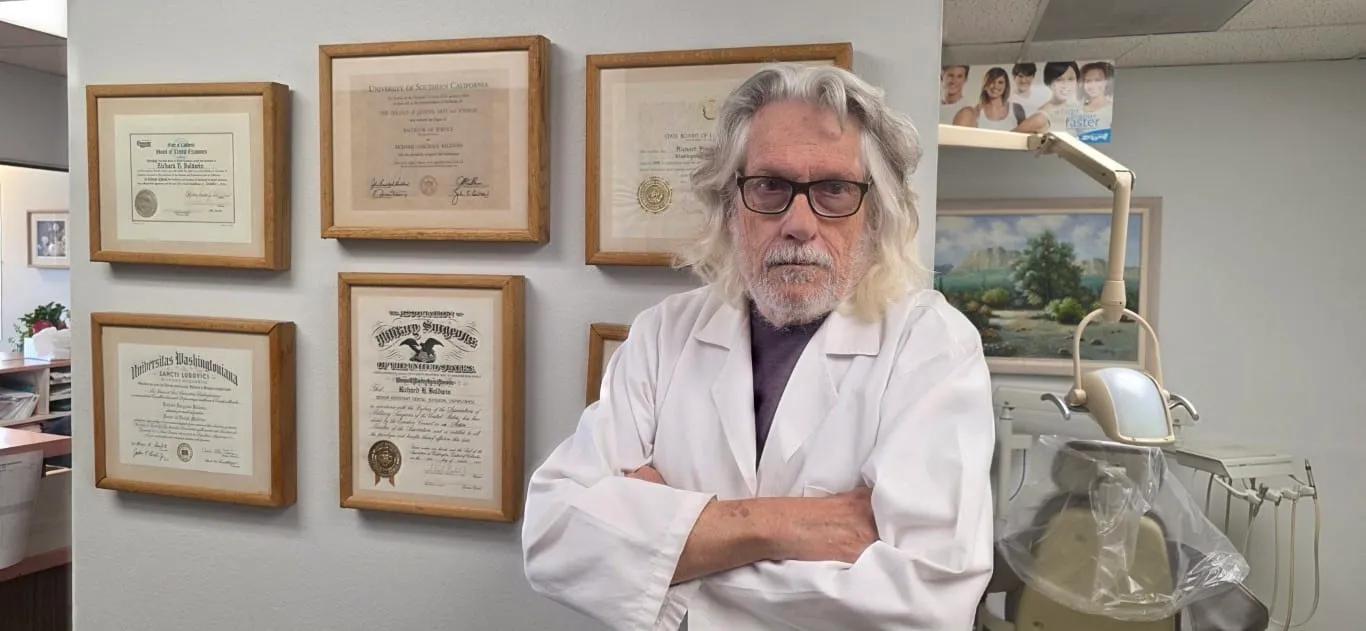
Written and clinically reviewed by Dr. Richard Baldwin, DMD General & cosmetic dentist in Huntington Beach since 1979 · Washington University School of Dental Medicine · Updated
Sources & further reading
- Extractions — American Dental Association · MouthHealthy
- Wisdom teeth — American Dental Association · MouthHealthy
- Dry socket — American Dental Association · MouthHealthy
This guide is general dental information from a practicing dentist, not a diagnosis. Treatment recommendations and costs are confirmed at an in-person exam.