Jump to a section
- What Are Wisdom Teeth?
- Why Wisdom Teeth Removal Is Often Needed
- Signs You May Need Wisdom Teeth Removed
- The Procedure: Simple vs. Surgical Extraction
- Anesthesia and Comfort Options
- Recovery Timeline: Day by Day
- What to Eat After Wisdom Teeth Removal
- Dry Socket: What It Is and How to Prevent It
- Cost and Insurance Coverage
- Not Everyone Needs Their Wisdom Teeth Removed
- Schedule Your Wisdom Teeth Evaluation
If someone has told you that you need wisdom teeth removal in Huntington Beach, you probably have questions — and maybe some nerves, too. That is completely normal. After decades of practicing dentistry right here in HB, Dr. Richard Baldwin, DMD has walked thousands of patients through this procedure, and the single best thing you can do is understand what to expect before you sit down in the chair.
What Are Wisdom Teeth?
Wisdom teeth are the third set of molars that develop in the very back of your mouth, one in each corner. They are the last adult teeth to emerge, usually appearing between ages 17 and 25. Most adults develop four, though some develop fewer, and a small percentage never develop them at all. The challenge is that modern jaws are often too small to accommodate these extra molars comfortably, which is where problems begin.
Why Wisdom Teeth Removal Is Often Needed
Not every wisdom tooth needs to come out, but the majority do cause issues eventually. Here are the most common reasons I recommend removal:
Impaction. When a wisdom tooth does not have enough room to emerge normally, it becomes impacted — trapped beneath the gumline or growing at an angle against the neighboring molar. Impacted teeth can damage adjacent teeth, develop cysts, and lead to bone loss if left untreated.
Crowding. Even partially erupted wisdom teeth can push against your second molars, shifting teeth that were previously straight.
Infection and gum disease. Partially erupted wisdom teeth create a flap of gum tissue that traps food and bacteria, leading to pericoronitis — a localized infection that causes swelling, bad breath, and difficulty opening your mouth. Without treatment, the infection can spread.
Decay. Wisdom teeth sit so far back that they are difficult to brush and floss properly. Cavities develop quickly, and because of their position, fillings are often impractical.
Signs You May Need Wisdom Teeth Removed
Pay attention if you notice any of the following:
- Persistent aching or throbbing pain near the back of your jaw
- Red, swollen, or tender gums behind your last molar
- Difficulty opening your mouth fully or jaw stiffness
- An unpleasant taste or bad breath that brushing does not resolve
- Headaches or earaches that seem connected to jaw pressure
- Visible crowding or shifting of your front teeth
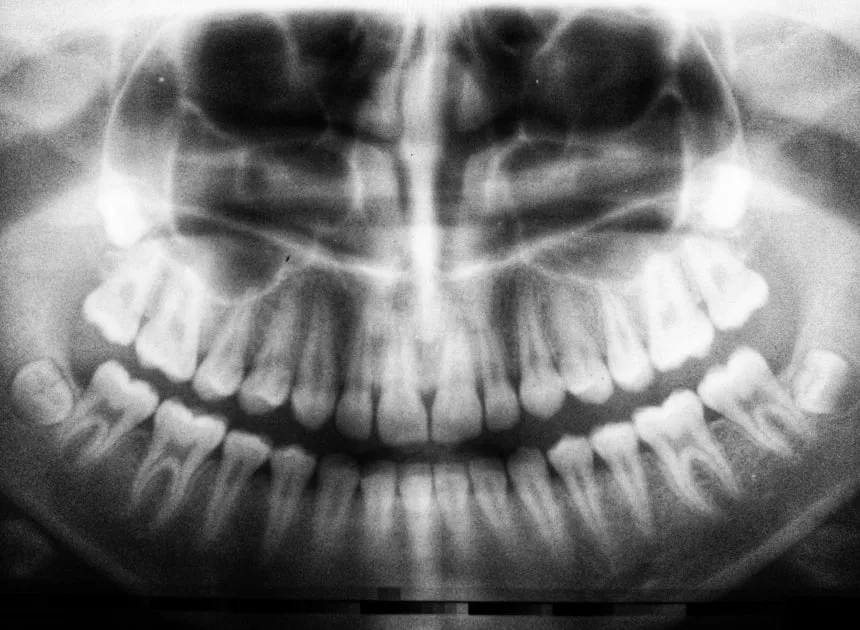
Some patients experience no symptoms at all, yet X-rays reveal impaction that will cause problems down the road. Regular checkups with panoramic imaging let us catch issues early, when treatment is simpler and recovery is faster.
The Procedure: Simple vs. Surgical Extraction
Wisdom teeth removal in Huntington Beach at our office falls into two categories depending on the position of the tooth.
Simple extraction applies when the tooth has fully erupted through the gumline. I loosen the tooth with a specialized instrument, then remove it with forceps. The process is straightforward and typically takes just a few minutes per tooth.
Surgical extraction is necessary when the tooth is partially or fully impacted beneath the gum tissue or bone. I make a small incision in the gum, and in some cases remove a thin layer of bone covering the tooth. The tooth may be sectioned into smaller pieces for easier removal. Though this sounds involved, the procedure is routine and usually takes 30 to 60 minutes for all four teeth. The area is thoroughly cleaned and closed with dissolvable stitches when needed.
Anesthesia and Comfort Options
No one should feel pain during wisdom teeth removal. Here is how we keep you comfortable:
- Local anesthesia numbs the surgical area completely. You remain fully awake but feel only pressure, not pain. This is the part that actually blocks pain, so we do not rush it — we confirm the area is fully numb before starting, and add more if you feel anything sharp.
- Sedation is not something our office provides. For deeply impacted teeth or cases where sedation is the right call, we refer you to an oral surgeon whose office offers it.
If dental work makes you anxious, read our guide on staying comfortable without sedation and our advice for dental anxiety. Tell us before your appointment — it changes how we plan the visit.

Recovery Timeline: Day by Day
Understanding what to expect after surgery removes the guesswork and helps you heal faster.
Day 1 (day of surgery). Keep gauze on the extraction sites with gentle biting pressure for 30 to 45 minutes to control bleeding. Rest with your head elevated. Apply ice to the outside of your cheek — 20 minutes on, 20 minutes off. Mild oozing is normal. Avoid spitting, using a straw, or rinsing, as these can dislodge the blood clot forming in the socket.
Day 2. Swelling increases — this is completely expected. Continue icing. You may take over-the-counter pain relievers or the prescription medication we provide. Start gentle saltwater rinses (half a teaspoon of salt in eight ounces of warm water) after meals.
Day 3. Swelling typically peaks. Most patients feel the worst today, but it marks the turning point. Bruising along the jawline may appear — this is harmless and fades on its own.
Days 4 to 5. Noticeable improvement. Swelling recedes, pain decreases significantly, and you begin to feel more like yourself. Most patients return to work or school.
Days 6 to 7. Most discomfort is gone. You may still have mild soreness when opening wide or chewing firm foods.
Weeks 2 to 3. The gum tissue closes over the extraction site. You can gradually return to your normal diet.
Weeks 4 to 6. Full bone and soft tissue healing beneath the surface. For a more detailed breakdown of the healing process, see our complete tooth extraction recovery guide.
What to Eat After Wisdom Teeth Removal
Stick to soft, cool, and nutrient-rich foods for the first several days:
- Yogurt, applesauce, and smoothies (no straw)
- Mashed potatoes, mashed sweet potatoes, and pureed soups
- Scrambled eggs and oatmeal (lukewarm, not hot)
- Protein shakes and bone broth
- Avocado, hummus, and soft bananas
Avoid crunchy, spicy, acidic, or very hot foods for at least a week. Small seeds and grains like rice can lodge in the sockets, so steer clear of those early on as well.
Dry Socket: What It Is and How to Prevent It
Dry socket occurs when the blood clot in the extraction site becomes dislodged or dissolves too early, exposing the underlying bone and nerves. It causes a sharp, radiating pain that typically starts two to four days after surgery.
To minimize your risk:
- Do not smoke or use any tobacco products for at least 72 hours — ideally longer
- Avoid drinking through a straw for the first week
- Do not spit forcefully
- Follow all post-operative rinsing instructions carefully
- Take it easy physically for the first few days — elevated heart rate increases bleeding risk
If you do develop dry socket, call our office. Treatment is simple: we place a medicated dressing in the socket that relieves pain almost immediately.
Cost and Insurance Coverage
The cost of wisdom teeth removal in Huntington Beach depends on the complexity of the extraction and the type of anesthesia used. Simple extractions cost less than surgical extractions of fully impacted teeth.
Most dental insurance plans cover a significant portion of wisdom teeth removal when the procedure is deemed medically necessary — which it usually is when there is documented impaction, infection, or damage to adjacent teeth. Our front office team verifies your benefits before your appointment so there are no surprises, and we offer payment plans to make treatment accessible.
For help understanding what your plan covers, take a look at our dental insurance guide.
Not Everyone Needs Their Wisdom Teeth Removed
I want to be straightforward: if your wisdom teeth have fully erupted, are properly aligned, are healthy, and are not causing problems for neighboring teeth, there may be no reason to remove them. During your evaluation, I review panoramic X-rays, assess the position of each tooth, check for cysts or decay, and examine the health of adjacent teeth and gums. If removal is not necessary, I will tell you — and we will monitor them at future visits.
The key is evaluation. Without imaging, there is no way to know what is happening beneath the surface.
Schedule Your Wisdom Teeth Evaluation
If you are experiencing any of the symptoms described above, or if you are between 17 and 25 and have never had your wisdom teeth evaluated, now is the right time. Early assessment means we can plan the procedure on your schedule, under optimal conditions, with the smoothest possible recovery.
Call HB Dentist today at (714) 536-2571 or request an appointment online to schedule your consultation. After more than four decades serving Huntington Beach families, our priority has not changed — we want you comfortable, informed, and confident in your care.
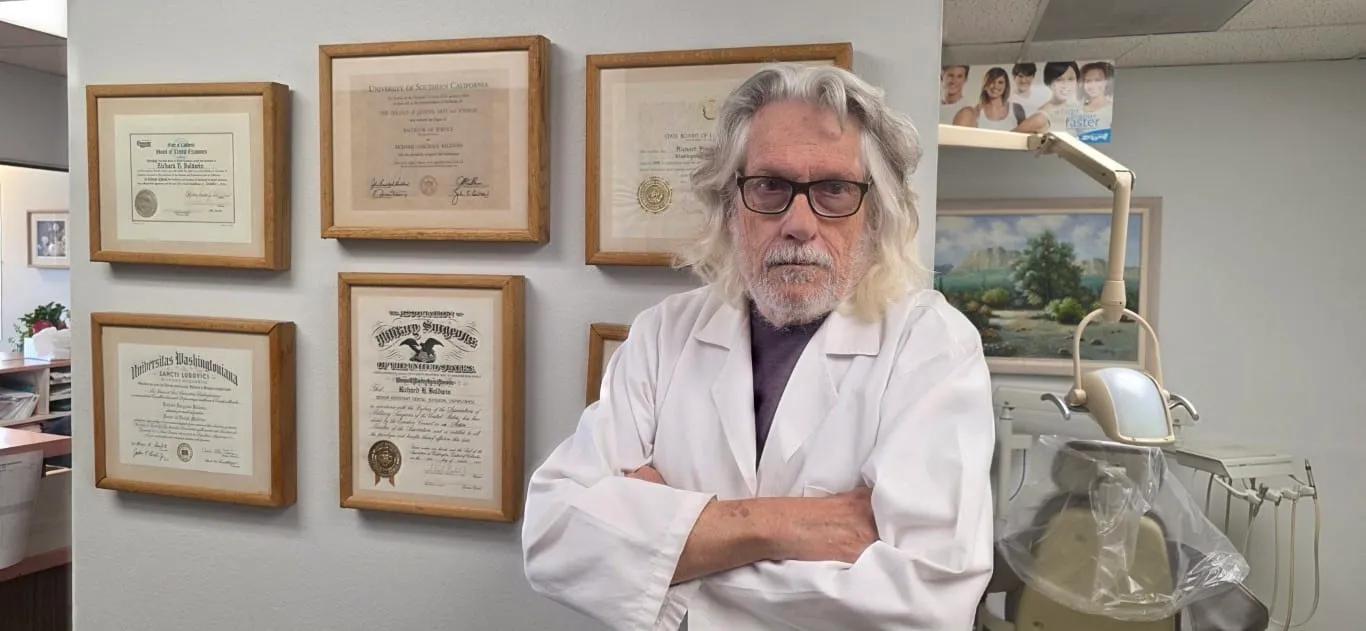
Written and clinically reviewed by Dr. Richard Baldwin, DMD General & cosmetic dentist in Huntington Beach since 1979 · Washington University School of Dental Medicine · Updated
Sources & further reading
- Extractions — American Dental Association · MouthHealthy
- Wisdom teeth — American Dental Association · MouthHealthy
- Dry socket — American Dental Association · MouthHealthy
This guide is general dental information from a practicing dentist, not a diagnosis. Treatment recommendations and costs are confirmed at an in-person exam.