Jump to a section
- Why Dental Benefits Expire on December 31
- How Much Are You Leaving on the Table?
- Treatments to Prioritize Before Year-End
- FSA and HSA Deadlines: Know the Difference
- How to Check Your Remaining Benefits
- A Smart Scheduling Strategy for December
- What If You Do Not Have Dental Insurance?
- The Real Cost of Waiting
- Take Action Before December 31
Every January, I watch it happen again. Patients walk into our Huntington Beach office in the new year and realize they left hundreds — sometimes over a thousand dollars — of dental benefits unused the year before. After decades of practicing dentistry, Dr. Richard Baldwin, DMD finds this remains one of the most frustrating patterns to see, because it is entirely preventable.
If you have dental insurance, a flexible spending account, or a health savings account, December is your last chance to put those dollars to work. Here is everything you need to know about maximizing your year-end dental benefits so you do not leave money on the table.
Why Dental Benefits Expire on December 31
Most dental insurance plans operate on a calendar year. Your plan comes with an annual maximum — the total amount your insurer will pay toward your dental care in a given year. For most PPO plans, that number falls between $1,000 and $2,000. Once the clock strikes midnight on December 31, that annual maximum resets to zero. Any portion you did not use is gone permanently. It does not carry over, and you cannot bank it for later.
According to the National Association of Dental Plans, the average American uses only a fraction of their available dental benefits each year. Your premium payments do not change whether you use your benefits or not. The question is whether you are going to get your money’s worth.

How Much Are You Leaving on the Table?
Let me put this in concrete terms. If your plan has a $1,500 annual maximum and you have only used $300 for two preventive cleanings, you have $1,200 in remaining benefits. If that $1,200 goes unused, it disappears on January 1.
Now consider what $1,200 could cover:
- A dental crown that you have been putting off
- The first phase of dental implant treatment
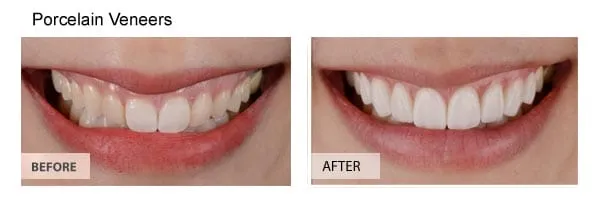
- A set of porcelain veneers for a front tooth
- Deep cleaning treatment for early gum disease
- Fillings for cavities that have been waiting
The treatments you need do not become less necessary just because the calendar changes. But the money available to help pay for them does vanish.
Treatments to Prioritize Before Year-End
If you have remaining benefits, here are the treatments I recommend patients consider scheduling before December 31, listed in order of urgency.
Preventive Cleanings and Exams
If you have not used both of your covered cleanings this year, this should be your first call. Most plans cover two preventive visits per year at 100 percent. Skipping even one means you are giving up several hundred dollars in free care. Preventive visits also catch small problems before they become expensive ones. For more details on coverage tiers, see our dental insurance guide for 2026.
Crowns and Bridges
If your dentist has recommended a crown and you have been postponing it, December is the time to act. Crowns typically fall under major services at 50 percent coverage. On a crown costing $1,200, your plan would cover $600. Waiting until January means your deductible resets too, adding another $50 to $150 to your out-of-pocket cost before coverage kicks in.
Dental Implants
Implant treatment often spans multiple appointments and can be split across two calendar years to maximize benefits in both years. If you start the process in December, the surgical placement may be covered under this year’s maximum, and the crown restoration can be applied to next year’s benefits. Learn more about what implants cost in our detailed guide on dental implants cost in Huntington Beach.
Orthodontic Treatment
If you or your child has been considering Invisalign or braces, starting treatment before December 31 allows you to apply this year’s orthodontic benefit toward the initial costs. Many plans have a separate lifetime orthodontic maximum, and beginning treatment this year gets the clock started.
Fillings, Root Canals, and Extractions
Basic and major restorative work should not wait if your dentist has identified a problem. Cavities grow larger over time, and a small filling today can prevent a root canal or extraction next year. Using your remaining benefits to address known issues is one of the smartest financial moves you can make.

FSA and HSA Deadlines: Know the Difference
Beyond dental insurance, many patients have money sitting in flexible spending accounts or health savings accounts that can be used for dental care. The rules are different for each, and understanding the distinction is critical at year-end.
Flexible Spending Accounts (FSA)
FSA funds follow a strict use-it-or-lose-it rule. Most FSA plans require you to spend your balance by December 31, though some employers offer a grace period of up to two and a half months into the following year, or allow a small rollover amount (typically up to $640). Check with your employer or benefits administrator to confirm your specific deadline.
Dental treatments that qualify for FSA spending include cleanings, fillings, crowns, implants, orthodontics, dentures, night guards, and even some over-the-counter dental products. If you have FSA dollars remaining, dental care is one of the most practical ways to use them.
Health Savings Accounts (HSA)
HSA funds are more flexible. They roll over from year to year and never expire. If you have an HSA, there is no urgency to spend the money before December 31. However, if you need dental work anyway, using HSA funds to pay your share of treatment costs is a tax-advantaged way to cover out-of-pocket expenses.
How to Check Your Remaining Benefits
You do not need to guess how much coverage you have left. Here are three ways to find out quickly.
Call your insurance company. The number is on the back of your insurance card. Ask for your remaining annual maximum, your deductible status, and any waiting periods that may apply to specific procedures.
Log in to your insurance portal. Most major dental insurers — Delta Dental, MetLife, Cigna, Guardian, and others — offer online portals where you can view claims history, remaining benefits, and plan details.
Ask our office. When you call HB Dentist to schedule, our team can verify your benefits and give you a clear picture of what is available and what your estimated out-of-pocket cost will be for any recommended treatment. You can also review ways to pay & maximize your benefits before you call.
A Smart Scheduling Strategy for December
December is the busiest month in dentistry for a reason. Every patient with unused benefits is trying to get in before the deadline. Here is how to approach it strategically.
Call now, not later. The earlier you schedule, the more appointment options you will have. Waiting until the last week of December often means limited availability or no openings at all.
Prioritize the most expensive treatment. If you have multiple treatments recommended, use your remaining benefits on the procedure with the highest cost first. Smaller treatments can be scheduled in January when your new annual maximum is available.
Consider splitting treatment across two years. For extensive treatment plans, your dentist can help you sequence procedures so that some fall under this year’s maximum and the rest are covered by next year’s. This is especially effective for implant cases, orthodontics, and patients who need multiple crowns.
Combine insurance with FSA or HSA. Your dental insurance covers a percentage of the cost. You can use FSA or HSA dollars to pay your remaining share, reducing your true out-of-pocket expense to nearly zero in some cases.
What If You Do Not Have Dental Insurance?
If you do not have dental insurance, year-end is still a smart time to invest in your oral health. Many dental offices, including ours, offer year-end promotions and payment plans that make treatment more accessible. Visit our specials page to see what is currently available.
Additionally, dental expenses are potentially tax-deductible if your total medical costs exceed 7.5 percent of your adjusted gross income. Scheduling treatment in December allows you to include those costs on your current tax return.
The Real Cost of Waiting
Postponing dental treatment does not save money. It costs more. A small cavity that could be filled for $200 today may require a $1,200 crown in six months or a $2,000 root canal and crown in a year. Gum disease that could be treated with a $400 deep cleaning now may eventually require $5,000 or more in surgical intervention.
When you combine the financial cost of delayed treatment with the dental benefits you are already paying for and not using, the case for scheduling before year-end is overwhelming.
Take Action Before December 31
I have been helping patients in Huntington Beach make the most of their dental benefits for decades, and my advice every December is the same: do not let your hard-earned benefits go to waste.
Call HB Dentist today at (714) 536-2571 or request an appointment online. Our team will verify your remaining benefits, review any recommended treatment, and help you build a plan that puts every available dollar to work before the year-end deadline.
And while you are planning ahead for December, do not forget to protect your teeth during all the holiday festivities — our holiday dental tips will help you enjoy the season without compromising your smile.
Your benefits are waiting. The only thing they cannot do is wait for you past December 31.
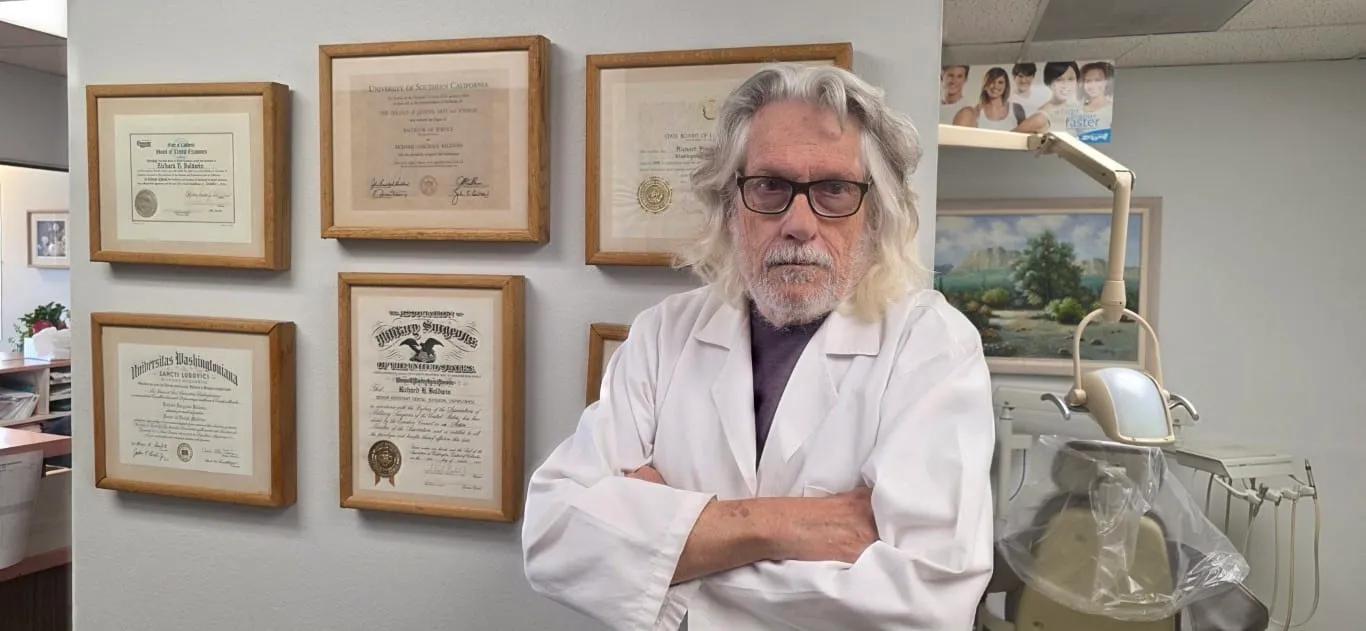
Written and clinically reviewed by Dr. Richard Baldwin, DMD General & cosmetic dentist in Huntington Beach since 1979 · Washington University School of Dental Medicine · Updated