Jump to a section
Dental insurance can feel like a maze of percentages, waiting periods, and fine print. After decades of practicing dentistry here in Huntington Beach, I have walked thousands of patients through their benefits — and the single biggest mistake I see is people leaving money on the table simply because they do not understand how their plan works.
This dental insurance guide for 2026 breaks everything down in plain language so you can make confident decisions about your oral health and your wallet.
How Dental Insurance Actually Works
Unlike medical insurance, dental insurance is not designed to cover catastrophic costs. Think of it more like a maintenance plan: it rewards you for keeping up with preventive care and shares the cost of treatment when problems arise.
Here are the key terms you need to know:
- Monthly premium — The amount you (or your employer) pay each month to keep coverage active. Premiums for individual dental plans in 2026 typically range from $25 to $60 per month.
- Deductible — The amount you pay out of pocket before your insurance starts covering treatment. Most plans set this between $50 and $150 per year. Preventive care is usually exempt from the deductible.
- Annual maximum — The most your plan will pay in a single calendar year, usually between $1,000 and $2,000. Once you hit that ceiling, you are responsible for 100 percent of any remaining costs until January 1.
- Coinsurance — The percentage split between you and your insurer. For example, if your plan covers a filling at 80 percent, you pay the remaining 20 percent.
- Waiting period — Some plans require you to hold coverage for 6 to 12 months before major procedures are eligible. Always check this when enrolling in a new plan.
Understanding these five terms puts you ahead of the majority of patients who walk into our office unsure of what their plan actually covers.

The Three Coverage Tiers
Almost every dental plan in 2026 organizes treatment into three tiers, each with a different coinsurance rate. The exact percentages can vary by plan, but here is what a typical PPO plan looks like:
| Coverage Tier | What Is Included | Typical Plan Pays | You Pay |
|---|---|---|---|
| Preventive | Exams, cleanings (2 per year), bitewing X-rays, fluoride for children | 100% | 0% |
| Basic | Fillings, simple extractions, periodontal scaling, emergency exams | 80% | 20% |
| Major | Crowns, bridges, root canals, dentures, oral surgery, dental implants | 50% | 50% |
A few things to notice about this table. Preventive care is almost always covered at 100 percent with no deductible. That means your two annual cleanings and exams cost you nothing beyond your premium. This alone makes dental insurance worthwhile for most people — and it is the strongest reason to visit the dentist on schedule rather than waiting until something hurts.
Basic procedures like fillings fall in the middle at around 80 percent coverage. If you need a composite filling that costs $250, your plan pays $200 and you pay $50. That is manageable for most families.
Major procedures are where costs add up. A crown might run $1,200, and at 50 percent coverage you are responsible for $600. A full set of implants can cost significantly more, which is why understanding your annual maximum is so important — one major procedure can eat through it quickly.
PPO vs. HMO vs. DHMO: Which Plan Type Is Best?
Not all dental plans are structured the same way. The three most common types in 2026 are PPO, HMO, and DHMO. Each has trade-offs.
PPO (Preferred Provider Organization)
PPO plans are the most popular and the most flexible. You can see any dentist, but you pay less when you visit an in-network provider. There is no referral requirement for specialists, and you have the freedom to choose your own care team.
Best for: Patients who want flexibility and are willing to pay a slightly higher premium for it.
HMO (Health Maintenance Organization)
HMO dental plans assign you to a specific primary dentist. You must see that dentist for all care, and you need a referral to visit a specialist. Premiums are lower, but your choices are limited.
Best for: Patients on a tight budget who are comfortable with an assigned provider.
DHMO (Dental Health Maintenance Organization)
DHMO plans work similarly to HMOs but use a fixed fee schedule instead of coinsurance percentages. You pay a set copay for each procedure — for example, $10 for a filling or $150 for a crown — regardless of the actual cost. There is no annual maximum, which can be an advantage for patients who need extensive work.
Best for: Patients planning major treatment who want predictable costs.
At HB Dentist, we work with most major PPO plans. If you are choosing a plan during open enrollment, a PPO generally gives you the best combination of coverage and freedom to pick a dentist you trust.
Seven Tips to Maximize Your Benefits Before Year-End
Dental benefits reset on January 1. Any unused portion of your annual maximum does not roll over — it simply disappears. Here is how to make sure you are getting the full value of your plan every year.
1. Schedule Both Preventive Visits
Your plan covers two cleanings and exams per year at 100 percent. Skipping even one means you are giving up several hundred dollars in free care. Book your visits six months apart so you stay on track.
2. Know Your Annual Maximum
Check your remaining balance in the fall. If you have $800 left and need a crown, scheduling it before December 31 means your plan covers its share. Wait until January and you start from zero again.
3. Stay In-Network
In-network dentists have negotiated rates with your insurer, which means lower out-of-pocket costs for you. Going out of network can increase your share by 20 to 40 percent on every procedure.
4. Split Large Treatment Plans Across Calendar Years
If you need two crowns, consider getting one in November and one in January. Each procedure draws from a separate annual maximum, cutting your total out-of-pocket cost nearly in half.
5. Use Your FSA or HSA
Flexible Spending Accounts and Health Savings Accounts let you pay dental costs with pre-tax dollars. If your employer offers an FSA, remember that most FSA funds expire at year-end. Plan your dental work accordingly.
6. Do Not Ignore the Waiting Period
If you enrolled in a new plan this year, verify whether major procedures are subject to a waiting period. Scheduling a crown during a waiting period means your plan pays nothing — and you get stuck with the full bill.
7. Ask Your Dental Office for a Pre-Treatment Estimate
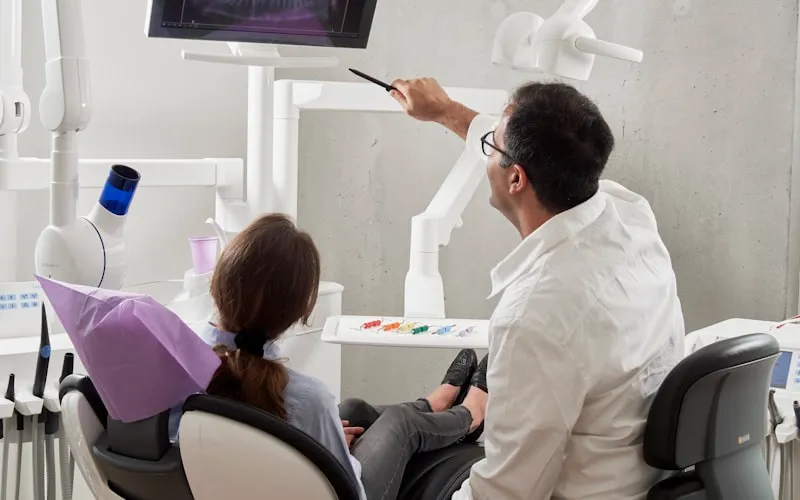
Before any procedure beyond a cleaning, ask your dentist to submit a pre-authorization to your insurance company. This gives you a written estimate of what your plan will cover so there are no surprises. Our team at HB Dentist does this routinely for every patient.
What to Do If You Do Not Have Dental Insurance
Roughly 74 million Americans have no dental coverage at all. If that includes you, skipping the dentist entirely is the worst option — small problems become expensive emergencies when they are ignored.
Here are practical alternatives:
In-Office Discount Programs
Many dental practices, including ours, offer membership or discount plans for uninsured patients. These typically involve a flat annual fee that covers preventive visits and provides a percentage discount on all other treatment. Check out our specials page for current offers available to patients without insurance.
Payment Plans and Financing
Spreading the cost of treatment over several months makes dental care accessible even without insurance. At HB Dentist, we offer flexible payment plans so that cost is never the reason you delay treatment you need.
Dental Schools
If you live near a dental school, supervised student clinics can provide quality care at significantly reduced fees. Treatment takes longer, but the savings can be substantial for major procedures.
Prioritize Preventive Care
Even without insurance, two cleanings and an annual exam are the most cost-effective investment you can make in your oral health. Catching a small cavity early costs a fraction of what a root canal and crown cost later. Prevention is always cheaper than repair.
Common Dental Insurance Mistakes to Avoid
Across decades of practice, I have seen the same insurance mistakes create avoidable costs. Here are the ones that come up most often.
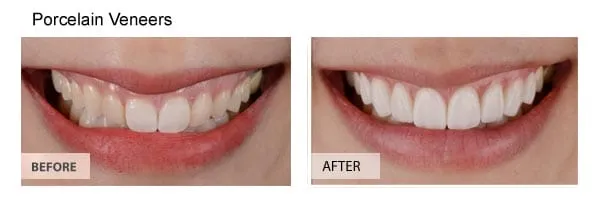
Assuming everything is covered. Cosmetic procedures like teeth whitening and veneers are almost never covered by dental insurance. Orthodontics for adults may have limited or no coverage depending on your plan. Always verify before scheduling.
Waiting until you are in pain. Insurance is designed to reward prevention, not rescue you in an emergency. A patient who skips cleanings for three years and then needs three crowns will pay far more out of pocket than someone who came in every six months.
Forgetting to verify your plan each year. Employers change carriers. Networks shift. A dentist who was in-network last year may not be this year. Verify your benefits at the start of every calendar year.
Not understanding out-of-network reimbursement. If you see an out-of-network dentist, your plan reimburses based on what it considers the “usual and customary” fee — not what your dentist actually charges. The difference comes out of your pocket.
Letting benefits expire in December. This is the most common and most preventable mistake. If you have unused benefits and any outstanding treatment needs, schedule before the year ends. For a complete strategy on making the most of the final weeks of the year, read our guide on maximizing your year-end dental benefits. There is no prize for leaving money with your insurance company.
Let Our Team Help You Understand Your Coverage
Dental insurance does not have to be confusing. At HB Dentist, Dr. Richard Baldwin and our experienced front-office team verify your benefits, submit pre-treatment estimates, and help you plan treatment around your coverage so you get the most from every dollar.
We accept most major PPO dental plans and are happy to check your eligibility before your first visit. You can review the dental insurance plans we accept before you call. If you do not have insurance, ask us about our payment options and current specials for uninsured patients.
Call our Huntington Beach office today or book online to schedule your next appointment. Your benefits are a valuable part of your compensation — make sure you use them.
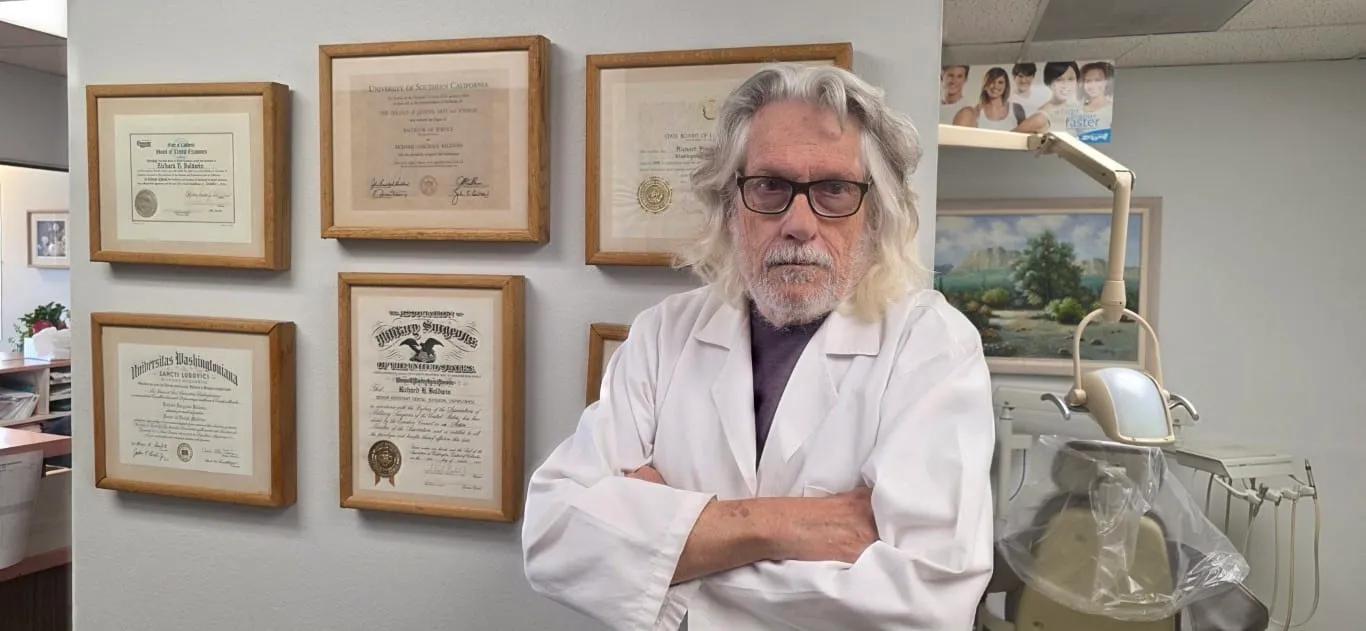
Written and clinically reviewed by Dr. Richard Baldwin, DMD General & cosmetic dentist in Huntington Beach since 1979 · Washington University School of Dental Medicine · Updated