Jump to a section
One of the most common questions patients ask me is, “How often should you go to the dentist?” I am Dr. Richard Baldwin, DMD, and after decades of practicing dentistry here in Huntington Beach, I can tell you the answer is not exactly the same for everyone. The standard advice — every six months — is a solid starting point, but your individual health, habits, and risk factors play a significant role in determining the right schedule for you.
Below, I will walk you through the general recommendation, explain who may need more frequent visits, describe what happens during a checkup, and cover the real consequences of putting off routine care.
The Standard Recommendation: Every Six Months
The American Dental Association (ADA) recommends that most adults and children visit the dentist at regular intervals, and for the majority of patients, that means every six months. This twice-a-year schedule has been the standard of care for decades because it aligns with how quickly plaque and tartar can accumulate, even for diligent brushers and flossers.
During a six-month window, early-stage cavities can form, gum tissue can begin to break down, and minor issues can progress into bigger problems. Twice-yearly visits give your care team the chance to catch these developments before they become painful or expensive.
That said, the ADA emphasizes that visit frequency should be personalized. Some patients with excellent oral health may be fine at once a year. Others need to come in every three to four months. The key is working with your dentist to find the right interval for your situation.
Who Needs More Frequent Dental Visits?
While the every-six-months guideline works well for many people, several groups benefit from a more frequent schedule. If any of the following apply to you, ask your dentist about quarterly visits.
Patients With Gum Disease
Gum disease is one of the most common reasons patients need to visit more frequently. If you have gingivitis or periodontitis, bacteria can repopulate quickly after a professional cleaning. Visits every three to four months help keep bacterial levels in check. If you have already undergone a deep cleaning, your dentist will likely recommend three to four visits per year for at least the first year afterward. Recognizing the early signs of gum disease is critical, because catching it early dramatically improves outcomes.
Patients With Diabetes
Research shows a strong two-way relationship between diabetes and periodontal disease. Elevated blood sugar makes it harder for your body to fight gum infection, and active gum disease can make blood sugar more difficult to control. If you have Type 1 or Type 2 diabetes, more frequent visits allow your care team to monitor your gum health and intervene early.
Smokers and Tobacco Users
Tobacco use — whether cigarettes, cigars, chewing tobacco, or vaping — significantly increases your risk of gum disease, oral cancer, and delayed healing. Smokers accumulate tartar faster and are more prone to deep periodontal pockets. I strongly recommend that patients who use tobacco visit at least every three to four months.
Pregnant Women
Pregnancy causes hormonal changes that make gum tissue more sensitive and susceptible to infection. A condition called pregnancy gingivitis affects a large percentage of expectant mothers. The ADA considers dental care during pregnancy to be both safe and important. More frequent cleanings help protect both the mother and baby, since research has linked severe gum disease to preterm birth and low birth weight.
Orthodontic Patients
Braces, aligners, and other orthodontic appliances create additional surfaces where food and plaque can accumulate. Patients undergoing orthodontic treatment are at higher risk for cavities and gum inflammation. Regular cleanings — separate from orthodontic adjustments — help ensure your teeth and gums stay healthy throughout treatment.
Patients With a History of Cavities
If you tend to develop cavities frequently, more regular visits allow your dentist to catch new decay at its earliest stage. Your dentist can also apply fluoride treatments and sealants more often to provide additional protection.
What Happens During a Dental Checkup?
See our dental cleanings and exams in Huntington Beach page for a step-by-step walkthrough of the visit.
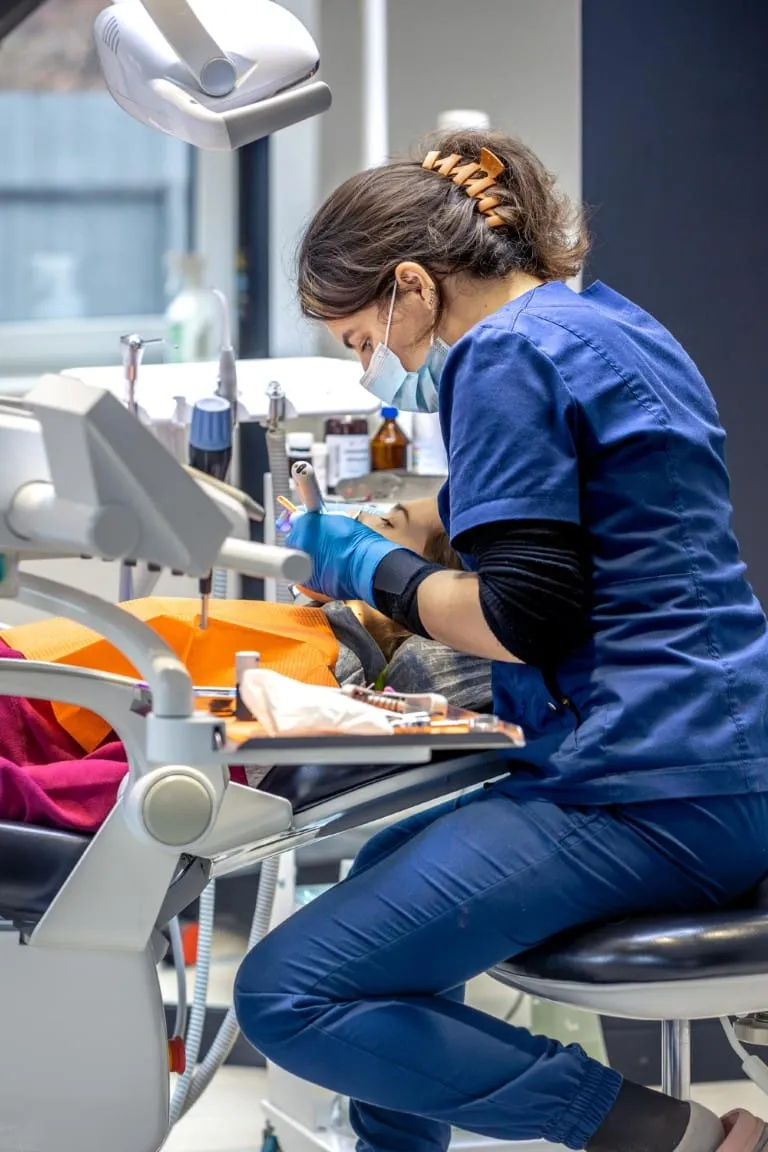
If it has been a while since your last visit, here is what a typical dental checkup involves. Understanding the process can help ease any anxiety and shows why these appointments matter.
Professional Cleaning
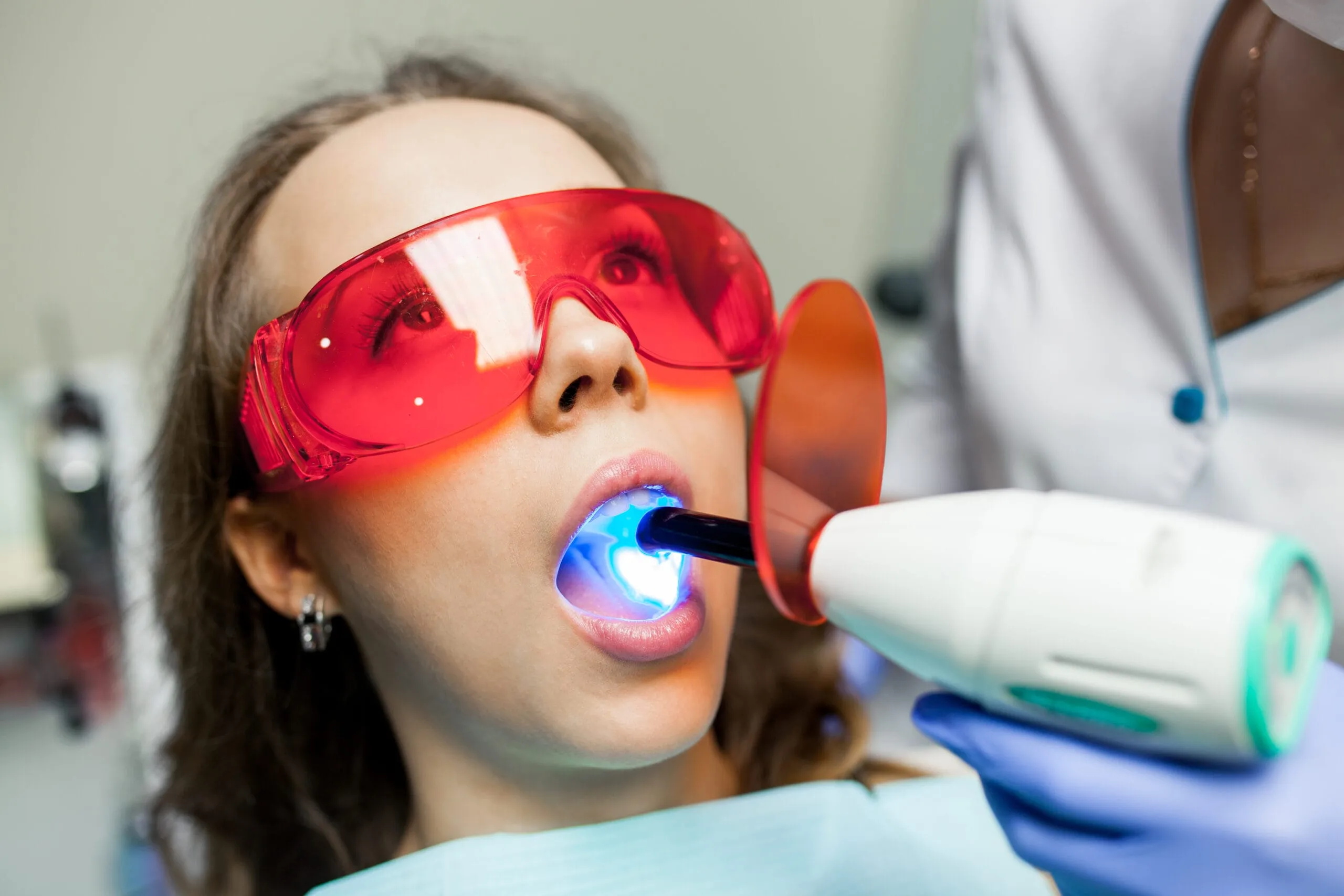
Even if you brush properly twice a day and floss daily, there are areas that are difficult to reach. A dental hygienist uses specialized instruments to remove plaque and hardened tartar from above and below the gumline, helping prevent cavities and gum disease.
Comprehensive Examination
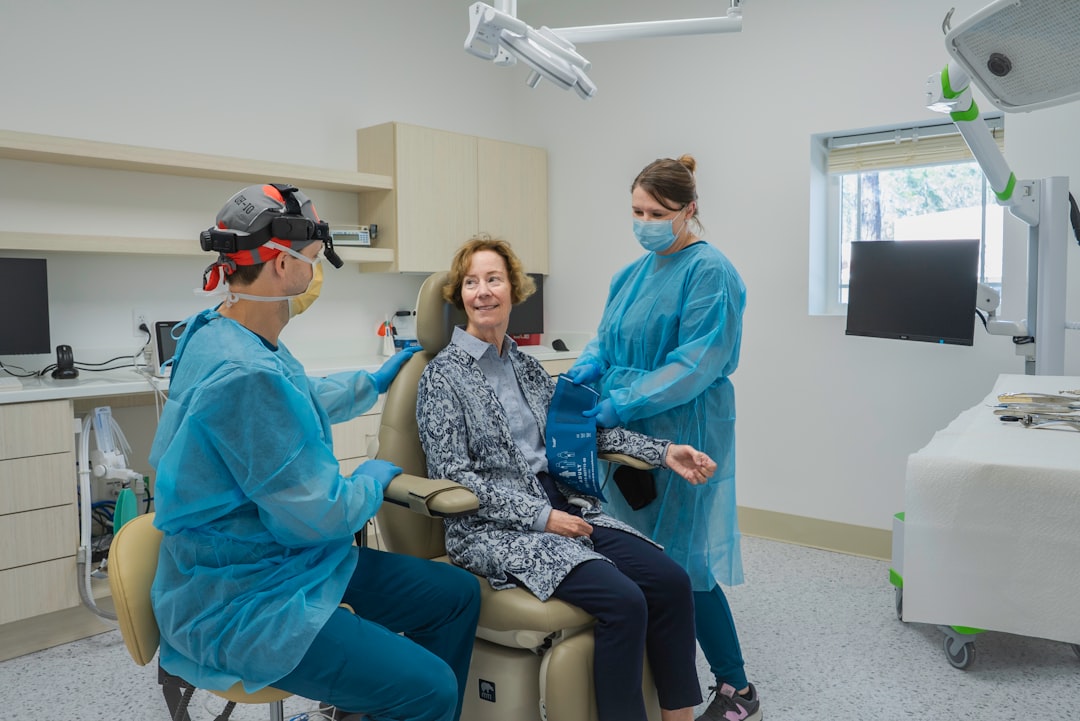
After your cleaning, the dentist performs a thorough examination of your teeth, gums, tongue, cheeks, throat, and jaw. We check for signs of decay, gum disease, oral cancer, TMJ issues, and any changes since your last visit.
Digital X-Rays
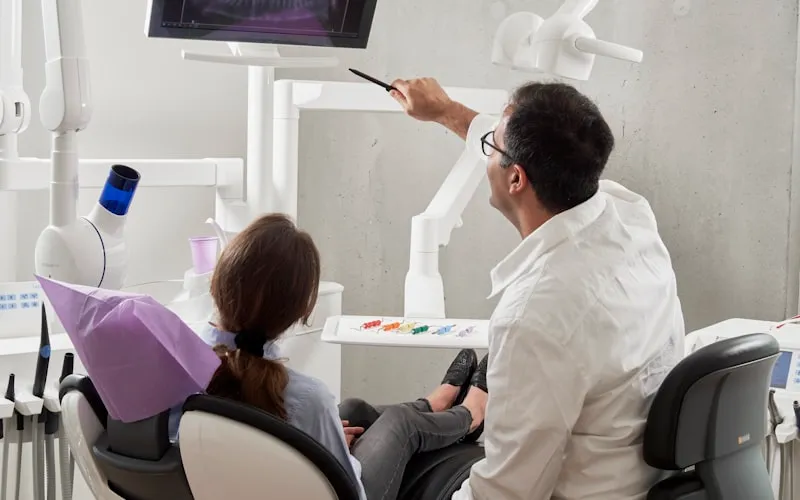
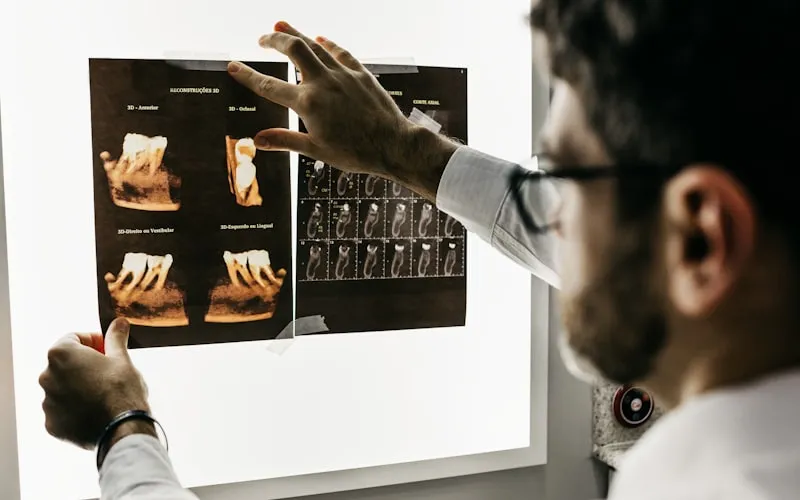
Depending on your history and risk factors, your dentist may take digital X-rays during your visit. X-rays reveal what the eye cannot see: decay between teeth, bone loss beneath the gumline, impacted teeth, and abscesses. Modern digital X-rays use significantly less radiation than traditional film.
Oral Cancer Screening
Every checkup includes a visual and tactile screening for oral cancer. The dentist examines your lips, tongue, cheeks, floor and roof of your mouth, and throat for unusual lumps, sores, or tissue changes. Oral cancer is highly treatable when caught early, making routine screening one of the most important parts of your visit.
Evaluation of Existing Dental Work
Fillings, crowns, bridges, and implants do not last forever. During your checkup, we evaluate existing dental work and identify anything that may need repair or replacement before it fails.
The Real Consequences of Skipping Dental Visits
Dental appointments can feel easy to postpone, especially when nothing hurts. But the absence of pain does not mean the absence of problems. Here is what can happen when routine visits fall off your calendar.
Small Problems Become Big Problems
A tiny cavity that could have been treated with a simple filling can progress into decay that reaches the nerve of the tooth. At that point, you are looking at a root canal, a crown, or possibly an extraction. The difference in cost and discomfort is enormous. Our article on what causes cavities explains exactly how decay progresses and why early detection is so valuable.
Gum Disease Progresses Silently
Periodontal disease is often called a “silent” disease because it can advance significantly before you notice symptoms. By the time you experience bleeding gums, bad breath, or loose teeth, the damage to bone and supporting structures may already be substantial. Regular checkups catch gum disease in its earliest, most treatable stages.
Oral Cancer Goes Undetected
The survival rate for oral cancer detected early is significantly higher than for cancer found at a later stage. Routine dental visits are one of the most reliable ways to catch it early, since your dentist is trained to identify suspicious tissue changes.
Higher Costs Over Time
Preventive care is an investment, not an expense. The cost of two cleanings and exams per year is a fraction of what a single root canal or crown costs. Patients who maintain regular visits consistently spend less on dental care over their lifetime than those who only come in when something goes wrong.
Making Dental Visits Affordable
Cost is one of the biggest reasons people delay dental care, and I understand that concern. Here are practical ways to keep your visits manageable.
If you have dental insurance, most plans cover two preventive visits per year at 100 percent, meaning your cleanings and exams may cost you nothing out of pocket. Understanding what your dental insurance covers is the first step toward making the most of your benefits.
For patients without insurance, many dental offices — including ours — offer in-house membership plans or payment options that make routine care affordable. Do not let the absence of insurance keep you from protecting your health.
Some patients also qualify for more frequent cleanings covered by insurance when there is a documented medical need, such as periodontal disease or diabetes. Your dentist can provide the documentation to support additional covered visits.
Frequently Asked Questions
How often should you go to the dentist?
For most people, every six months is the right schedule. Patients with gum disease, diabetes, tobacco use, pregnancy, orthodontic treatment, or frequent cavities may need visits every three to four months.
Is going twice a year really necessary?
For most patients, yes. Twice-yearly visits help catch problems early, when they are usually easier and less expensive to treat. Some patients may need more frequent visits based on their oral health.
Who needs to see the dentist more than twice a year?
Patients with gum disease, diabetes, tobacco use, pregnancy, orthodontic treatment, or a history of frequent cavities often benefit from visits every three to four months.
What happens during a routine dental checkup?
A routine dental checkup usually includes a professional cleaning, a comprehensive exam, digital X-rays when needed, an oral cancer screening, and an evaluation of existing dental work.
Can I just go to the dentist once a year?
Some patients with excellent oral health may be fine with an annual visit, but the right interval should be set with your dentist based on your health, habits, and risk factors.
Your Oral Health Is Worth the Time
So how often should you go to the dentist? For most people, every six months is the right answer. For patients with gum disease, diabetes, tobacco use, pregnancy, orthodontic treatment, or a history of frequent cavities, every three to four months may be a better fit. The best way to know for sure is to have an honest conversation with your dentist about your needs.
After four decades of caring for patients in Huntington Beach, I have seen firsthand how consistent preventive care transforms outcomes. Patients who keep their regular appointments keep their natural teeth, avoid emergencies, and spend less on dental care over time.
If it has been more than six months since your last visit, take the next step today. Call HB Dentist at (714) 536-2571 or request an appointment online to schedule your checkup. Our team is here to help you build a routine that protects your smile for years to come.
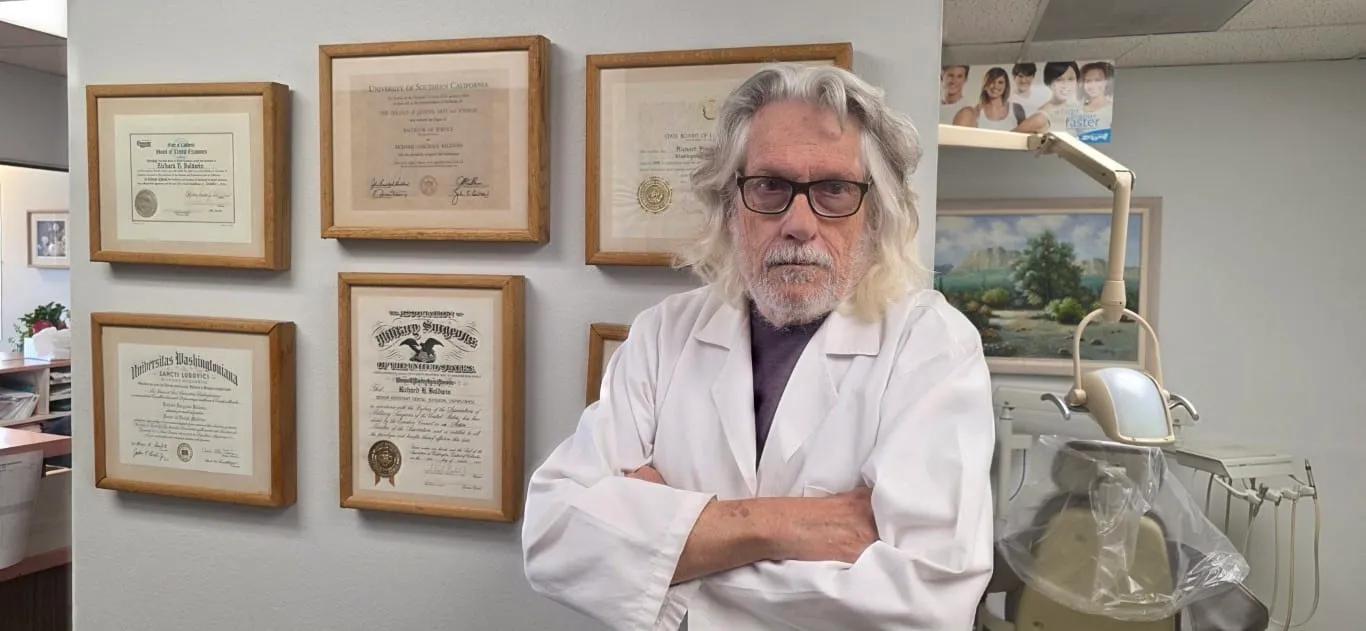
Written and clinically reviewed by Dr. Richard Baldwin, DMD General & cosmetic dentist in Huntington Beach since 1979 · Washington University School of Dental Medicine · Updated
Sources & further reading
- Brushing your teeth — American Dental Association · MouthHealthy
- Flossing — American Dental Association · MouthHealthy
- Dental X-rays — American Dental Association · MouthHealthy
- Tooth decay — National Institute of Dental and Craniofacial Research (NIH)
This guide is general dental information from a practicing dentist, not a diagnosis. Treatment recommendations and costs are confirmed at an in-person exam.