Jump to a section
- You Want Whiter Teeth. Your Enamel Has Other Ideas.
- Why Whitening Causes Sensitivity
- Who Is a Good Candidate Despite Sensitivity?
- Who Should Wait Before Whitening
- Is Whitening Toothpaste Safe If You Have Enamel Erosion?
- In-Office Zoom vs. Take-Home Trays: Which Is Safer for Sensitive Enamel?
- How to Prepare Your Enamel Before Whitening
- What to Expect at HB Dentist
- The Bottom Line
- Frequently Asked Questions
You Want Whiter Teeth. Your Enamel Has Other Ideas.
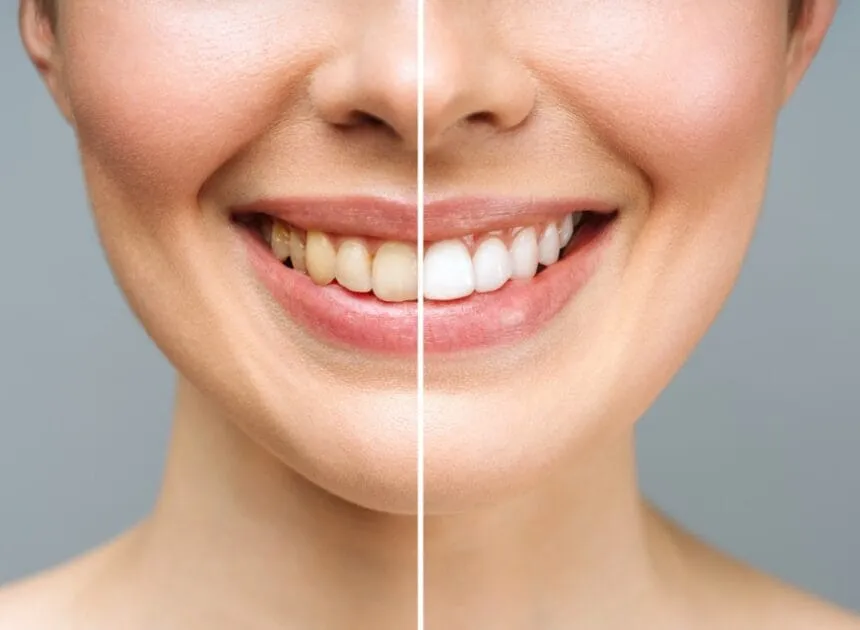
You have been thinking about whitening your teeth. But every time you sip something cold there is that familiar sting — and you wonder whether a whitening treatment would make things worse. It is a question I hear in my Huntington Beach practice regularly, and it deserves a direct, honest answer.
The short version: yes, teeth whitening is safe for many patients with sensitive enamel — but not for all of them, and not without a proper evaluation first. The long version involves understanding why whitening causes sensitivity in the first place, what your enamel’s current condition means for your candidacy, and how we adjust treatment to protect you.
Why Whitening Causes Sensitivity
Whitening agents — whether hydrogen peroxide or carbamide peroxide — work by penetrating the outer enamel layer and breaking apart the molecular chains of stain compounds inside the tooth. That penetration is what makes whitening effective. It is also the reason some patients experience sensitivity.
When peroxide moves through enamel into the underlying dentin, it can stimulate the dentinal tubules — microscopic channels that connect the tooth surface to the nerve. Temporarily irritated tubules create that sharp sensation with hot, cold, or sweet foods. The effect is almost always short-lived, resolving within 24 to 72 hours once treatment ends.
The key variable is enamel thickness. Patients with healthy, full-thickness enamel tend to tolerate whitening well. Patients with enamel thinned by acid erosion have less protective barrier between the peroxide and the dentin, which means a higher likelihood of sensitivity and a longer recovery window. If you are uncertain about the state of your enamel, our in-depth guide on tooth enamel erosion and acid exposure explains the warning signs, common causes, and what to do before pursuing any cosmetic treatment.
Who Is a Good Candidate Despite Sensitivity?
Existing sensitivity does not automatically rule out whitening. Context matters enormously. Here is how I evaluate patients at our Huntington Beach practice.
Mild generalized sensitivity — the kind that bothers you occasionally with cold drinks but does not significantly limit your daily life — is common and manageable. With the right preparation protocol and a conservative whitening approach, most patients in this category achieve meaningful results comfortably.
Sensitivity caused by recent dental work — a new filling, crown, or professional cleaning — is temporary. Wait two to four weeks before whitening, and the baseline will settle.
Sensitivity caused by mild enamel erosion is workable too. We reduce the peroxide concentration, use custom-fitted trays for more precise application, and schedule treatment in shorter sessions to limit total exposure time.
For patients with more significant erosion, the path is different. Before whitening, we typically recommend remineralization therapy — professional fluoride treatments combined with a home fluoride routine — to strengthen remaining enamel before it faces any additional stress.
Who Should Wait Before Whitening
There are situations where I advise patients to address underlying issues first. These include:
- Active, moderate-to-severe enamel erosion — whitening on significantly thinned enamel risks deeper peroxide penetration and more pronounced sensitivity. Stabilizing the enamel first is the safer path.
- Exposed root surfaces from gum recession — roots have no enamel layer. Peroxide on exposed roots is far more likely to cause sharp, prolonged discomfort.
- Untreated cavities or cracked teeth — peroxide entering a cavity or crack can trigger significant pain. All structural issues must be resolved before whitening.
- Active acid reflux (GERD) — if stomach acid is continuously eroding enamel between treatments, whitening will worsen sensitivity. Managing reflux first produces better long-term outcomes.
To understand the clinical signs that reveal how much protective enamel you still have, our article on tooth sensitivity causes and treatment walks through exactly what we look for at each severity level.
Is Whitening Toothpaste Safe If You Have Enamel Erosion?
Whitening toothpaste safety with enamel erosion depends less on the word “whitening” and more on how abrasive the formula is. Most whitening toothpastes brighten teeth by using mild abrasives to scrub away surface stains. Some also include low-level peroxide, but they do not penetrate deeply enough to lift internal stains the way professional whitening can.
On healthy enamel, an ADA-accepted whitening toothpaste used as directed is generally safe. With eroded or thinned enamel, the abrasive action becomes the concern. If dentin is exposed or enamel is already wearing down, a higher-abrasivity paste can accelerate wear and make cold, sweet, or acidic foods feel sharper.
If your enamel is eroding, I would rather see you use a low-abrasivity fluoride or remineralizing toothpaste first, then have the enamel evaluated before chasing a whiter shade. Nutrition and home care matter too; our guide to foods that strengthen tooth enamel explains practical ways to support remineralization between dental visits.
The same caution applies to over-the-counter whitening strips, gels, or teeth whitening mousse. These products do not repair erosion, and they can aggravate sensitive teeth when used without knowing why the enamel is thin. For eroded enamel, supervised options such as professional Zoom whitening in Huntington Beach or custom take-home trays are usually safer than self-treating with store products.
In-Office Zoom vs. Take-Home Trays: Which Is Safer for Sensitive Enamel?
Both options can be used safely with sensitive enamel when properly managed. The difference comes down to speed, intensity, and your personal tolerance.
In-Office Zoom Whitening
In-office Zoom whitening uses a higher-concentration hydrogen peroxide gel with a specialized light. It may brighten natural teeth by up to eight shades in one visit, but results vary. The intensity can mean a higher short-term sensitivity risk than gradual take-home options.
At our Huntington Beach practice, we manage this risk by:
- Completing a thorough enamel and sensitivity evaluation before scheduling
- Using the lowest effective light intensity setting for sensitive patients
- Applying a desensitizing fluoride gel immediately after treatment
- Prescribing a potassium nitrate toothpaste to use for one week before and after
For patients with mild-to-moderate sensitivity who want fast results, Zoom with this modified protocol delivers exceptional whitening with manageable discomfort.
Take-Home Custom Trays
Take-home whitening uses a lower-concentration carbamide peroxide gel worn for one to two hours per day, or overnight for the mildest formulations. The slower release gives enamel and dentin more recovery time between sessions.
This is typically my first recommendation for patients with:
- Noticeable baseline sensitivity
- Documented enamel erosion that has been stabilized but not fully resolved
- A preference for controlling the pace and intensity of treatment
Results take two to four weeks rather than one appointment, but for the right patient, that trade-off is entirely worth it.
How to Prepare Your Enamel Before Whitening
Regardless of which method you choose, these steps taken beforehand reduce sensitivity and improve your outcome.
Start desensitizing toothpaste two weeks early. Products containing potassium nitrate calm the nerve and partially seal exposed tubules before treatment begins. Consistency matters — use the toothpaste twice daily without interruption.
Schedule a remineralization treatment first. If your enamel shows early signs of erosion, a professional fluoride varnish application deposits concentrated fluoride into enamel, fortifying it before any peroxide contact.
Avoid acidic foods for 48 hours before your appointment. Acid temporarily softens enamel, making it more permeable to whitening agents. Steering clear of citrus, soda, and wine in the days prior leaves your enamel in better condition.
Do not whiten immediately after a cleaning. Many patients want to combine these in one visit. I recommend a one-to-two day gap — a cleaning can temporarily increase surface sensitivity, and stacking procedures amplifies it.
What to Expect at HB Dentist
Before any whitening treatment, we start with a complete exam. We review your enamel condition, check for active erosion, assess gum levels and recession, and identify any existing crowns, veneers, or bonding that will not respond to bleaching agents. Restorations do not whiten, and the plan needs to account for matching your new tooth shade to any existing work.
From there, we recommend the approach that fits your clinical picture — Zoom with sensitivity modifications, custom take-home trays, or a staged plan that addresses enamel health first. The goal is always the whitest result your enamel can safely support, not the fastest result achievable.
With decades of cosmetic dentistry experience in Huntington Beach, Dr. Richard Baldwin, DMD has helped patients across Orange County achieve genuinely bright smiles without compromising their comfort — including many who came in convinced their sensitivity made whitening impossible.
The Bottom Line
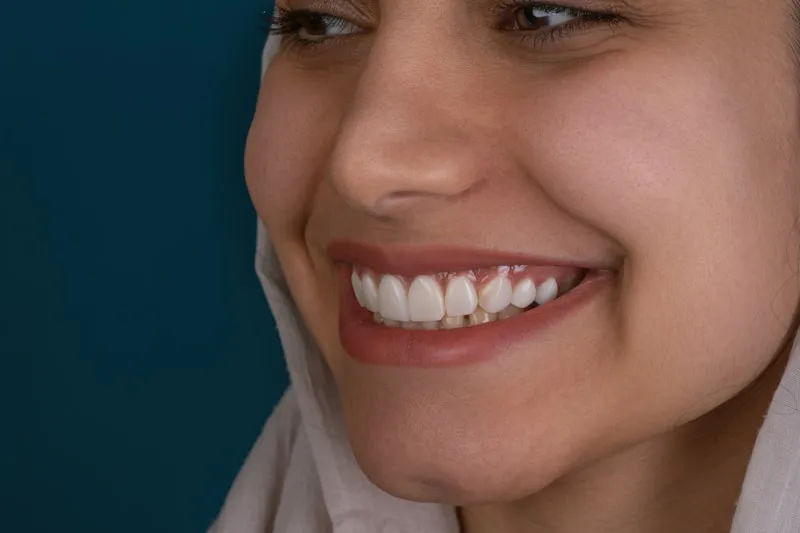
Sensitive enamel is not a permanent barrier to a whiter smile. In most cases, it is a manageable condition that simply requires the right approach, the right preparation, and a dentist who evaluates your actual enamel health rather than applying a one-size-fits-all protocol.
If you have been holding off on whitening because of sensitivity concerns, a consultation will give you a clear, honest answer about where your enamel stands and what is realistically achievable for your specific situation.
Ready to find out if whitening is right for you? Call HB Dentist at (714) 536-2571 or book a consultation online. Our Huntington Beach office offers flexible scheduling for working patients and same-day emergency appointments.
Frequently Asked Questions
Can I whiten my teeth if I have enamel erosion?
Yes, in many cases — but it requires a careful evaluation first. Mild enamel erosion does not automatically disqualify you from whitening. However, teeth with significant erosion, active sensitivity, or exposed dentin require a modified approach. Dr. Baldwin will assess your enamel health before recommending any whitening treatment to ensure your comfort and safety.
How long does sensitivity last after teeth whitening?
Temporary sensitivity after whitening typically resolves within 24 to 72 hours. Using a desensitizing toothpaste for one to two weeks before treatment and taking breaks between whitening sessions can significantly reduce discomfort. If sensitivity persists beyond a week after treatment, contact your dentist.
Is Zoom whitening safe for sensitive teeth?
Zoom whitening can be safely performed on many patients with mild sensitivity. The protocol at our Huntington Beach practice includes a pre-treatment sensitivity assessment, the option to use a lower-intensity light setting, and application of a post-treatment fluoride gel. We can also prescribe a desensitizing toothpaste regimen to start before your appointment.
What is the gentlest teeth whitening option for sensitive enamel?
Take-home whitening with custom trays and a lower-concentration gel (10–16% carbamide peroxide) is generally the gentlest option. Whitening is applied for shorter periods and the lower peroxide concentration produces less sensitivity than in-office treatments. The trade-off is slower results — typically two to four weeks rather than a single appointment.
Is whitening toothpaste safe if I have enamel erosion?
Whitening toothpastes work largely through abrasion, which can speed up wear and increase sensitivity when enamel is already eroded or dentin is exposed. They also cannot correct erosion. If you have enamel erosion, a low-abrasivity fluoride toothpaste and a professional evaluation are the safer route before any whitening. Dr. Baldwin can assess your enamel and recommend a method that will not compromise it.
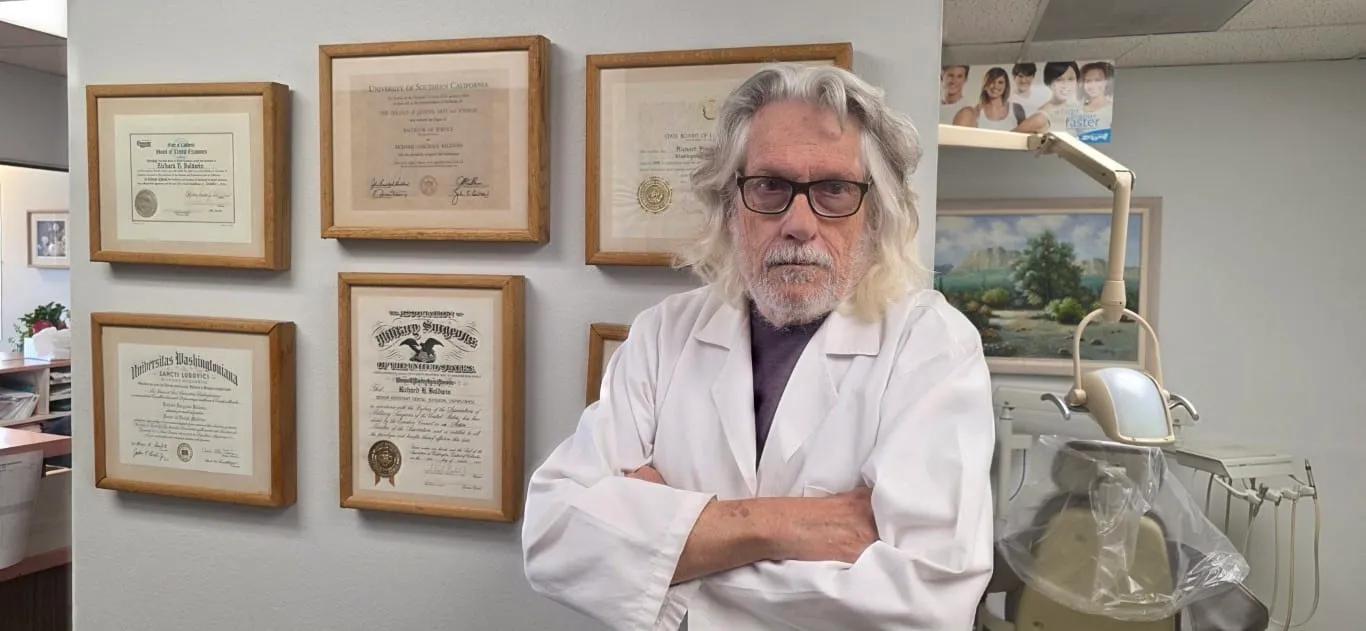
Written and clinically reviewed by Dr. Richard Baldwin, DMD General & cosmetic dentist in Huntington Beach since 1979 · Washington University School of Dental Medicine · Updated
Sources & further reading
- Whitening: what patients should know — American Dental Association
- Sensitive teeth — American Dental Association · MouthHealthy
This guide is general dental information from a practicing dentist, not a diagnosis. Treatment recommendations and costs are confirmed at an in-person exam.