Jump to a section
That Sharp Sting When You Bite Into Ice Cream
You take a sip of cold water or bite into a scoop of ice cream, and suddenly a sharp, electric jolt shoots through one or more teeth. It lasts only a few seconds, but it stops you in your tracks. If this sounds familiar, you are dealing with tooth sensitivity — and you are far from alone.
The American Dental Association estimates that approximately one in eight adults in the United States experiences tooth sensitivity. In my decades of practicing dentistry here in Huntington Beach, it is one of the most common complaints patients bring up, often casually, at the end of a checkup: “Oh, by the way, my teeth have been bothering me with cold drinks lately.”
That “by the way” deserves more attention than most people give it. Tooth sensitivity is your body sending a signal that something has changed in the protective structure of your teeth. Sometimes the cause is minor and easily managed. Other times it points to a problem that needs professional treatment before it gets worse.
This guide explains exactly what causes tooth sensitivity, what triggers it, how we treat it at every level of severity, and what you can do at home to find relief.

What Causes Tooth Sensitivity?
To understand sensitivity, you need to understand how your tooth is built. The visible part of your tooth is covered by enamel — the hardest substance in the human body. Beneath the enamel lies dentin, a softer, porous layer containing thousands of microscopic tubes (called dentinal tubules) that lead directly to the nerve at the center of the tooth. When enamel wears away or gums recede, those tubules become exposed, allowing hot, cold, sweet, or acidic substances to reach the nerve and trigger pain.
Here are the most common reasons that protective barrier breaks down.
Enamel Erosion
Acidic foods and drinks — citrus fruits, soda, wine, sports drinks, and even some healthy foods like tomatoes and vinegar-based dressings — gradually dissolve enamel over time. Aggressive brushing with a hard-bristled toothbrush accelerates the process. Once enamel is gone, it does not grow back. Our in-depth guide on tooth enamel and everyday acid erosion covers this topic in detail.
Gum Recession
When gum tissue pulls away from the tooth, the root surface becomes exposed. Unlike the crown of the tooth, roots are not covered by enamel. They are protected only by a thin layer of cementum, which wears away quickly, leaving dentin exposed. Gum recession can result from periodontal disease, aggressive brushing, teeth grinding, or simply aging.
Cavities and Tooth Decay
A cavity that has penetrated through the enamel into the dentin layer creates a direct pathway for temperature and chemical stimuli to reach the nerve. Sensitivity that is localized to one specific tooth and worsening over time is often a cavity.
Cracked or Chipped Teeth
Cracks in a tooth can extend from the surface down into the dentin or even the pulp. Every time you bite down, the crack flexes slightly, irritating the nerve. Cracked tooth syndrome can be difficult to diagnose because the crack may be too small to see on an X-ray, but the sharp, intermittent pain it causes is distinctive.
Teeth Grinding (Bruxism)
Chronic grinding or clenching wears down enamel over time, especially on the biting surfaces of back teeth. Many patients grind in their sleep without realizing it. If you wake up with a sore jaw, headaches, or notice your teeth are getting shorter or flatter, bruxism may be the cause of your sensitivity.
Recent Dental Work
It is normal to experience temporary sensitivity after procedures like fillings, crowns, teeth whitening, or professional cleanings. This type of sensitivity typically resolves within a few days to a few weeks. If it persists beyond a month, let your dentist know.
Worn or Failing Restorations
Old fillings and crowns can develop micro-gaps over time, allowing bacteria and temperature changes to reach the dentin beneath. If a filling or crown is several years old and you start noticing new sensitivity in that tooth, the restoration may need to be replaced.
Common Sensitivity Triggers
Sensitivity can be triggered by a range of everyday substances and activities:
- Cold foods and drinks — ice cream, cold water, smoothies, and chilled fruit
- Hot foods and drinks — coffee, tea, soup, and freshly cooked meals
- Sweet foods — candy, chocolate, pastries, and sugary drinks
- Acidic foods and drinks — citrus, tomatoes, wine, soda, and vinegar
- Cold air — breathing through your mouth on a cool day
- Brushing or flossing — contact with sensitive areas during oral hygiene
If you notice sensitivity with only one specific trigger (for example, only cold but not hot), that information helps us narrow down the cause during your exam.
Treatment Options: From At-Home Remedies to Professional Care
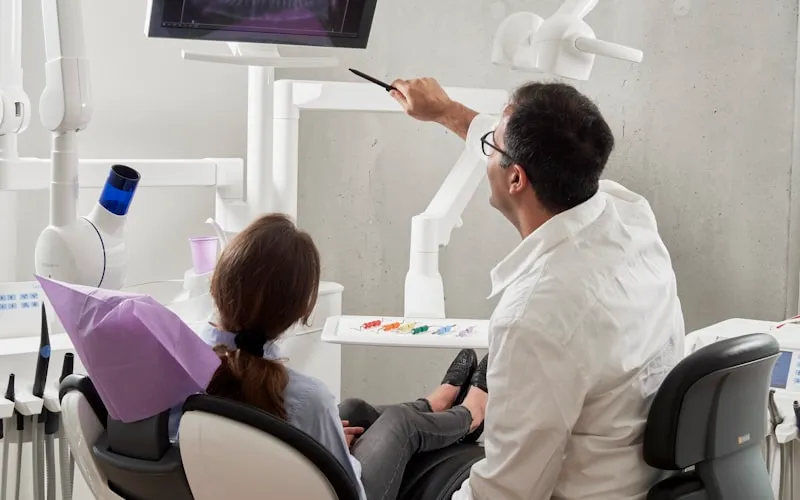
The right treatment depends entirely on the underlying cause. Here is how we approach sensitivity at every level.
Level 1: At-Home Care for Mild Sensitivity
For patients with generalized, mild sensitivity and no underlying cavities or cracks, at-home management is often effective.
Desensitizing toothpaste is the first line of defense. Products containing potassium nitrate work by calming the nerve inside the tooth, while those with stannous fluoride help block the exposed dentinal tubules. Use the toothpaste twice daily for at least two to four weeks before judging its effectiveness. For an extra boost, apply a thin layer of desensitizing toothpaste directly to the sensitive areas before bed and leave it on overnight.
Proper brushing technique matters enormously. Switch to a soft-bristled toothbrush, use gentle pressure, and follow the technique outlined in our guide on how to brush your teeth properly. Aggressive scrubbing accelerates enamel loss and gum recession.
Dietary adjustments can reduce exposure to acid erosion. Limit acidic foods and drinks, use a straw for acidic beverages, and rinse your mouth with water after consuming acidic items. Wait at least 30 minutes after eating acidic food before brushing.
Level 2: In-Office Treatments for Moderate Sensitivity
When at-home care is not enough, we have several professional treatments that provide stronger, longer-lasting relief.
Fluoride varnish is a concentrated fluoride application that we paint directly onto sensitive tooth surfaces. It strengthens enamel, reduces tubule permeability, and provides relief that can last several months. We often apply fluoride varnish during routine cleaning appointments for patients who report sensitivity.
Dental bonding or sealants can be applied to exposed root surfaces to create a physical barrier over the dentin. This is particularly effective for patients with localized gum recession exposing one or two root surfaces.
Desensitizing agents — professional-strength solutions containing compounds like glutaraldehyde or HEMA — can be applied in the office to seal dentinal tubules more aggressively than over-the-counter products.
Level 3: Restorative Treatments for Specific Causes
When sensitivity is caused by a specific structural problem, treating the cause eliminates the symptom.
Fillings for cavities that have reached the dentin.
Crowns for cracked teeth or teeth with extensive enamel loss that need full coverage protection.
Gum grafting for severe gum recession. A periodontist takes a small amount of tissue from the palate or a donor source and grafts it over the exposed root, restoring the protective barrier.
Night guards for bruxism. A custom-fitted guard worn during sleep prevents further enamel wear and can reduce sensitivity caused by grinding.
Level 4: Root Canal for Severe Cases
When sensitivity is severe, constant, and caused by irreversible damage to the nerve (pulp) inside the tooth, a root canal may be the only way to eliminate the pain. Root canal therapy removes the damaged nerve tissue, and the tooth is then restored with a crown. While no one looks forward to a root canal, modern techniques make the procedure virtually painless, and it is the definitive solution when the nerve itself is compromised.
Prevention: How to Protect Your Teeth from Sensitivity
The best treatment for sensitivity is preventing it from developing in the first place. Here are the habits I recommend to every patient.
- Use a soft-bristled toothbrush and brush with gentle, circular motions — never back and forth with heavy pressure
- Choose fluoride toothpaste to continuously strengthen your enamel
- Limit acidic foods and drinks, and rinse with water after consuming them
- Do not brush immediately after eating acidic foods — wait at least 30 minutes
- Wear a night guard if you grind or clench your teeth
- Keep up with regular dental visits so we can catch enamel wear, recession, or cavities early
- Floss daily to prevent gum disease, which is a leading cause of recession and sensitivity
When to See Your Dentist
Occasional, fleeting sensitivity to very cold temperatures is common and often manageable at home. However, you should schedule an appointment if:
- Sensitivity persists for more than two weeks despite using desensitizing toothpaste
- Pain is sharp, severe, or localized to one specific tooth
- Sensitivity is accompanied by visible discoloration, swelling, or a bad taste
- You notice a crack, chip, or rough edge on a tooth
- Pain occurs spontaneously without an obvious trigger
- Sensitivity is getting progressively worse over time
These symptoms may indicate a cavity, crack, infection, or advancing gum disease that requires professional treatment. The earlier we catch the problem, the simpler and less costly the solution.
The Bottom Line
Tooth sensitivity is not something you should simply learn to live with. It is a symptom — your teeth telling you that their protective structure has been compromised in some way. Sometimes the fix is as simple as switching to a desensitizing toothpaste and adjusting your brushing technique. Other times it requires professional intervention to address the underlying cause.
The important thing is to pay attention to the signal and act on it rather than ignoring it and hoping it goes away. In my experience, patients who address sensitivity early almost always have a simpler, more affordable path to relief than those who wait until the problem escalates.
Tired of wincing every time you drink cold water? Call HB Dentist at (714) 536-2571 or schedule your appointment online to find out exactly what is causing your sensitivity and how we can fix it. Dr. Richard Baldwin, DMD and our team have been solving dental problems in Huntington Beach for decades — let us help you enjoy your favorite foods again without the sting.
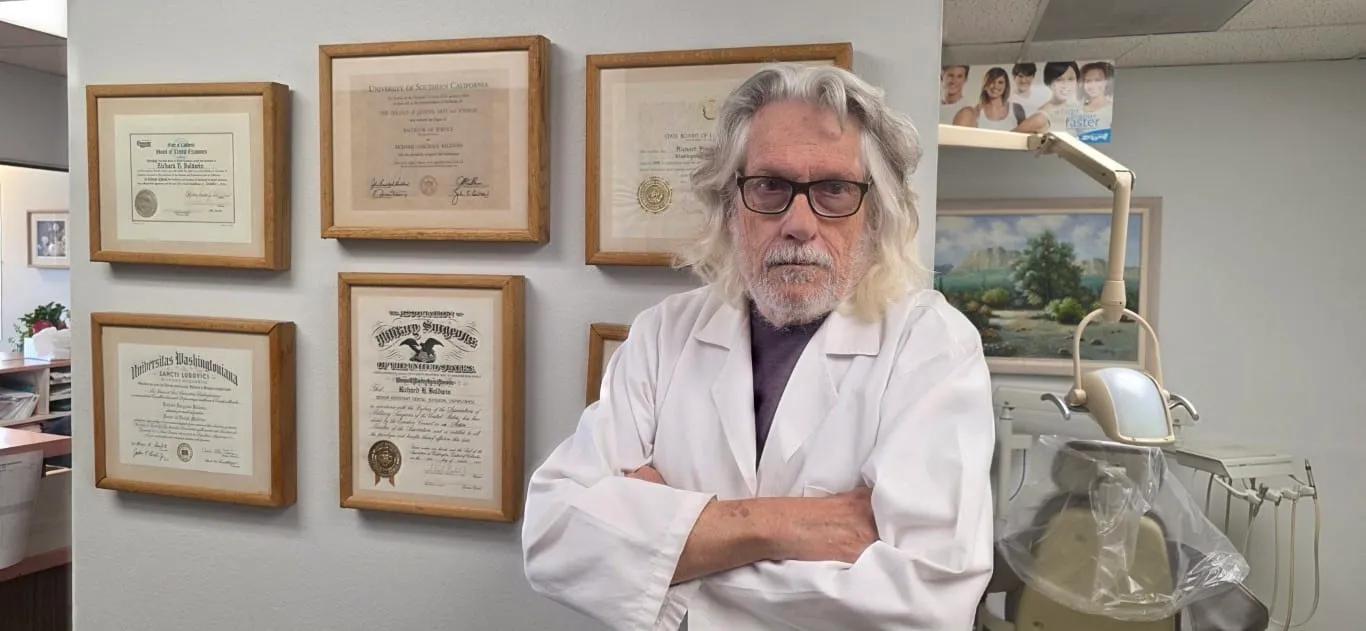
Written and clinically reviewed by Dr. Richard Baldwin, DMD General & cosmetic dentist in Huntington Beach since 1979 · Washington University School of Dental Medicine · Updated
Sources & further reading
- Brushing your teeth — American Dental Association · MouthHealthy
- Flossing — American Dental Association · MouthHealthy
- Dental X-rays — American Dental Association · MouthHealthy
- Tooth decay — National Institute of Dental and Craniofacial Research (NIH)
This guide is general dental information from a practicing dentist, not a diagnosis. Treatment recommendations and costs are confirmed at an in-person exam.