Jump to a section
If you wake up most mornings with a sore jaw, a dull headache behind the temples, or teeth that feel oddly sensitive, there is a good chance you are grinding your teeth in your sleep. The clinical term is bruxism, and as Dr. Richard Baldwin, DMD, after decades of practicing dentistry right here in Huntington Beach, I can tell you it is one of the most common — and most underdiagnosed — problems I see. A custom night guard for teeth grinding is often the simplest, most effective way to stop the damage before it becomes serious and expensive to repair.
What Is Bruxism?
Bruxism is the involuntary clenching or grinding of your teeth, usually while you sleep. During a normal night, your jaw muscles can generate forces of 250 pounds or more — far beyond what happens during regular chewing. Because it occurs unconsciously, most people have no idea they grind until a dentist spots the telltale wear patterns or a partner complains about the noise.
There are actually two forms. Sleep bruxism happens at night and is classified as a sleep-related movement disorder. Awake bruxism involves clenching during the day, often triggered by concentration or stress. Many patients have both. Left untreated, either form can cause progressive damage to your teeth, jaw joints, and surrounding muscles.
Why Do People Grind Their Teeth?
There is rarely a single cause. In my experience, bruxism usually results from a combination of factors working together.
Stress and anxiety. This is the number-one trigger I see in my practice. When life gets hectic — work pressure, financial worries, family responsibilities — the tension shows up in your jaw. Your body literally clenches against the stress while you sleep.
Sleep disorders. Research consistently links bruxism with obstructive sleep apnea, snoring, and disrupted sleep cycles. If you have been told you snore heavily or you wake feeling unrested despite a full night in bed, a sleep disorder may be fueling your grinding.
Bite misalignment. When your upper and lower teeth do not come together evenly, your jaw searches for a comfortable resting position during sleep. That searching often manifests as grinding. Even a single high crown or filling can set it off.
Lifestyle factors. Caffeine, alcohol, tobacco, and certain medications — particularly some antidepressants — have all been associated with increased grinding activity. I always ask patients about these during an evaluation because addressing them can make a meaningful difference.
Genetics. Bruxism tends to run in families. If one of your parents was a grinder, your risk is significantly higher.

Signs You Are Grinding Your Teeth
Because sleep bruxism happens unconsciously, many patients are surprised when I point out the evidence. Here are the most common signs I look for and ask about.
Worn, flattened teeth. Your teeth should have distinct cusps and ridges. When those surfaces become smooth and flat, grinding is almost always the reason. In advanced cases, enough enamel wears away that the darker dentin layer underneath becomes visible.
Chronic jaw pain and stiffness. If your jaw aches first thing in the morning or feels tight throughout the day, grinding is a likely culprit. Over time, the constant strain on the jaw joints can contribute to temporomandibular joint disorders. I cover this connection in detail in my post on TMJ treatment in Huntington Beach.
Morning headaches. Tension headaches that appear when you wake up and fade as the day goes on are a hallmark of nighttime clenching. The pain typically radiates from the temples because the temporalis muscles — the large muscles on each side of your head — are doing most of the work during grinding.
Chipped or cracked teeth. Teeth are strong, but they are not designed to withstand hours of sustained, heavy force. I regularly see patients with chipped edges, hairline fractures, and even teeth that split vertically from chronic grinding. Repairing that kind of damage often requires dental crowns or other restorative work that could have been avoided with a night guard.
Tooth sensitivity. As enamel wears thin, the underlying dentin becomes exposed. Dentin contains microscopic tubules that lead directly to the nerve, which is why worn teeth often become painfully sensitive to hot, cold, and sweet foods.
Tongue and cheek marks. Scalloped indentations along the edges of your tongue or bite marks on the inside of your cheeks suggest you are clenching with significant force at night.
If any of these sound familiar, it is worth scheduling an evaluation. Catching bruxism early prevents far more costly treatment down the road.

Types of Night Guards: Over-the-Counter vs. Custom
Not all night guards are created equal. Understanding the difference helps you make an informed decision.
Over-the-Counter Night Guards
Drugstore night guards come in two basic varieties. Boil-and-bite guards soften in hot water and then mold roughly to your teeth. One-size-fits-all stock guards offer no customization at all. Both are inexpensive — typically $20 to $40 — but they come with real drawbacks. The fit is bulky and imprecise, which makes them uncomfortable. Many patients tell me they spit them out during the night without realizing it. They also wear out quickly, sometimes in just a few weeks, and they do not address the specific bite dynamics that contribute to your grinding.
For occasional, mild clenching, an OTC guard can serve as a temporary solution. But for moderate to severe bruxism, it is not adequate protection.
Custom Night Guards
A custom night guard is fabricated from precise impressions or digital scans of your teeth. It is made from professional-grade materials — usually a hard acrylic outer layer for durability with a softer inner lining for comfort. The fit is exact, which means it stays in place all night, feels natural, and actually works.
Custom guards also allow me to build in specific bite adjustments. If your grinding pattern puts excessive force on certain teeth, I can engineer the guard to redistribute that pressure evenly. That level of precision simply is not possible with an off-the-shelf product.
How a Custom Night Guard Is Made
The process is straightforward and takes two short appointments.
Appointment one: Impressions. I examine your teeth, discuss your symptoms, and take detailed impressions of your upper and lower arches. If we use a digital scanner, there is no messy impression material at all — just a quick pass with a handheld wand. I also record how your bite comes together so the lab can design the guard to fit your specific jaw relationship. For patients who feel uneasy about dental visits, know that this appointment is entirely comfortable and non-invasive. I discuss strategies for managing dental anxiety with every patient who needs it.
Lab fabrication. Your impressions go to a dental laboratory where a technician handcrafts the guard from durable, BPA-free materials. This process takes roughly one to two weeks.
Appointment two: Fitting. You come back in, try the guard on, and I make any minor adjustments to ensure the fit and bite are perfect. I also walk you through how to insert it, remove it, and care for it properly.
Cost and Insurance Coverage
Custom night guards typically range from $300 to $600, depending on the design and materials used. That may sound like a meaningful investment, but consider the alternative. A single dental crown to repair a cracked tooth can cost $1,000 or more. A full set of veneers to restore worn-down teeth runs into the thousands. Root canal treatment for a tooth that fractures down to the nerve adds even more. The night guard pays for itself many times over in prevention.
Many dental insurance plans cover night guards partially or fully when there is a documented diagnosis of bruxism. Our team handles insurance verification and can give you a clear estimate before you commit to anything.
Caring for Your Night Guard
A custom night guard can last five years or longer with proper care. Here is how to keep it in good shape.
- Rinse it every morning. As soon as you remove it, rinse under cool water to clear saliva and debris.
- Brush it gently. Use a soft toothbrush with a small amount of mild soap or non-abrasive toothpaste. Avoid hot water, which can warp the material.
- Store it in its case. Always use the ventilated case provided. Leaving it on a nightstand exposes it to dust, pets, and accidental damage.
- Keep it away from heat. Never leave it in a hot car, near a window, or in direct sunlight.
- Bring it to your checkups. I inspect every patient’s night guard at their regular visits. I can spot wear patterns, adjust the fit, and let you know when it is time for a replacement.
Other Treatments That Can Help
A night guard protects your teeth, but addressing the root causes of bruxism gives you the best long-term outcome. Here are additional approaches I often recommend alongside a guard.
Stress management. Since stress is the leading trigger, finding healthy outlets matters. Regular exercise, deep breathing techniques, meditation, and even counseling can reduce clenching intensity significantly.
Botox for jaw clenching. Therapeutic Botox injections into the masseter muscles have become a well-established treatment for severe bruxism. The injections relax the muscles enough to reduce grinding force without affecting your ability to chew normally. Results typically last three to four months.
Bite adjustment (occlusal equilibration). If an uneven bite is driving your grinding, carefully reshaping specific tooth surfaces can eliminate the interference. This is a conservative, painless procedure that can make a meaningful difference for the right patient.
Treatment of underlying sleep disorders. If sleep apnea or another sleep disorder is contributing to your bruxism, treating that condition often reduces grinding as a secondary benefit. I work with sleep medicine specialists when needed to make sure we are addressing the full picture.
Muscle relaxation exercises. Simple jaw stretches and massage techniques performed before bed can help reduce nighttime tension. I teach these during appointments and encourage patients to make them part of their evening routine.
Protect Your Teeth Before the Damage Adds Up
Teeth grinding is not something that resolves on its own. The forces involved are too great and the damage is cumulative. Every night without protection is another night of wear on your enamel, stress on your jaw joints, and risk of a fracture that could have been prevented.
If you recognize any of the symptoms described above — the morning headaches, the jaw soreness, the worn or sensitive teeth — I encourage you to come in for an evaluation. After decades of helping Huntington Beach families protect their smiles, I can tell you that a custom night guard is one of the best investments you will ever make in your oral health.
Call HB Dentist at (714) 536-2571 or request an appointment online to schedule your bruxism evaluation today.
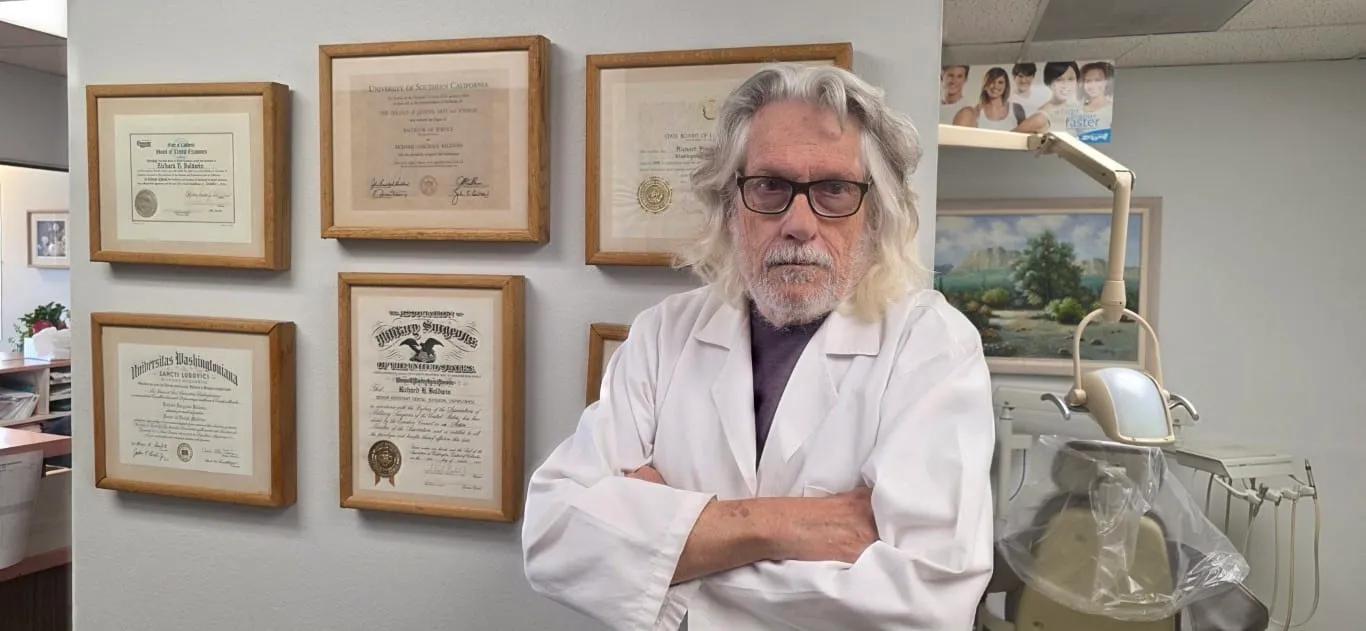
Written and clinically reviewed by Dr. Richard Baldwin, DMD General & cosmetic dentist in Huntington Beach since 1979 · Washington University School of Dental Medicine · Updated
Sources & further reading
- TMJ disorders (TMD) — National Institute of Dental and Craniofacial Research (NIH)
- TMJ — American Dental Association · MouthHealthy
- Mouthguards — American Dental Association · MouthHealthy
This guide is general dental information from a practicing dentist, not a diagnosis. Treatment recommendations and costs are confirmed at an in-person exam.