Jump to a section
- What Is a Root Canal, and Why Would You Need One?
- Signs You May Need a Root Canal
- What to Expect Before the Procedure
- What Happens During a Root Canal?
- The Root Canal Procedure: Step by Step
- Comfort Options for Anxious Patients
- Recovery: What to Expect After a Root Canal
- Why a Crown Matters After a Root Canal
- Root Canal Cost in Huntington Beach
- Root Canal vs. Tooth Extraction: Why Saving the Tooth Wins
- Debunking Common Root Canal Myths
- Frequently Asked Questions
- Schedule Your Root Canal Consultation in Huntington Beach
If the words “root canal” make your stomach drop, you are not alone. In decades of practice here in Huntington Beach, I have seen the same look on thousands of faces — the wide eyes, the tight grip on the armrest, the quiet question: “Is this going to hurt?” The honest answer is that a modern root canal is far gentler than most people imagine. The American Association of Endodontists (AAE) reports that patients who have actually had the procedure are six times more likely to describe it as painless than those who have not.
This guide walks you through exactly what to expect during root canal therapy in Huntington Beach — the procedure itself, what it costs, recovery, and how we keep you comfortable if nerves are holding you back from treatment.
What Is a Root Canal, and Why Would You Need One?
Every tooth contains soft tissue called the pulp — nerves, blood vessels, and connective tissue. A root canal, technically called endodontic therapy, becomes necessary when the pulp is inflamed or infected due to deep decay, repeated procedures, a crack, or trauma.
Left untreated, an infected pulp leads to an abscess, bone loss, and eventually tooth loss. A root canal removes the infection while preserving the natural tooth — and in my experience, saving your natural tooth is almost always the best long-term outcome. When a tooth cannot be saved, a dental implant is the next best option, but preservation should always come first.
Signs You May Need a Root Canal
Not every toothache means you need a root canal, but certain symptoms should prompt a call right away:
- Persistent or throbbing pain that lingers after eating or wakes you at night
- Prolonged sensitivity to hot or cold lasting 30 seconds or more after the stimulus is removed
- Darkening or discoloration of a tooth, suggesting the nerve inside is dying
- Swollen or tender gums near the tooth, sometimes with a small draining bump
- Pain when biting or pressing on the tooth
Do not wait on these symptoms. In decades of treating patients in Huntington Beach, I have seen too many cases where delaying care turned a simple root canal into a more complex situation. If you are in acute pain right now, we offer a dental emergency same-day visit — call us and we will get you seen as soon as possible.
What to Expect Before the Procedure
Consultation and Diagnosis
Your visit begins with a digital X-ray to evaluate the root canals and check whether infection has spread to surrounding bone. We review the images together so you understand exactly why a root canal is recommended. If you experience dental anxiety, let us know — we accommodate nervous patients every day.
Preparing for Your Appointment
Eat a normal meal beforehand since you will be numb afterward. Continue any prescribed medications, and complete any antibiotics for an active infection before your appointment.
What Happens During a Root Canal?
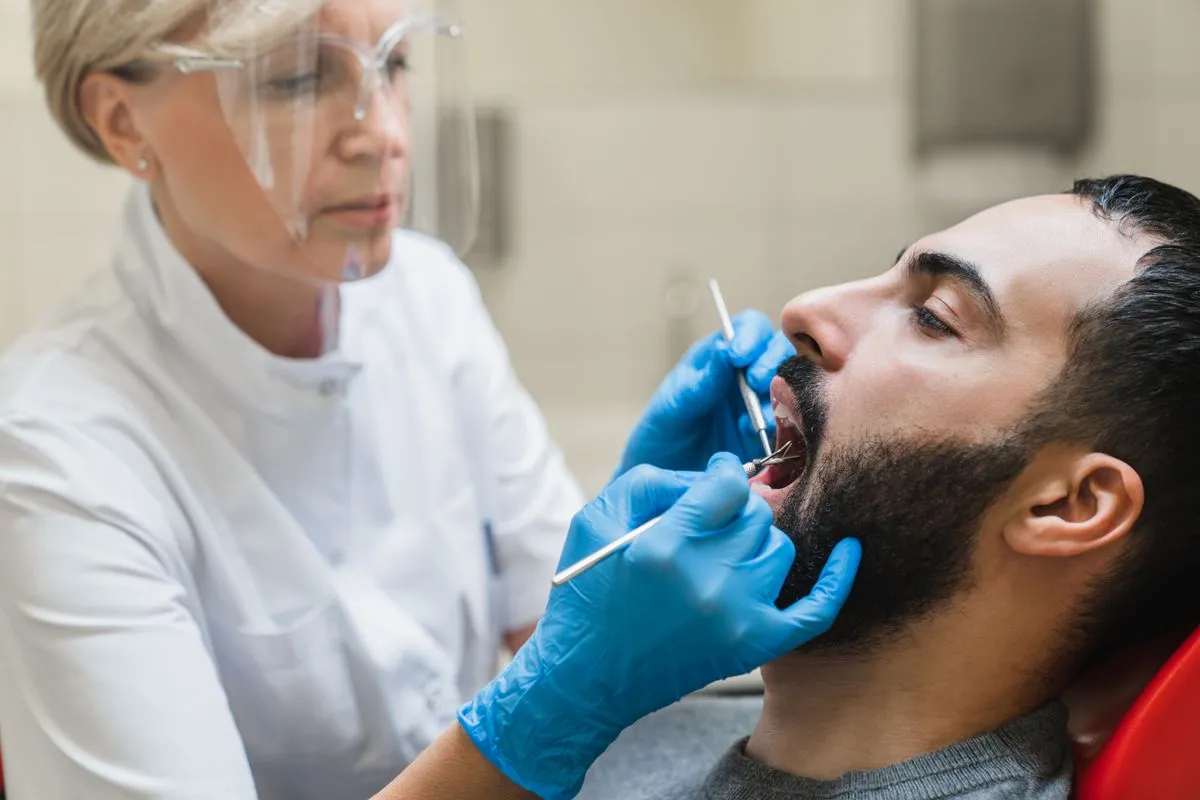
If you are wondering what happens during a root canal, the short answer is that we numb the tooth, isolate it with a dental dam, open the tooth, and remove the infected pulp from the inner canals. Then the canals are cleaned, shaped, filled with gutta-percha, and sealed so bacteria cannot re-enter.
Most patients feel pressure and vibration rather than pain. In many cases, the final step is a crown, which protects the treated tooth after treatment and helps it hold up to normal chewing.
The Root Canal Procedure: Step by Step
Here is a detailed breakdown of what happens from the moment you sit down in the chair.
Step 1: Anesthesia
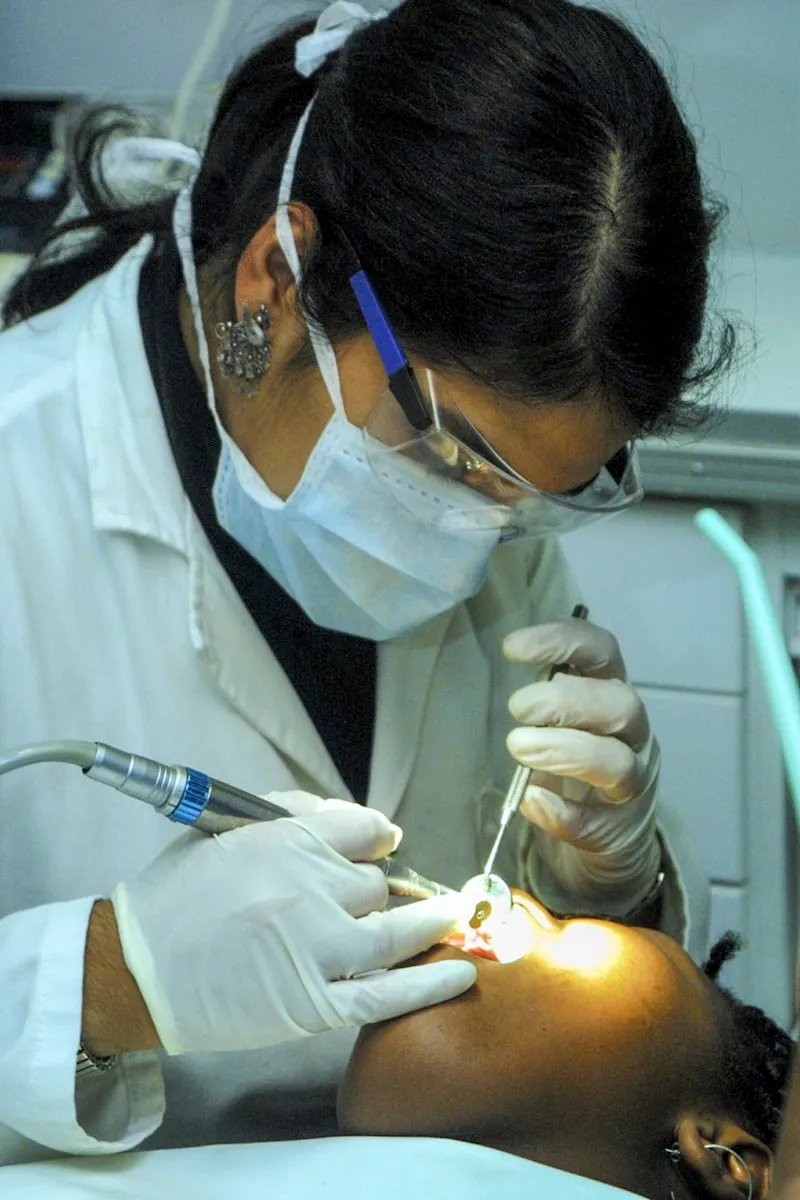
I apply a topical numbing gel first, then administer a local anesthetic to completely numb the tooth and surrounding area. Most patients feel only a brief pinch. I do not rush this step — we wait until the tooth is genuinely numb and I check with you before going any further.
You should feel no pain during the procedure. If at any point you feel discomfort, raise your hand and I will stop immediately to add more anesthesia.
Step 2: Isolation With a Dental Dam
A small rubber sheet called a dental dam is placed over the tooth. This keeps the area dry and prevents bacteria from entering during the procedure.
Step 3: Accessing the Pulp Chamber
Using a small drill, I create an opening through the top of the tooth to reach the pulp chamber. Because the area is completely numb, you will feel only pressure and vibration — no pain.
Step 4: Removing the Infected Pulp
Using specially designed endodontic files, I remove the infected pulp from the chamber and root canals. Each canal is measured with an electronic apex locator to ensure thorough cleaning to the very tip of the root.
Step 5: Cleaning and Shaping the Canals
Each canal is cleaned, enlarged, and shaped using progressively sized files. Between each file, the canals are flushed with an antimicrobial solution to disinfect the space and wash away debris. This meticulous cleaning is why modern root canals have such high success rates — the AAE reports a success rate of over 95 percent.
Step 6: Filling the Canals
Once the canals are cleaned and dried, they are filled with a biocompatible material called gutta-percha. This rubber-like material is heated and compressed into the canals, then sealed with cement to prevent bacteria from re-entering.
Step 7: Sealing the Tooth
The access opening is sealed with a filling. In most cases, you will return for a crown to protect and fully restore the tooth. Because a root-canal-treated tooth no longer receives a blood supply, it becomes more brittle over time — a crown is essential for long-term durability, especially on molars that bear heavy chewing forces.
How Long Does It Take?
A typical root canal takes 60 to 90 minutes. Front teeth with one canal tend to be faster; molars with three or four canals may take the full 90 minutes. In my experience, most patients are surprised at how quickly it goes.
Comfort Options for Anxious Patients
Dental anxiety is real, and I take it seriously. Many patients who come to me for a root canal in Huntington Beach have been putting off treatment for months — sometimes years — because they are worried about pain or losing control during the procedure. Here is what we do to make the experience as comfortable as possible.
Thorough local anesthesia: This is the part that actually stops pain, and it is the part I refuse to rush. We wait until the tooth is genuinely numb and I confirm it with you before starting. If you feel anything sharp partway through, say so and we add more. That is normal, not an inconvenience.
Complete step-by-step transparency: Before we start, I walk you through every step so nothing comes as a surprise. Understanding that pressure and vibration are completely normal — and that pain is not — removes much of the fear.
You are always in control: At any point during the procedure, raise your hand and I will stop immediately. There is no pressure, no rushing. We take as many breaks as you need.
A note on sedation: Our office does not offer sedation of any kind. For most patients the measures above are genuinely enough — and it is worth knowing that sedation would not change what you feel anyway, since local anesthesia is what blocks the pain. If your anxiety is severe enough that you need sedation, tell me and I will refer you to a practice that provides it. See our guide to comfortable care without sedation.
Recovery: What to Expect After a Root Canal
The First 24 Hours
Once the anesthesia wears off — usually within two to four hours — you may notice tenderness around the treated tooth. This is normal and does not mean something went wrong. Over-the-counter ibuprofen or acetaminophen manages the discomfort effectively. I recommend taking the first dose before the numbness fully wears off.
The First Week
For most patients, residual soreness fades within three to five days. During this period, avoid chewing on the treated side, stick to softer foods for a day or two, brush and floss gently around the area, and avoid smoking — it slows healing significantly.
When to Call Your Dentist
Complications are uncommon, but contact our office if you experience:
- Severe pain lasting more than a few days that does not respond to medication
- Swelling that worsens after the procedure
- An allergic reaction (rash, hives, or itching)
- A bite that feels uneven, or a temporary filling that falls out
Why a Crown Matters After a Root Canal
After your root canal, the tooth needs a permanent restoration. In most cases, this means a dental crown — a cap that covers the entire visible portion of the tooth, restoring strength and a natural appearance. According to the ADA, placing a crown promptly after endodontic treatment dramatically improves long-term tooth survival. I typically recommend scheduling your crown within two to four weeks.
Root Canal Cost in Huntington Beach
One of the first questions patients ask is: “How much will this cost?” Here is a straightforward breakdown.
Typical cost range: Root canal treatment in Huntington Beach and the surrounding Orange County area generally runs between $700 and $1,500, depending on which tooth needs treatment. Single-rooted front teeth (incisors and canines) sit at the lower end. Bicuspids fall in the middle. Molars, which have three or four canals and require more time, tend to cost the most.
What dental insurance covers: Most PPO dental plans classify root canals as a major restorative procedure and cover 50 to 80 percent of the fee after your annual deductible. Our front desk team verifies your specific benefits before your appointment so there are no surprises on the day of treatment.
No insurance? We can discuss payment options that fit your situation. An untreated tooth infection will not resolve on its own — the longer it goes, the more complicated and expensive the outcome becomes. Treating it now is almost always the more affordable path.
Budget for the crown too: Most root canal-treated teeth need a dental crown to stay functional long-term. The crown is billed separately and is also partially covered by most insurance plans. We provide a complete treatment estimate upfront so the total cost is clear before we begin.
For patient-specific guidance on root canal therapy in Huntington Beach, schedule a consultation so we can review your tooth, X-rays, insurance benefits, and expected next steps.
Root Canal vs. Tooth Extraction: Why Saving the Tooth Wins
Some patients ask whether it would be simpler to pull the tooth. While extraction is sometimes necessary, saving your natural tooth maintains bite alignment, preserves jawbone, and costs less long-term than a dental implant or bridge. In my experience, patients who choose a root canal and crown are glad they did — the tooth can last a lifetime.
Debunking Common Root Canal Myths
Myth: Root Canals Are Extremely Painful
This is the most persistent myth and the most outdated. With modern anesthesia and advanced techniques, a root canal is no more uncomfortable than having a cavity filled. The pain you feel before the procedure — from the infected tooth — is far worse than anything during treatment.
Myth: It Is Better to Pull the Tooth
Extraction should be a last resort. No artificial replacement functions as well as your natural tooth.
Myth: Root Canals Cause Illness
Claims linking root canals to systemic disease trace back to flawed 1920s research. The ADA, AAE, and peer-reviewed literature confirm that root canal treatment is safe.
Frequently Asked Questions
What happens during a root canal?
During a root canal, Dr. Baldwin numbs the tooth, places a dental dam, opens the tooth, and removes infected pulp from the inner canals. He then cleans and shapes the canals, fills them with gutta-percha, seals the opening, and usually restores the tooth with a crown afterward for strength.
Does a root canal hurt?
Modern root canals are virtually painless thanks to effective local anesthesia. Most patients compare the sensation to getting a filling. Dr. Baldwin takes the time to be certain the tooth is fully numb before beginning.
How much does a root canal cost in Huntington Beach?
Costs typically range from $700 to $1,500 depending on which tooth is treated. Most PPO dental insurance covers 50–80% after your deductible. We verify your benefits before your appointment so you know your exact out-of-pocket cost.
Does dental insurance cover root canals?
Most PPO plans cover root canals as a major restorative procedure at 50–80% after your deductible. We accept most major dental insurance and provide a complete cost estimate before treatment begins.
How long does a root canal take?
Most root canals take 60 to 90 minutes. Front teeth with one canal are faster; molars with multiple canals may take the full 90 minutes. The majority of patients go back to their normal routine the same day.
Can I drive home after a root canal?
Yes. We use local anesthesia only, so your alertness is unaffected and you can drive yourself home straight after the appointment.
Do you offer sedation for nervous patients?
No. Our office does not provide sedation of any kind. We rely on thorough local anesthesia, unhurried appointments, and stopping whenever you need us to — which works well for the large majority of anxious patients. If you need sedation, we will refer you to a practice that offers it.
How do I know if I need a root canal or just a filling?
A filling treats surface decay that has not reached the nerve. A root canal is needed when infection reaches the inner pulp. Persistent throbbing pain, sensitivity that lingers after hot or cold, tooth discoloration, or a bump on the gum near the tooth are the key warning signs. A digital X-ray confirms the diagnosis.
Schedule Your Root Canal Consultation in Huntington Beach
If you have been told you need a root canal, you are in good hands. I am Dr. Richard Baldwin, and I have been performing root canals for decades right here in Huntington Beach, CA. My goal is simple: save your tooth, eliminate your pain, and keep you comfortable every step of the way.
If you are in pain right now, do not wait — we offer same-day emergency appointments. Learn more about our emergency dental services or call us directly.
Call HB Dentist today at (714) 536-2571 or request an appointment online. We will answer every question and make sure you feel confident before we begin.
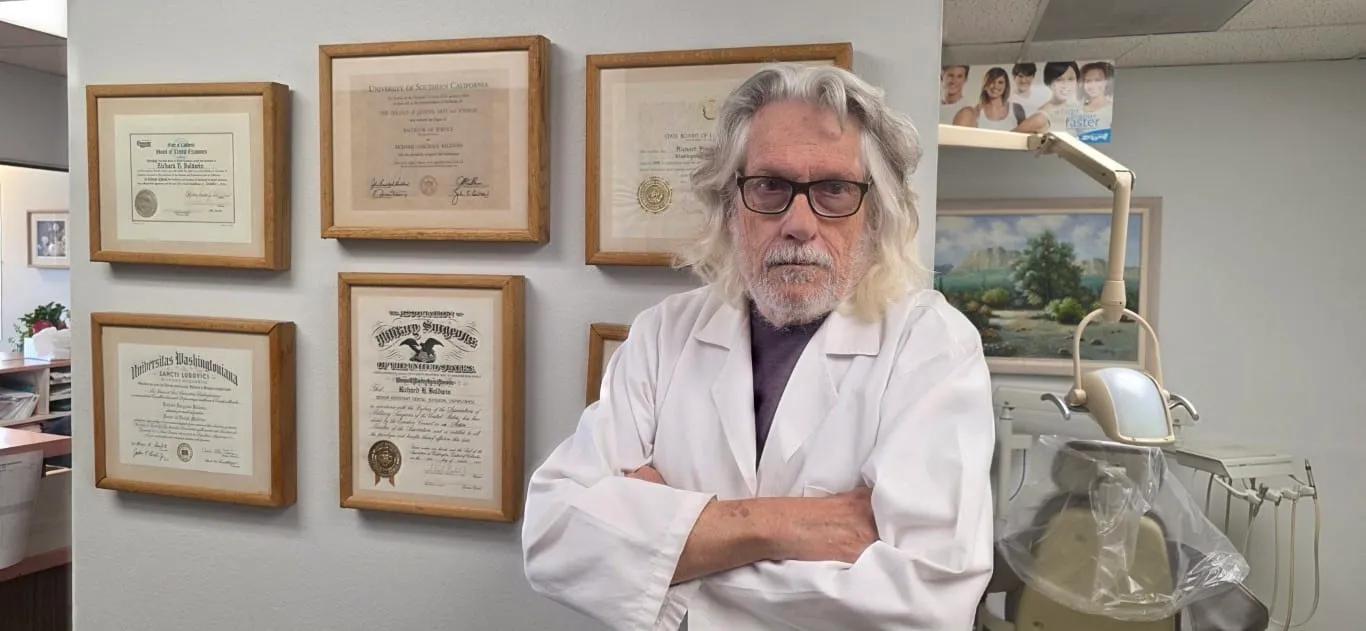
Written and clinically reviewed by Dr. Richard Baldwin, DMD General & cosmetic dentist in Huntington Beach since 1979 · Washington University School of Dental Medicine · Updated
Sources & further reading
- Root canals — American Dental Association · MouthHealthy
- Root canal treatment explained — American Association of Endodontists
This guide is general dental information from a practicing dentist, not a diagnosis. Treatment recommendations and costs are confirmed at an in-person exam.