(714) 536-2571
8951 Atlanta Ave, Huntington Beach
Mon–Thu: 9 AM – 6 PM  |  Fri: 9 AM – 1 PM
· · 5 min read

Dental Sedation Options: From Nitrous Oxide to IV Sedation

Learn about sedation dentistry options at HB Dentist. Comfortable care in Huntington Beach.

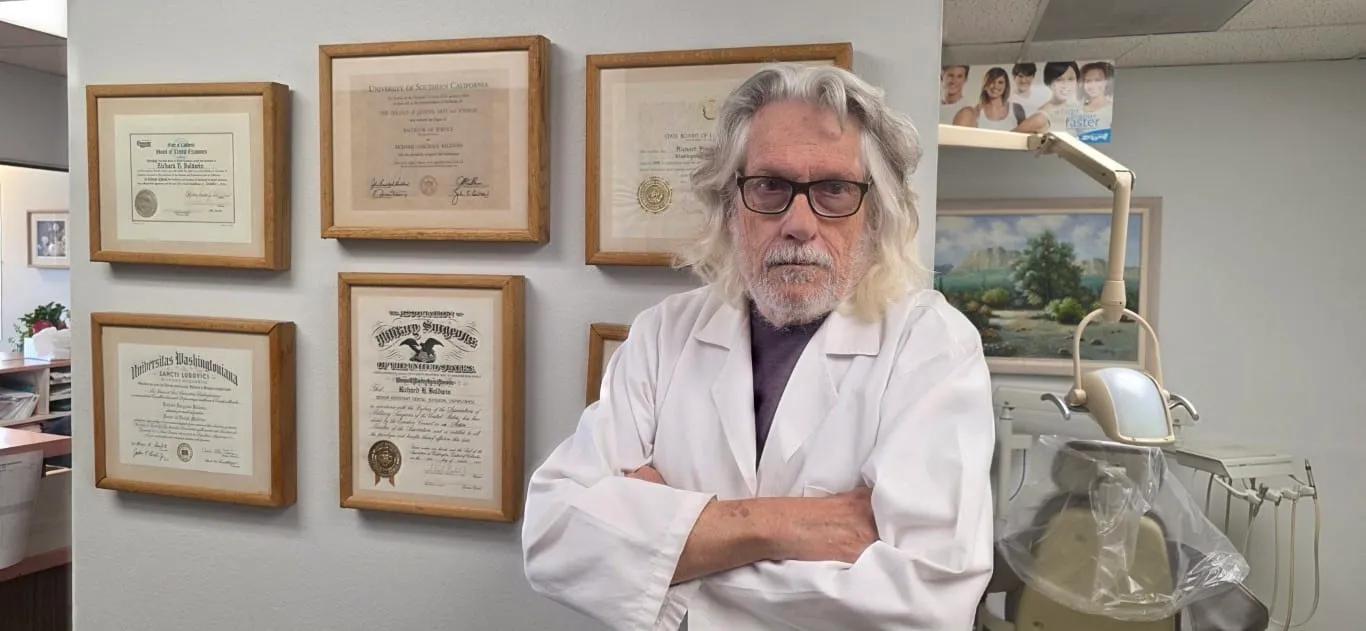
Dr. Richard Baldwin, DMD
Dr. Richard Baldwin, DMD 45+ years in Huntington Beach · General & Cosmetic Dentistry

You Deserve Comfortable Dental Care — And Dental Sedation Options Make It Possible

If the thought of sitting in a dental chair makes your palms sweat, you are not alone. Millions of Americans delay or avoid dental treatment because of fear, and I have seen firsthand how that avoidance leads to small problems becoming painful, expensive emergencies. After more than 45 years of practicing dentistry right here in Huntington Beach, I can tell you with confidence: modern dental sedation options have transformed the experience for anxious patients. Nobody should suffer through a procedure — or skip one entirely — when safe, proven sedation methods are available.

Whether you are dealing with dental anxiety that has kept you from the dentist for years or you simply want a more relaxed experience during a longer procedure, this guide will walk you through every sedation level we offer, how each one works, and how to decide which is right for you.

Understanding the Four Levels of Sedation

Not all sedation is the same. The American Dental Association recognizes four distinct levels, and each serves a different purpose.

Minimal sedation keeps you awake and aware but noticeably relaxed. You can respond to questions, follow instructions, and breathe on your own without assistance. Nitrous oxide is the most common example.

Moderate sedation (sometimes called “conscious sedation”) takes you a step deeper. You may slur your words, feel very drowsy, and have little or no memory of the procedure afterward — but you can still be gently roused and you continue to breathe independently. Oral sedation pills fall into this category.

Deep sedation places you on the edge of consciousness. You are difficult to awaken and may need some assistance with breathing. IV sedation can reach this level depending on the dosage.

General anesthesia renders you completely unconscious. It is reserved for extensive oral surgery, complex medical situations, or patients with severe disabilities that prevent cooperation. General anesthesia is typically administered in a hospital or surgical center.

For the vast majority of patients who visit our Huntington Beach office, minimal or moderate sedation is all that is needed to transform a stressful visit into a calm, comfortable one.

Dental professional preparing nitrous oxide sedation equipment for a patient

Nitrous Oxide: The Gentlest Option

Nitrous oxide — often called “laughing gas” — is the lightest and most widely used dental sedation option in the world. Here is how it works: you breathe a carefully controlled mixture of nitrous oxide and oxygen through a small mask that rests over your nose. Within two to three minutes, you begin to feel warm, relaxed, and perhaps a little floaty. Some patients describe it as the feeling of sinking into a warm bath.

Who it is for. Nitrous oxide is ideal for patients with mild to moderate anxiety, children who are nervous, and anyone undergoing a routine cleaning, filling, or crown who simply wants to take the edge off. It also works well as a complement to local anesthesia — you still receive numbing injections, but the nitrous helps you not mind them.

Safety. Nitrous oxide has one of the longest and strongest safety records in all of medicine. It has been used in dentistry for more than 150 years. Because we control the gas mixture in real time, we can increase or decrease your sedation level minute by minute. Once the mask comes off, pure oxygen flushes the nitrous from your system within about five minutes. You can drive yourself home, return to work, and eat normally. There are virtually no lingering side effects.

Oral Sedation: A Deeper Calm

For patients whose anxiety goes beyond what nitrous oxide can manage, oral sedation offers a stronger level of relaxation. You take a prescription sedative pill — typically a benzodiazepine such as triazolam (Halcion) — about 60 minutes before your appointment. By the time you settle into the chair, you feel profoundly drowsy and relaxed.

How it works. The medication depresses your central nervous system just enough to produce a deep sense of calm without putting you fully to sleep. You remain conscious and can respond to Dr. Baldwin’s instructions, but many patients report remembering little to nothing about the appointment afterward. This “amnesic effect” is actually one of the biggest benefits for highly anxious patients — it is as though the appointment never happened.

What to expect. You will feel groggy and uncoordinated for several hours after the procedure. You must arrange for a responsible adult to drive you to and from the office. Plan to rest at home for the remainder of the day. Avoid operating machinery, signing legal documents, or making important decisions until the following morning. Most patients feel completely normal by the next day.

Oral sedation is an excellent choice for longer procedures like root canals, multiple fillings in one visit, or dental implant placement.

IV Sedation: Precision Control for Complex Cases

Intravenous (IV) sedation delivers medication directly into your bloodstream through a small catheter in your arm or hand. Because the drug enters your system immediately, the dentist or anesthesiologist can adjust the depth of sedation with remarkable precision — increasing or decreasing the dose in seconds.

IV sedation can range from moderate to deep depending on the procedure and the patient’s needs. It is most commonly recommended for surgical extractions such as wisdom teeth removal, full-mouth reconstruction, patients with extreme dental phobia, or those with a strong gag reflex that makes treatment difficult.

As with oral sedation, you will need a driver and should plan for a full day of rest afterward.

Comparing Your Dental Sedation Options at a Glance

FeatureNitrous OxideOral SedationIV SedationGeneral Anesthesia
Sedation levelMinimalModerateModerate to deepUnconscious
How administeredInhaled through nose maskPill taken before visitIntravenous lineIV in hospital/surgical center
Onset time2–3 minutes30–60 minutesAlmost immediateAlmost immediate
AwarenessFully awake, relaxedDrowsy, may not rememberDrowsy to semi-consciousCompletely unconscious
Recovery time~5 minutesSeveral hoursSeveral hoursHours; monitored recovery
Can drive after?YesNoNoNo
Best forMild anxiety, short proceduresModerate anxiety, longer proceduresSurgical procedures, severe phobiaExtensive surgery, special needs

What to Expect Before, During, and After Sedation

Before your appointment. During your consultation, we review your full medical history, current medications, allergies, and anxiety level. Be honest and thorough — this information helps us choose the safest, most effective sedation option. If oral or IV sedation is selected, you will receive specific instructions: typically no food or drink for six to eight hours beforehand, and you will need to confirm your ride home.

During the procedure. Our team monitors your vital signs — heart rate, blood pressure, and oxygen levels — continuously throughout your visit, regardless of which sedation method is used. You are never left unattended. Dr. Baldwin and the clinical team are trained in emergency protocols and keep reversal agents on hand as standard practice.

After the procedure. With nitrous oxide, you will feel back to normal within minutes. With oral or IV sedation, expect grogginess for the rest of the day. We provide written post-operative instructions before you leave and follow up by phone the next day to check on your recovery.

Relaxed patient reclining comfortably during a sedation dentistry appointment

Who Is a Good Candidate for Sedation Dentistry?

Most healthy adults and many children are excellent candidates. Sedation dentistry is especially beneficial if you experience any of the following:

  • Moderate to severe dental anxiety or fear
  • A strong gag reflex that interferes with treatment
  • Difficulty getting numb with local anesthesia alone
  • Need for multiple or lengthy procedures in one visit
  • Physical conditions that make it hard to sit still for extended periods
  • Past traumatic dental experiences

Certain medical conditions — including uncontrolled high blood pressure, sleep apnea, pregnancy, or allergies to sedative medications — may require special precautions or alternative approaches. That is exactly why the pre-treatment health review is so important.

Cost and Insurance Considerations

The cost of sedation varies depending on the type and the length of your procedure. Nitrous oxide is the most affordable option, typically adding a modest fee to the cost of your treatment. Oral sedation costs more due to the prescription medication and additional monitoring. IV sedation and general anesthesia are the most expensive because they require specialized training, equipment, and sometimes a separate anesthesia provider.

Many dental insurance plans cover sedation when it is deemed medically necessary — for example, for surgical extractions or for patients with documented anxiety disorders or special needs. Our front office team will verify your benefits and explain your out-of-pocket costs before any treatment begins so there are no surprises.

How to Prepare for Your Sedation Appointment

Preparation is straightforward:

  1. Complete your health history honestly and thoroughly at your consultation visit.
  2. Follow fasting instructions if oral or IV sedation is planned — typically nothing to eat or drink after midnight the night before.
  3. Arrange your ride. A responsible adult must drive you to and from the office and stay with you for several hours afterward.
  4. Wear comfortable clothing with short or loose sleeves (especially for IV sedation).
  5. Skip caffeine the morning of your procedure, as it can interfere with sedation.
  6. Ask questions. If anything is unclear, call our office. We would rather answer the same question twice than have you worry the night before.

A Safety Record You Can Trust

Sedation dentistry is backed by decades of clinical research and is regulated by both the American Dental Association and the California Dental Board. Dr. Baldwin holds all required sedation permits and our entire clinical team participates in ongoing continuing education, including Basic Life Support and Advanced Cardiac Life Support certification. We follow every protocol to the letter — not because a regulation says so, but because your safety is the foundation of everything we do.

In more than four decades of practice, we have helped thousands of Huntington Beach patients experience comfortable, anxiety-free dental care through sedation. The technology, the medications, and the monitoring equipment have only improved with time.

Take the First Step Toward Comfortable Dental Care

If fear or anxiety has been standing between you and the dental care you need, sedation dentistry can change everything. Whether it is a simple cleaning with nitrous oxide or a more involved procedure with oral sedation, we will find the approach that is right for you.

Call HB Dentist at (714) 964-4183 or request an appointment online to schedule your sedation consultation. Dr. Baldwin and our team are here to make sure your next visit is the comfortable experience you deserve.

Ready to Take the Next Step?

Schedule your visit
with Dr. Baldwin.

Expert dental care in Huntington Beach — 45+ years of experience, modern technology, and a team that genuinely cares.

Dr. Baldwin
HB Dentist Typically replies instantly

Hi there! I'm Dr. Baldwin. How can we help you today?

Just now