Jump to a section
If you are considering dental implants or have recently had one placed, the thought of implant failure has probably crossed your mind. That is a completely understandable concern. I am Dr. Richard Baldwin, DMD, and after decades of placing dental implants at HB Dentist in Huntington Beach, I want to give you an honest, thorough look at this topic — because when you understand what can go wrong and why, you are far better equipped to make sure it does not happen to you.
The most important thing to know upfront is this: dental implant failure is rare. With proper planning, skilled placement, and good aftercare, implants succeed more than 95 percent of the time. But that small percentage deserves attention, because understanding the causes and warning signs can make the difference between catching a problem early and losing an implant entirely.
How Rare Is Dental Implant Failure?
Decades of clinical research place the long-term success rate of dental implants between 95 and 98 percent. A comprehensive review in the Journal of Dental Research found a 10-year survival rate above 96 percent across thousands of patients. Dental implants are one of the most predictable treatments in all of dentistry.
The key is that most factors contributing to failure are identifiable before or shortly after surgery, and many are within your control or your dentist’s control.
Early Failure vs. Late Failure
Dental implant failure falls into two distinct categories based on timing, and each has different causes and implications.
Early Failure (Within the First Few Months)
Early failure occurs before osseointegration is complete — before the titanium post has fully fused with the jawbone, typically within three to six months. It is almost always related to surgical factors, healing complications, or pre-existing conditions not adequately addressed before placement.
Late Failure (Months to Years After Placement)
Late failure occurs after the implant has successfully integrated and functioned normally. It is most commonly caused by infection (peri-implantitis), chronic mechanical overload, or changes in overall health. Understanding which category a failure falls into helps determine what went wrong and how to proceed.
Causes of Dental Implant Failure
Several factors can contribute to implant failure. Here are the most significant ones I have seen in my decades of practice.
Peri-Implantitis (Infection Around the Implant)
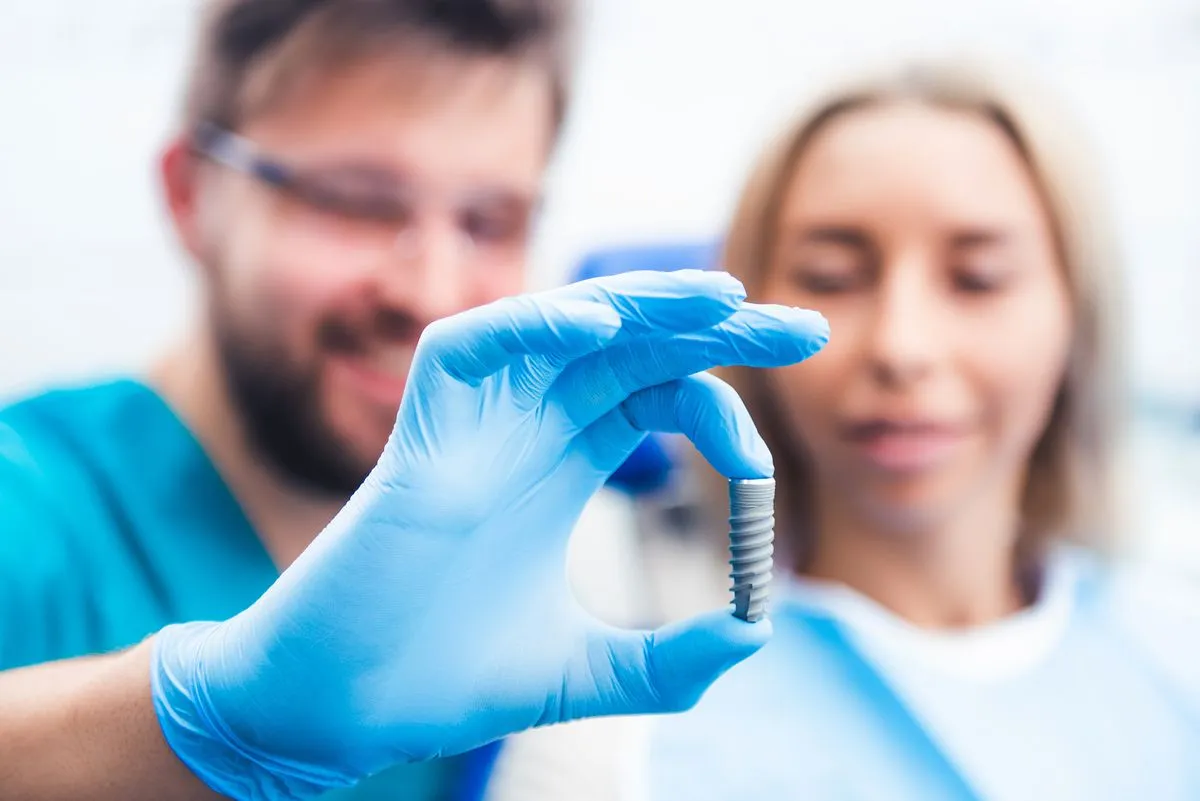
Peri-implantitis is the leading cause of late implant failure. It is essentially gum disease that develops around an implant rather than a natural tooth. Bacteria accumulate at the gumline, causing inflammation that progressively destroys the bone supporting the implant. Without treatment, the bone loss continues until the implant loses stability.
Peri-implantitis is preventable with consistent oral hygiene and regular professional cleanings, which is why I cannot overstate the importance of maintaining your dental appointments after implant placement. For more on recognizing the signs of gum disease around natural teeth and implants, see our article on gum disease warning signs.
Insufficient Bone Density or Volume
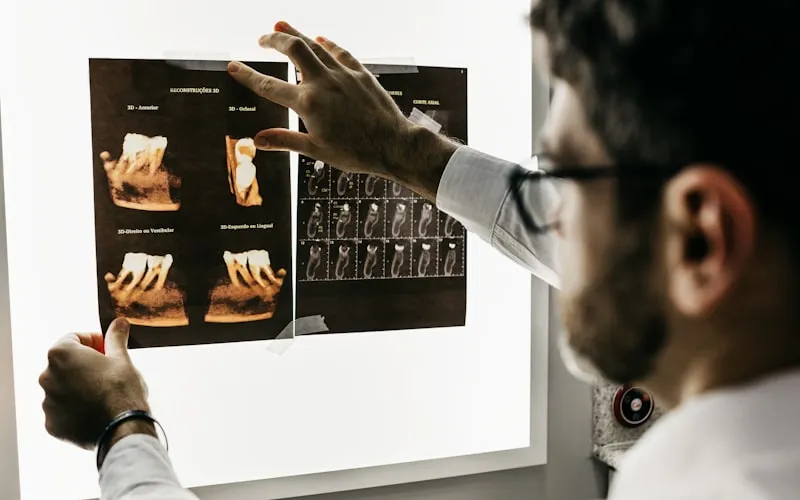
A dental implant needs a solid foundation. If the jawbone does not have adequate density or volume, the post may fail to integrate properly. This is why a thorough evaluation with 3D imaging is essential before surgery. When bone deficiency is identified, a bone graft can rebuild the area before or during implant placement.
Smoking and Tobacco Use
Smoking is one of the most significant modifiable risk factors for implant failure. Nicotine constricts blood vessels, reducing blood flow to the surgical site and weakening the long-term bond between implant and bone. Smokers experience implant failure rates two to three times higher than non-smokers. I strongly recommend quitting at least two weeks before surgery and remaining tobacco-free throughout healing.
Medical Conditions
Certain systemic conditions can affect implant success. Uncontrolled diabetes impairs healing and increases infection risk. Autoimmune disorders and immunosuppressive medications can compromise integration. Osteoporosis and bisphosphonate medications affect bone metabolism. None of these conditions automatically disqualify you from implants, but they require careful evaluation. A thorough medical history review is a non-negotiable part of responsible implant planning.
Poor Surgical Placement
The angle, depth, and position of an implant directly affect long-term success. An implant placed too close to a nerve, at an improper angle, or in thin bone is more likely to fail. This is why choosing an experienced implant dentist matters enormously. For more on what to expect, visit our dental implants service page.
Premature Loading (Overloading the Implant Too Soon)
After placement, an implant needs time to integrate with bone before bearing full chewing force. If a crown is attached too early, the bond can be disrupted. This form of early failure is largely preventable through proper treatment sequencing and following post-surgical instructions.
Teeth Grinding (Bruxism)
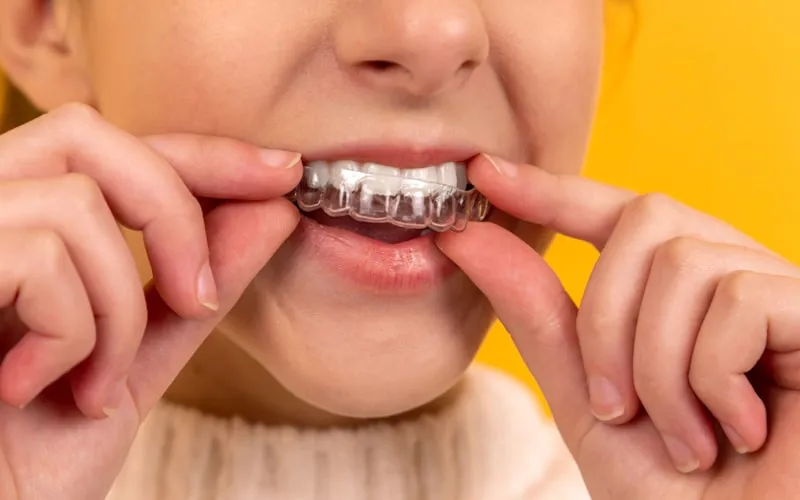
Chronic clenching and grinding places enormous forces on implants, potentially fracturing the crown, loosening the abutment, or compromising the bone-implant interface. Patients who grind should wear a custom night guard to protect both natural teeth and implants. Learn more in our article on whether dental implants hurt.
Warning Signs That Something Is Wrong
Recognizing the warning signs of implant trouble early gives you the best chance of saving the implant. Contact your dentist promptly if you experience any of the following.
Pain or discomfort around the implant. Pain that develops weeks, months, or years after placement — especially worsening pain — is not normal and needs evaluation.
Implant mobility. A healthy implant should feel as solid as a natural tooth. Any looseness is a serious warning sign.
Swelling or redness in surrounding gum tissue. Persistent inflammation suggests infection and requires professional evaluation.
Gum recession around the implant. Gum tissue pulling away from the implant may indicate bone loss beneath the surface.
Bleeding when brushing or flossing near the implant. Bleeding gums around an implant indicate inflammation and possible infection.
Difficulty chewing or bite changes. If the implant crown no longer fits comfortably or chewing feels different, something may have shifted.
The critical message: do not wait. Early intervention dramatically improves outcomes, and many developing problems can be treated non-surgically if caught soon enough.
What Happens If an Implant Fails
If an implant does fail, the situation is not hopeless. Here is the typical process.
Step 1: Removal. The failed implant is removed. If the implant has already lost its bond with the bone, removal is often straightforward and minimally invasive.
Step 2: Healing. The site is allowed to heal, typically for two to six months depending on the extent of bone loss and whether infection was present.
Step 3: Bone grafting (if needed). If significant bone was lost around the failed implant, a bone graft may be necessary to rebuild the area before a new implant can be placed.
Step 4: Replacement implant. Once the site has healed and adequate bone is present, a new implant can be placed. Success rates for replacement implants are comparable to first-time placements, especially when the original cause of failure has been addressed.
The timeline from failure to a fully restored replacement implant is typically six to twelve months, depending on the complexity of the case. For a broader look at implant costs and treatment timelines, see our guide on dental implant costs in Huntington Beach.
How to Prevent Dental Implant Failure
Prevention starts before surgery and continues for the life of the implant. Here are the most impactful strategies.
Choose an experienced implant dentist. The skill of your surgeon is the single biggest factor in success. Ask about training, experience, and how they plan each case.
Complete all recommended pre-surgical planning. This includes 3D imaging, medical history review, and preparatory procedures like bone grafting or periodontal treatment.
Follow post-surgical instructions exactly. Avoid smoking, eat soft foods during healing, and do not disturb the surgical site. Compliance during osseointegration is essential.
Maintain excellent oral hygiene. Brush twice daily, floss around your implant, and use recommended antimicrobial rinses.
Keep every follow-up appointment. Regular cleanings and exams allow your dentist to monitor bone levels and catch peri-implantitis early.
Address bruxism. If you grind your teeth, invest in a custom night guard.
Manage systemic health conditions. Keep diabetes controlled, communicate medication changes, and stay proactive about overall health.
For more on the long-term outlook, read our guide on how long dental implants last.
The Bottom Line
Dental implant failure is uncommon, and in the vast majority of cases, it is preventable. The combination of experienced surgical planning, patient commitment to oral hygiene, and consistent professional follow-up gives implants their remarkable success rate.
If you are considering implants and want to feel confident about the process, or if you have an existing implant and are experiencing any of the warning signs described above, I encourage you to reach out.
Call HB Dentist today at (714) 536-2571 or schedule a consultation online. With decades of experience in Huntington Beach, our team is here to give you the information, the care, and the peace of mind you deserve.
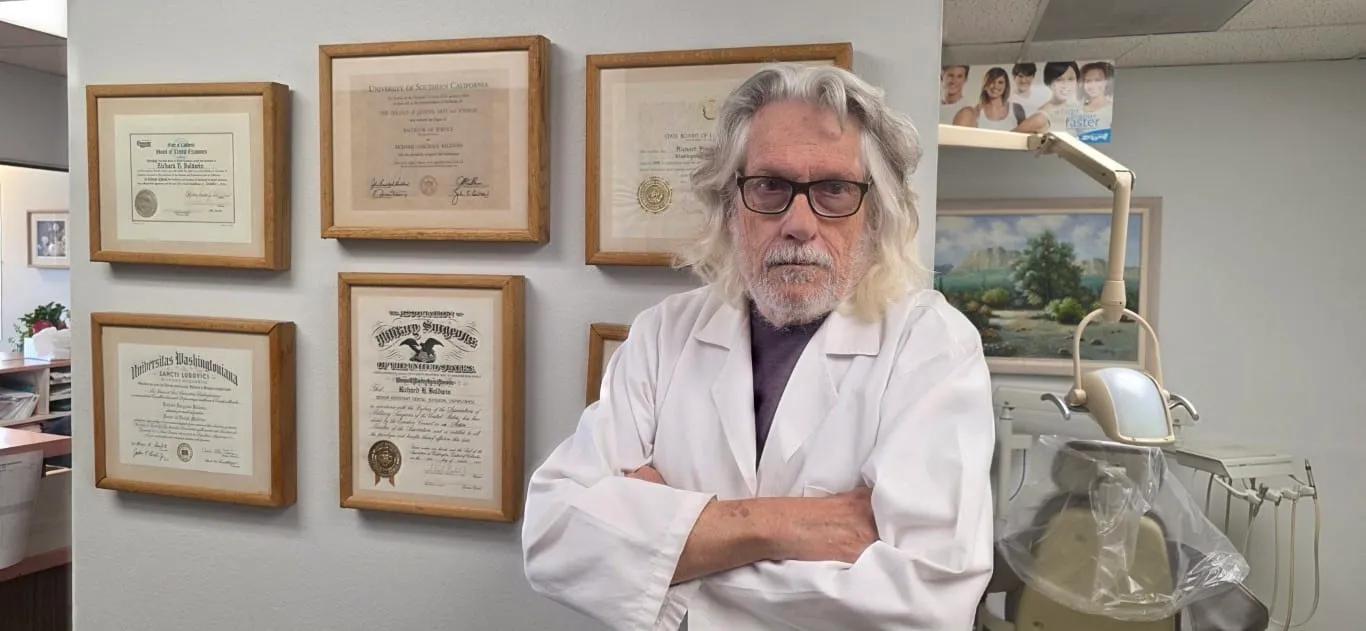
Written and clinically reviewed by Dr. Richard Baldwin, DMD General & cosmetic dentist in Huntington Beach since 1979 · Washington University School of Dental Medicine · Updated
Sources & further reading
- Dental implants — American Dental Association · MouthHealthy
- Dental implant surgery — American Association of Oral and Maxillofacial Surgeons
- Gum disease and implant health — American Academy of Periodontology
This guide is general dental information from a practicing dentist, not a diagnosis. Treatment recommendations and costs are confirmed at an in-person exam.