Jump to a section
I am Dr. Richard Baldwin, DMD, and after decades of practicing dentistry in Huntington Beach, I have seen thousands of patients walk through our doors with the same story: “I didn’t know anything was wrong until my teeth started feeling loose.” That is the reality of gum disease. It progresses quietly, often painlessly, and by the time most people notice the damage, the disease has already advanced well beyond its earliest and most treatable stage.
According to the Centers for Disease Control and Prevention, approximately 47% of adults aged 30 and older have some form of periodontal disease. That number climbs to over 70% for adults 65 and older. Gum disease is one of the most widespread chronic conditions in the United States, yet it remains one of the most underdiagnosed because people simply do not recognize the warning signs.
This article will walk you through exactly what gum disease is, the signs you should watch for, the risk factors that increase your chances, how the disease progresses, and what we can do to treat it at every stage.
What Is Gum Disease?
Gum disease, clinically known as periodontal disease, is a bacterial infection of the tissues that surround and support your teeth. It begins when plaque, a sticky film of bacteria, builds up along and beneath the gumline. When plaque is not removed through daily brushing and flossing, it hardens into tartar (calculus), which can only be removed by a dental professional.
There are two primary stages of gum disease, and understanding the difference between them is critical.
Gingivitis: The Early Stage
Gingivitis is the mildest form of gum disease. At this stage, the infection is limited to the gum tissue itself. The bone and connective fibers that hold your teeth in place have not yet been affected. The good news is that gingivitis is fully reversible with professional cleaning and consistent home care. If you are brushing properly twice a day and flossing daily, you are already taking the most important steps to prevent gingivitis from developing.
Periodontitis: The Advanced Stage
When gingivitis is left untreated, it can progress into periodontitis. At this stage, the infection moves below the gumline. Bacterial toxins and your body’s own inflammatory response begin to break down the bone and connective tissue that anchor your teeth. Pockets form between the gums and teeth, trapping more bacteria and accelerating the destruction. Unlike gingivitis, the damage caused by periodontitis is not fully reversible, though it can be managed and slowed with proper treatment.
10 Warning Signs of Gum Disease You Should Not Ignore
Many of these gum disease signs develop gradually, which is why they are easy to dismiss. Pay close attention if you notice any of the following.
1. Bleeding Gums When Brushing or Flossing
This is the single most common early sign. Healthy gums do not bleed during normal brushing or flossing. If you see pink in the sink, that is your body telling you there is inflammation present. Do not stop brushing or flossing the area. Instead, be gentle but consistent, and schedule a dental visit.
2. Red, Swollen, or Puffy Gums
Healthy gum tissue is firm and pale pink. Gums that appear dark red, swollen, or feel tender to the touch are showing signs of infection. Swelling indicates that your immune system is actively fighting bacteria along the gumline.
3. Persistent Bad Breath
Chronic bad breath, also called halitosis, that does not improve with brushing, flossing, or mouthwash often points to bacterial buildup beneath the gumline. The bacteria responsible for gum disease produce sulfur compounds that cause a distinct, unpleasant odor. For a deeper look at what causes persistent bad breath and how to address it, read our guide on bad breath causes and solutions.
4. Receding Gums
If your teeth appear longer than they used to, or if you can see the roots of your teeth becoming exposed, your gums are receding. Gum recession is a hallmark sign of progressing periodontal disease and leaves the tooth roots vulnerable to decay and sensitivity.
5. Gum Tenderness or Pain
While early gum disease is often painless, some patients experience tenderness or discomfort when chewing or when pressure is applied to certain areas. Any persistent gum pain warrants evaluation.
6. Deep Pockets Between Teeth and Gums
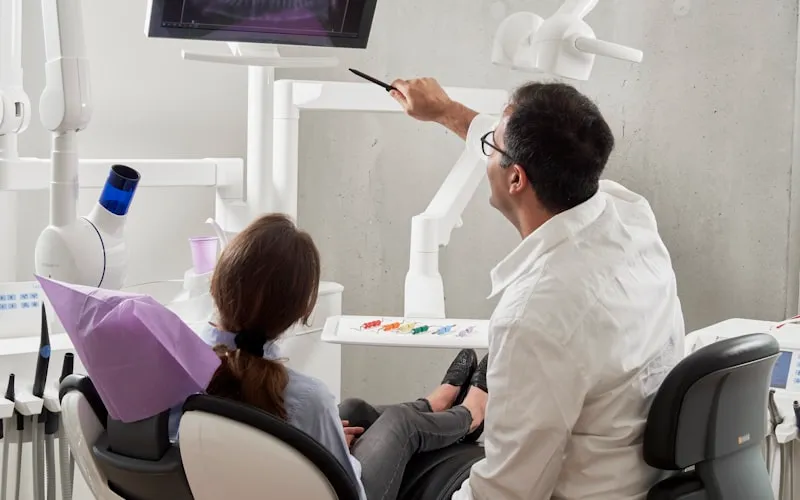
During your dental exam, we measure the depth of the spaces between your gums and teeth using a small probe. Healthy pockets measure 1 to 3 millimeters. Pockets deeper than 4 millimeters indicate that tissue attachment is being lost, a clear sign of periodontitis.
7. Loose or Shifting Teeth
As the bone supporting your teeth deteriorates, teeth can begin to feel loose or shift position. You may notice changes in how your teeth fit together when you bite down. This is a sign of advanced periodontal disease and requires immediate attention.
8. Pus Between Teeth and Gums
Visible pus or discharge between your teeth and gums is a sign of active infection. This is an urgent symptom that should prompt you to contact our office right away.
9. Changes in Your Bite
If the way your upper and lower teeth come together feels different, or if partial dentures no longer fit correctly, bone loss from periodontal disease may be altering your jaw structure.
10. Tooth Sensitivity to Hot or Cold
As gums recede and tooth roots become exposed, you may experience increased sensitivity to temperature changes. While sensitivity can have other causes, it frequently accompanies gum disease.
Risk Factors That Increase Your Chances
Certain factors make you more susceptible to developing gum disease, even if you maintain decent oral hygiene.
- Smoking and tobacco use — This is the single most significant risk factor. Smokers are far more likely to develop severe periodontal disease, and tobacco use reduces the effectiveness of treatment.
- Diabetes — Uncontrolled blood sugar impairs your body’s ability to fight infection, including infections in the gums. The relationship goes both ways: gum disease can make it harder to control blood sugar levels.
- Hormonal changes — Pregnancy, menstruation, and menopause can make gums more sensitive and more vulnerable to gingivitis.
- Medications — Certain drugs, including some blood pressure medications, anticonvulsants, and immunosuppressants, can reduce saliva flow or cause gum tissue overgrowth.
- Genetics — Some individuals are genetically predisposed to periodontal disease, even with excellent oral care.
- Poor nutrition — A diet lacking in essential vitamins, particularly vitamin C, weakens your body’s immune defenses.
- Stress — Chronic stress impairs your immune response, making it harder for your body to fight the bacteria that cause gum disease.
How Gum Disease Progresses
Understanding the stages of progression helps illustrate why early detection matters so much.
Stage 1: Gingivitis. Bacterial plaque triggers inflammation in the gums. You may notice slight bleeding and redness. No bone loss has occurred. This stage is completely reversible.
Stage 2: Early periodontitis. The infection begins to affect the bone. Pocket depths increase to 4-5 millimeters. Minor bone loss is visible on dental X-rays. Damage at this stage is not reversible but can be halted.
Stage 3: Moderate periodontitis. Pocket depths reach 6-7 millimeters. Significant bone loss occurs, and teeth may begin to loosen. Bacterial damage extends deeper into the supporting structures.
Stage 4: Advanced periodontitis. Severe bone loss, deep pockets exceeding 7 millimeters, tooth mobility, and potential tooth loss. At this stage, saving affected teeth becomes difficult, and dental implants may become necessary to restore function and appearance.
Treatment Options for Gum Disease
Our gum disease treatment in Huntington Beach page explains how we chart pocket depths, perform deep cleaning, and re-measure to confirm the treatment worked.
The treatment we recommend depends entirely on how far the disease has progressed. The earlier we catch it, the simpler and less invasive the treatment.
Professional Cleaning and Improved Home Care
For gingivitis, a thorough professional cleaning combined with better daily brushing and flossing habits is often all that is needed. We will show you proper technique and recommend the right tools for your situation. Regular visits, as outlined in our guide on how often you should visit the dentist, are essential for catching problems early.
Scaling and Root Planing (Deep Cleaning)
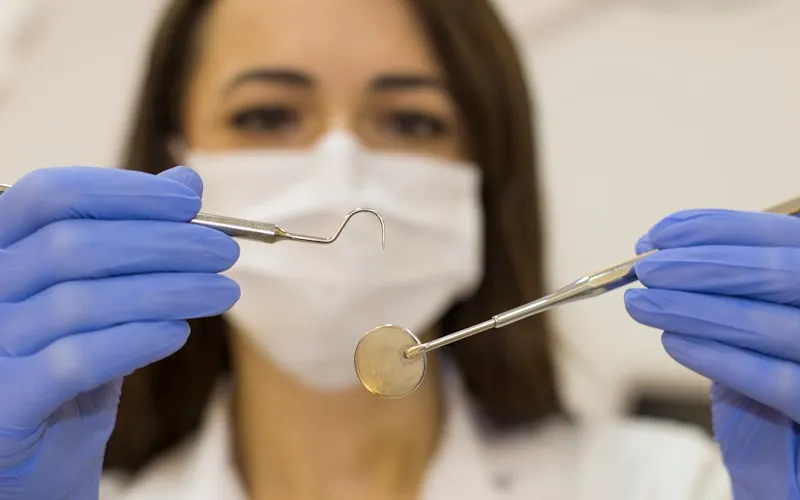
For early to moderate periodontitis, scaling and root planing is the gold standard non-surgical treatment. This procedure involves carefully removing plaque and tartar from below the gumline (scaling) and smoothing the root surfaces (planing) so the gums can reattach to the teeth. The procedure is performed under local anesthesia and may be completed over two or more visits depending on the extent of disease.
Antibiotic Therapy
In some cases, we use localized or systemic antibiotics to help control bacterial infection. Localized antibiotics are placed directly into periodontal pockets after scaling and root planing. Systemic antibiotics may be prescribed for more widespread infections.
Surgical Treatment
When non-surgical treatments are not sufficient to control the disease, surgical options may be necessary. These include flap surgery (pocket reduction surgery), where the gums are lifted back to allow deeper cleaning and the bone is reshaped, and bone or tissue grafts to regenerate lost structures. We work closely with periodontal specialists to ensure our patients receive the highest level of care when surgery is indicated.
The Connection Between Gum Disease and Your Overall Health
One of the most important developments in dental research over the past two decades is the growing body of evidence linking periodontal disease to serious systemic health conditions.
Heart disease. The American Heart Association has acknowledged the association between periodontal disease and cardiovascular disease. The chronic inflammation caused by gum disease may contribute to the buildup of arterial plaque, increasing the risk of heart attack and stroke.
Diabetes. The relationship between diabetes and gum disease is bidirectional. Diabetes increases the risk of periodontal disease, and severe periodontal disease can negatively affect blood sugar control, creating a dangerous cycle.
Respiratory disease. Bacteria from infected gums can be inhaled into the lungs, potentially contributing to pneumonia and other respiratory infections, particularly in older adults.
Pregnancy complications. Research has linked periodontal disease to preterm birth and low birth weight. Pregnant women should be especially diligent about gum health.
These connections underscore a point I make to every patient: taking care of your gums is not just about saving your teeth. It is about protecting your overall health.
Prevention Starts With Daily Habits
Preventing gum disease is far simpler and more affordable than treating it. Here is what I recommend to every patient.
- Brush twice daily for two full minutes using a soft-bristled toothbrush and fluoride toothpaste. Make sure you are using proper brushing technique to effectively clean along the gumline.
- Floss once daily. Brushing alone only reaches about 60% of tooth surfaces. Flossing is the only way to remove plaque from between teeth and below the gumline where your brush cannot reach. If you need a refresher on technique, see our step-by-step guide on how to floss properly.
- Visit your dentist regularly. Professional cleanings remove tartar that home care cannot. Regular exams allow us to detect gum disease signs before they become serious. Learn more about how often you should schedule visits.
- Quit tobacco. If you smoke or use tobacco products, stopping is the single best thing you can do for your gum health.
- Manage chronic conditions. If you have diabetes or other conditions that affect your immune system, work closely with your medical team to keep them well controlled.
- Eat a balanced diet. Nutrient-rich foods support immune function and tissue healing.
Do Not Wait for Pain to Take Action
If you have noticed any of the gum disease signs described in this article, I urge you to schedule an appointment at our Huntington Beach office. The earlier we diagnose and treat periodontal disease, the better your outcome will be. In many cases, we can stop the disease in its tracks and prevent the kind of irreversible damage that leads to tooth loss.
Call HB Dentist today at (714) 536-2571 or request an appointment online. Your gums, your teeth, and your overall health are worth it.
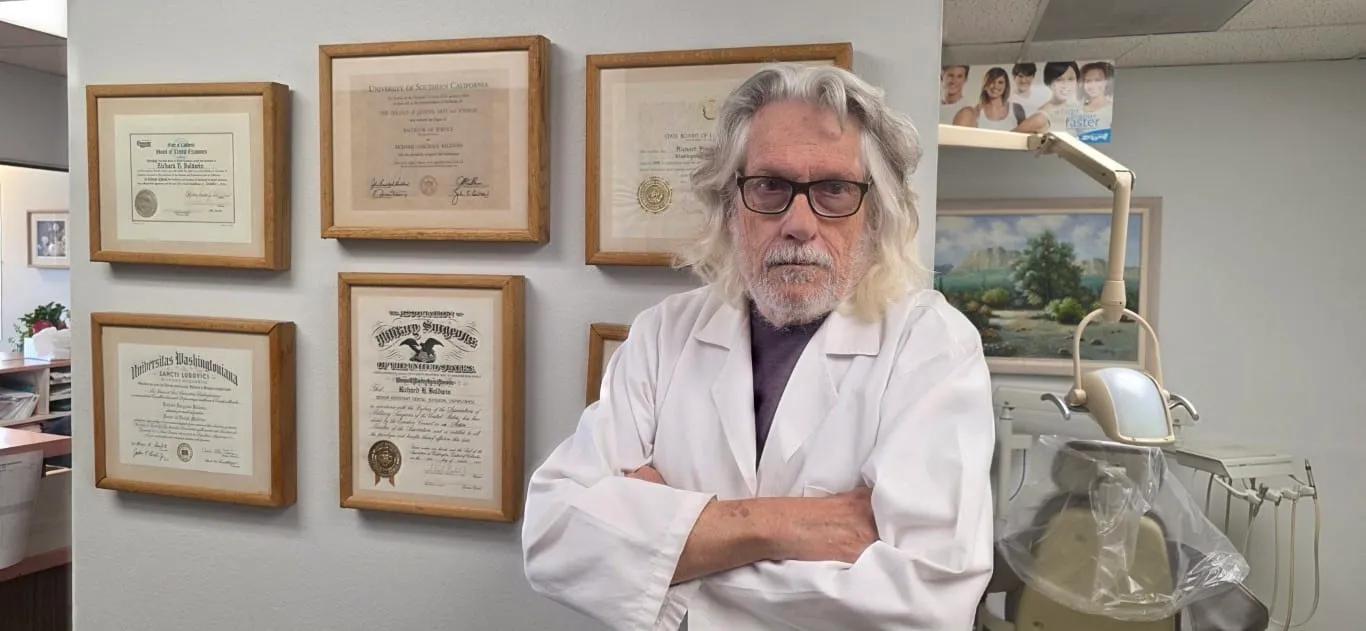
Written and clinically reviewed by Dr. Richard Baldwin, DMD General & cosmetic dentist in Huntington Beach since 1979 · Washington University School of Dental Medicine · Updated
Sources & further reading
- Periodontal (gum) disease — National Institute of Dental and Craniofacial Research (NIH)
- Gum disease — American Dental Association · MouthHealthy
- Periodontal treatments and procedures — American Academy of Periodontology
This guide is general dental information from a practicing dentist, not a diagnosis. Treatment recommendations and costs are confirmed at an in-person exam.