Jump to a section
- The Two Parts of a Dental Implant — and Why That Matters
- Factors That Affect How Long Dental Implants Last
- Implant Failure Rates Are Remarkably Low
- Signs Your Implant Needs Attention
- Your Implant Maintenance Routine
- When Does an Implant Crown Need Replacement?
- The Long-Term Value of Dental Implants
- Protect Your Smile for the Long Run
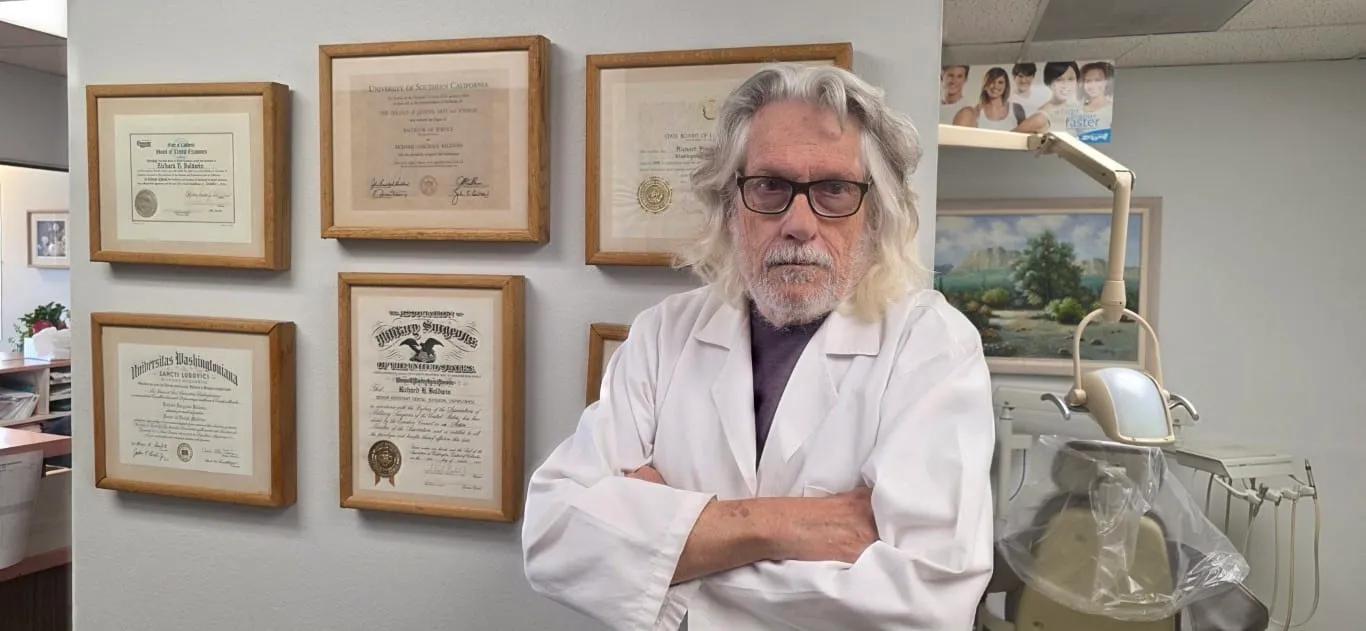
If you are considering dental implants or already have them, you are probably wondering: how long do dental implants last? I am Dr. Richard Baldwin, DMD, and after decades of practicing dentistry in Huntington Beach, I can tell you the answer is one of the most encouraging things in modern dentistry. With proper care and skilled placement, a dental implant can serve you for the rest of your life.
Here is what that really means, what determines implant longevity, and what you can do to protect your investment.
The Two Parts of a Dental Implant — and Why That Matters
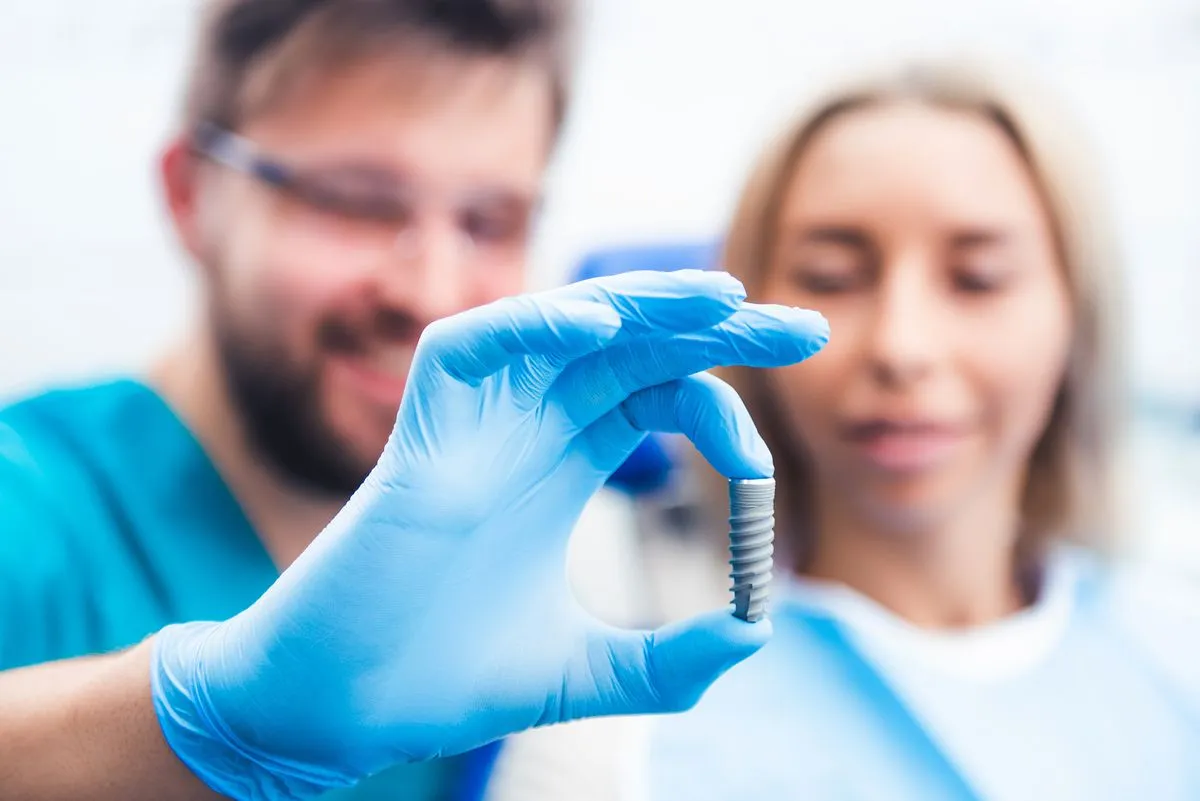
A dental implant is actually a system of three components: the titanium post surgically placed into your jawbone, the abutment connecting the post to the visible tooth, and the crown that sits on top and functions like a natural tooth. Each part has a different expected lifespan.
The implant post is made from biocompatible titanium. Once it fuses with your jawbone through osseointegration, that post becomes a permanent part of your anatomy. With proper oral care, the implant post can last a lifetime. Studies tracking patients for 20 to 30 years show survival rates above 95 percent, and there is no built-in expiration date. Titanium does not decay, develop cavities, or wear down the way natural enamel does.
The crown — the visible, functional part — is a different story. Implant crowns are typically made from porcelain, zirconia, or porcelain fused to metal. These materials are durable but do experience wear over time. Most implant crowns last between 10 and 15 years before needing replacement. Some patients get 20 years or more, while heavy grinders may need a new crown sooner.
The good news is that replacing a crown is a straightforward, non-surgical procedure. Your implant post stays right where it is, and we simply fabricate a new crown to attach to it.
If you want a deeper look at the post itself, see our guide to titanium dental implants and zirconia alternatives.
Dr. Baldwin has watched implants age over decades — read his long-term answer on implant lifespan.
Factors That Affect How Long Dental Implants Last
Implant longevity is not purely a matter of luck. Several factors play a direct role in how long your dental implants will last.
Oral Hygiene
This is the single biggest factor within your control. Implants cannot get cavities, but the gum tissue and bone around them are vulnerable to infection. Peri-implantitis — gum disease around an implant — is the leading cause of implant failure after successful placement. Consistent brushing, flossing, and professional cleanings keep bacteria in check and protect the foundation holding your implant in place.
Smoking and Tobacco Use
Smoking restricts blood flow to the gums and jawbone, slowing healing after surgery and weakening the long-term bond between the post and bone. Smokers have implant failure rates roughly two to three times higher than non-smokers. If you use tobacco, reducing or quitting before and after surgery is one of the most impactful things you can do for your outcome.
Teeth Grinding (Bruxism)
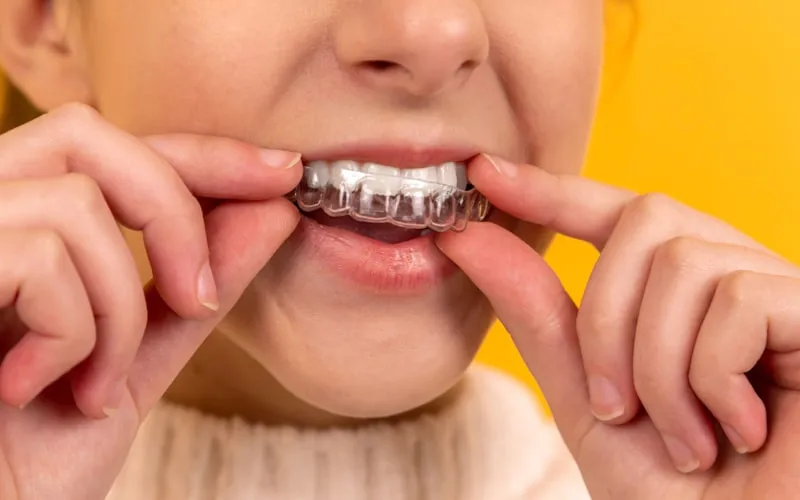
Chronic clenching and grinding places excessive force on your implant crown and the post beneath it. Over time, this can crack the crown, loosen the abutment, or compromise osseointegration. If you grind your teeth, wearing a custom night guard while sleeping can dramatically extend the life of both the crown and the post. I recommend night guards to many of my implant patients as simple insurance.
Bone Density and Volume
A dental implant needs a solid foundation. Patients with adequate jawbone density tend to have better long-term outcomes. When bone loss has occurred — often from prolonged tooth loss or periodontal disease — a bone graft may be needed before or during placement to create a stable base. We evaluate bone quality with 3D imaging before any surgical plan is finalized.
Quality of Placement
The skill of your implant dentist, the quality of the implant system, and the precision of the surgical plan all influence how well the post integrates and handles years of biting forces. Proper angulation, depth, and positioning are critical. Experience matters enormously here, which is why I encourage patients to ask detailed questions when evaluating their options. If your first concern is is the procedure painful?, I explain the surgery and recovery experience separately. Learn more about the procedure on our dental implants page.
Implant Failure Rates Are Remarkably Low
The overall failure rate for dental implants is less than 5 percent. The vast majority placed by experienced clinicians integrate successfully and remain stable for decades.
When failure does occur, it typically happens in one of two windows. Early failure takes place within the first few months, before osseointegration is complete, and usually relates to infection, insufficient bone, or loading the implant too soon. Late failure can happen years later and is typically linked to peri-implantitis, uncontrolled grinding, or systemic health changes.
The key takeaway: implant failure is uncommon, and many risk factors are manageable with the right preventive approach. For a more detailed look at why implants sometimes fail and how to avoid it, see our guide on dental implant failure.
Signs Your Implant Needs Attention
Early intervention can prevent a minor issue from becoming a serious one. Watch for these warning signs:
- Persistent pain or discomfort around the implant site after the healing period
- Swelling or redness in the surrounding gum tissue
- Bleeding when brushing or flossing around the implant
- A feeling of looseness in the implant or crown
- Gum recession around the implant, exposing the abutment
- Difficulty chewing or a change in your bite
If you notice any of these, schedule an appointment promptly. Catching peri-implantitis or a mechanical issue early gives us far more treatment options and a much better chance of saving the implant.
Your Implant Maintenance Routine
Maintaining dental implants is not complicated, but it does require consistency.
Daily care:
- Brush at least twice a day with a soft-bristled or electric toothbrush.
- Floss daily using unwaxed tape floss, a water flosser, or an interdental brush designed for implants. Tools that clean beneath the crown and around the abutment are ideal.
- Use an antimicrobial, alcohol-free mouthwash to reduce bacteria around the implant.
Professional care:
- Visit our office every six months for cleanings with implant-safe instruments that will not scratch the titanium surface.
- Annual X-rays to monitor bone levels and catch early signs of bone loss.
This routine is similar to caring for natural teeth, but the consequences of neglecting it can be more significant — infection around an implant can progress faster than around a natural tooth.
When Does an Implant Crown Need Replacement?
You will typically know it is time for a new crown when you notice visible wear, chipping, or cracking. Some patients report that the crown feels different when biting down or that food catches where it did not before. During regular checkups, we evaluate crown condition and will let you know when replacement is approaching.
Replacing an implant crown is simple. We take new impressions or a digital scan, send them to our lab, and bond the new crown to your existing abutment. No surgery, minimal discomfort, and you walk out the same day with a restoration that looks and feels brand new.
The Long-Term Value of Dental Implants
When patients ask about dental implant costs, I encourage them to think in terms of long-term value rather than upfront price alone.
A dental bridge typically lasts 7 to 10 years and requires modifying healthy adjacent teeth. Over 30 years, you may need three or more bridges, each with lab fees and potential complications for the supporting teeth. Dentures need relining and replacement every 5 to 8 years and do nothing to prevent jawbone loss. See our detailed comparison of dental implants vs. dentures.
An implant preserves your jawbone, functions independently without affecting neighboring teeth, and — with one or two crown replacements over the decades — can serve you for life. When you calculate cost per year of function, implants are often the most economical option.
Protect Your Smile for the Long Run
Dental implants are one of the most reliable solutions in all of dentistry. With a failure rate below 5 percent, a titanium post that can last a lifetime, and a simple maintenance routine, they offer something few other restorations can: genuine peace of mind.
If you are considering dental implants, have questions about an existing implant, or are due for a checkup, I would be glad to see you at HB Dentist in Huntington Beach. Call (714) 536-2571 or request an appointment online to get started.
