Jump to a section
Most people think of dental health as something that happens in the bathroom. But some of the most important decisions you make for your teeth happen in the kitchen. I am Dr. Richard Baldwin, DMD, and after decades of practicing dentistry at HB Dentist in Huntington Beach, I have seen firsthand how diet shapes oral health over a lifetime.
This guide covers the nutrients your teeth need, the best foods to eat, the worst foods to avoid, and practical strategies for building a tooth-friendly diet.
The Nutrients Your Teeth Need
The enamel covering your teeth is the hardest substance in your body, but it relies on specific nutrients to stay strong. Here are the five that matter most.
Calcium
Calcium is the primary building block of tooth enamel and jawbone. When dietary calcium is insufficient, your body pulls calcium from bones and teeth to maintain blood calcium levels — weakening dental structures. Adults need 1,000 to 1,200 milligrams daily.
Phosphorus
Phosphorus works alongside calcium to form hydroxyapatite, the mineral crystal that gives enamel its hardness. Without adequate phosphorus, calcium alone cannot do its job. Most adults need about 700 milligrams daily.
Vitamin D
Vitamin D is essential for calcium absorption. Without it, your body cannot use the calcium you consume. Deficiency is remarkably common, especially in adults who spend most of their time indoors.
Vitamin C
Vitamin C supports collagen production — the structural protein that holds gum tissue together. Deficiency weakens gums and increases susceptibility to periodontal disease. It also supports immune function against bacterial infections.
Vitamin A
Vitamin A supports saliva production and maintains the mucous membranes lining your mouth. Saliva is your first defense against acid and bacteria, so healthy saliva flow contributes directly to enamel protection.
Top 15 Foods That Strengthen Your Teeth
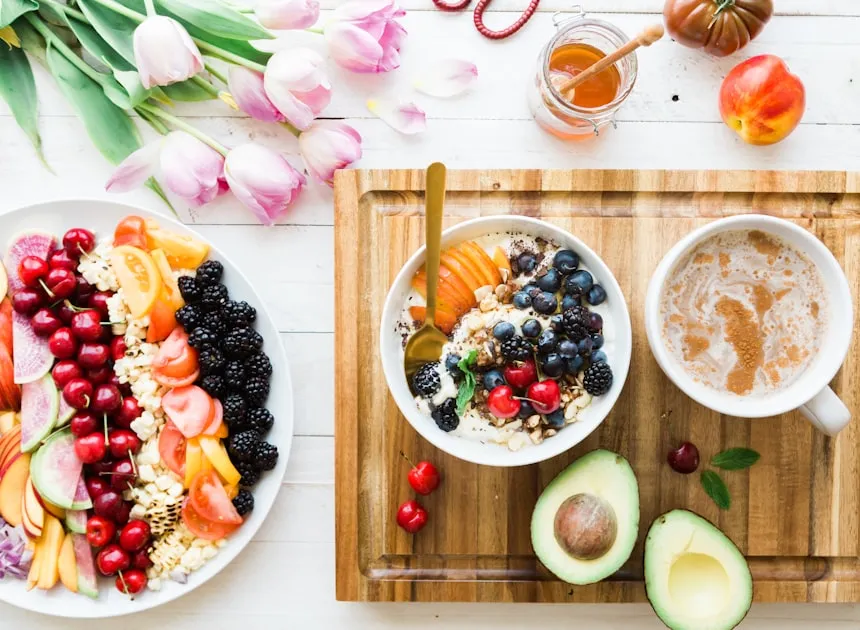
With those nutrients in mind, here are the best foods you can eat to support strong, healthy teeth.
1. Cheese
Cheese is rich in calcium and phosphorus, and chewing it stimulates saliva production. It also contains casein, a protein that strengthens enamel. Studies show that eating cheese after a meal raises mouth pH, reducing acid exposure and cavity risk.
2. Yogurt (Plain, Unsweetened)
Yogurt provides calcium, phosphorus, and probiotics that may help suppress cavity-causing bacteria. Choose plain, unsweetened varieties — flavored yogurts often contain as much sugar as candy.
3. Milk
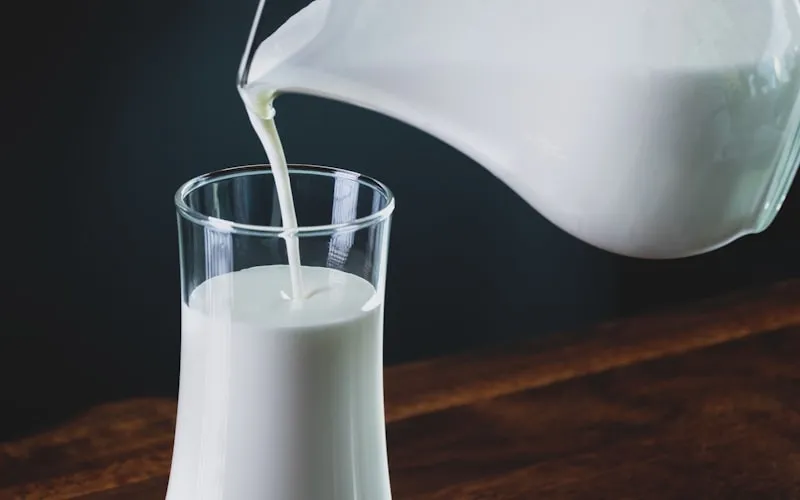
Milk delivers calcium, phosphorus, vitamin D (when fortified), and casein in one serving. Drinking milk after acidic or sugary foods helps neutralize acid. For those who are lactose intolerant, calcium-fortified plant milks provide similar benefits.
4. Leafy Greens (Kale, Spinach, Collard Greens)
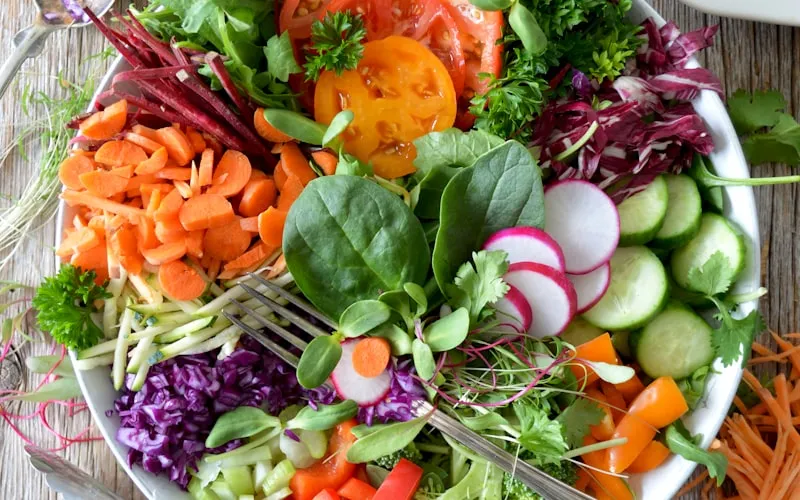
Dark leafy greens are packed with calcium, vitamin C, and folic acid. Kale contains more calcium per calorie than almost any other food. Adding spinach to a smoothie or salad is one of the easiest dietary upgrades you can make.
5. Salmon and Fatty Fish
Salmon, sardines, and mackerel are among the best sources of vitamin D, essential for calcium absorption. They also provide anti-inflammatory omega-3 fatty acids that benefit gum tissue.
6. Almonds
Almonds deliver calcium and protein with very little sugar. They require significant chewing, which stimulates saliva flow. Just bite carefully if you have crowns or veneers.
7. Celery
Celery acts as a natural toothbrush. Its fibrous texture stimulates saliva and physically scrubs tooth surfaces. It also provides vitamins A and C — an excellent snack choice between meals.
8. Carrots
Raw carrots are crunchy, fibrous, and stimulate saliva production while delivering vitamin A. Chewing carrot sticks after a meal is a simple habit with genuine dental benefits.
9. Apples
The act of biting and chewing an apple stimulates gums, increases saliva flow, and dislodges food particles. Apples contain natural sugar, but fiber and mechanical cleaning offset much of the risk. Eat them whole rather than juiced.
10. Strawberries
Strawberries are rich in vitamin C, supporting gum health and collagen production. Their fiber and water content make them a far better sweet snack than processed alternatives.
11. Sweet Potatoes
Sweet potatoes provide vitamin A, supporting saliva production and healthy mucous membranes. They are naturally sweet without the concentrated sugars found in processed foods.
12. Eggs
Eggs deliver vitamin D, phosphorus, and protein. For patients who do not eat much fish or get limited sun exposure, eggs are a practical way to support calcium absorption.
13. Broccoli
Broccoli delivers calcium, vitamin C, and fiber. It also contains iron, which helps form an acid-resistant barrier on enamel.
14. Green Tea
Green tea contains catechins that suppress cavity-causing bacteria and reduce acid production. It also contains natural fluoride. Drink it unsweetened between meals for measurable dental benefits.
15. Water (Especially Fluoridated)
Drinking water rinses away food particles and bacteria, dilutes acid, and supports saliva production. Fluoridated tap water provides a continuous supply of fluoride that strengthens enamel. It is one of the simplest things you can do for your teeth.
The Worst Foods for Your Teeth
Just as certain foods build enamel up, others break it down. Here are the biggest offenders.
Sugary sodas and energy drinks. These combine high sugar with extreme acidity, creating a double attack on enamel. For more on acid erosion, see our article on tooth enamel and everyday acid erosion.
Sticky candy and gummy snacks. Caramels, taffy, and gummy bears cling to tooth surfaces, giving bacteria a prolonged sugar supply.
Citrus fruits consumed in excess. Oranges, lemons, and grapefruits are nutritious, but their citric acid can erode enamel when consumed frequently. Rinse with water afterward.
Starchy refined carbohydrates. White bread, chips, and crackers break down into simple sugars and pack into grooves between teeth.
Alcohol. Alcohol dries out the mouth, reducing saliva flow and removing a primary defense against bacteria.
Meal Timing and Dental Health
When you eat matters almost as much as what you eat. Every time food enters your mouth, bacteria produce acid for 20 to 30 minutes. Three meals mean three acid attacks; six snacks mean six.
Eat meals rather than grazing. Consolidating food intake into distinct meals reduces total acid attacks per day.
Drink water between meals. Water rinses the mouth and supports remineralization.
End meals with cheese or milk. Calcium-rich foods neutralize acid and kickstart remineralization.
Wait 30 minutes to brush after acidic foods. Acid temporarily softens enamel. Brushing too soon can remove softened enamel — rinse with water first, then brush later.
Smart Snacking Strategies
If you do snack between meals, choose options that support rather than undermine your dental health.
- Raw vegetables with hummus
- A handful of almonds or walnuts
- Plain yogurt with no added sugar
- Cheese cubes or string cheese
- Apple slices (rinse with water after)
- Celery with almond butter
Avoid the vending machine staples — chips, cookies, candy, and soda — that fuel the acid cycle between meals.
Should You Take Supplements?
If your diet consistently provides adequate calcium, vitamin D, phosphorus, and vitamins A and C, supplements may not be necessary. However, many adults fall short. Vitamin D is the most commonly deficient nutrient relevant to dental health — a supplement of 1,000 to 2,000 IU daily is worth discussing with your doctor if you get limited sun exposure. Calcium supplements may benefit patients who avoid dairy. Always talk to your physician before starting a supplement regimen.
The Role of Saliva: Your Mouth’s Built-In Defense
Saliva washes away food debris, neutralizes acid, delivers calcium and phosphate to enamel, and contains antibacterial proteins. Everything that promotes saliva production — chewing fibrous foods, staying hydrated, breathing through your nose — supports enamel strength. If you experience chronic dry mouth, tell your dentist. Dry mouth dramatically increases cavity risk, and we can recommend strategies to restore moisture.
Build a Tooth-Friendly Diet Starting Today
You do not need a radical dietary overhaul to protect your enamel. Small, consistent changes add up. Swap one sugary snack for cheese or raw vegetables. Drink water instead of soda with lunch. Add a serving of leafy greens to dinner. Choose plain yogurt over flavored. These are manageable shifts that compound into measurable dental benefits over months and years.
Combined with proper brushing technique, daily flossing, protective dental sealants, and regular dental visits, a nutrient-rich diet gives your teeth the best possible chance at long-term strength and health.
If you have questions about how your diet may be affecting your oral health, or if you are due for a checkup, I would be glad to help.
Call HB Dentist today at (714) 536-2571 or schedule your visit online. Our Huntington Beach office has been helping patients build healthier smiles for decades — and great dental health starts with what you put on your plate.
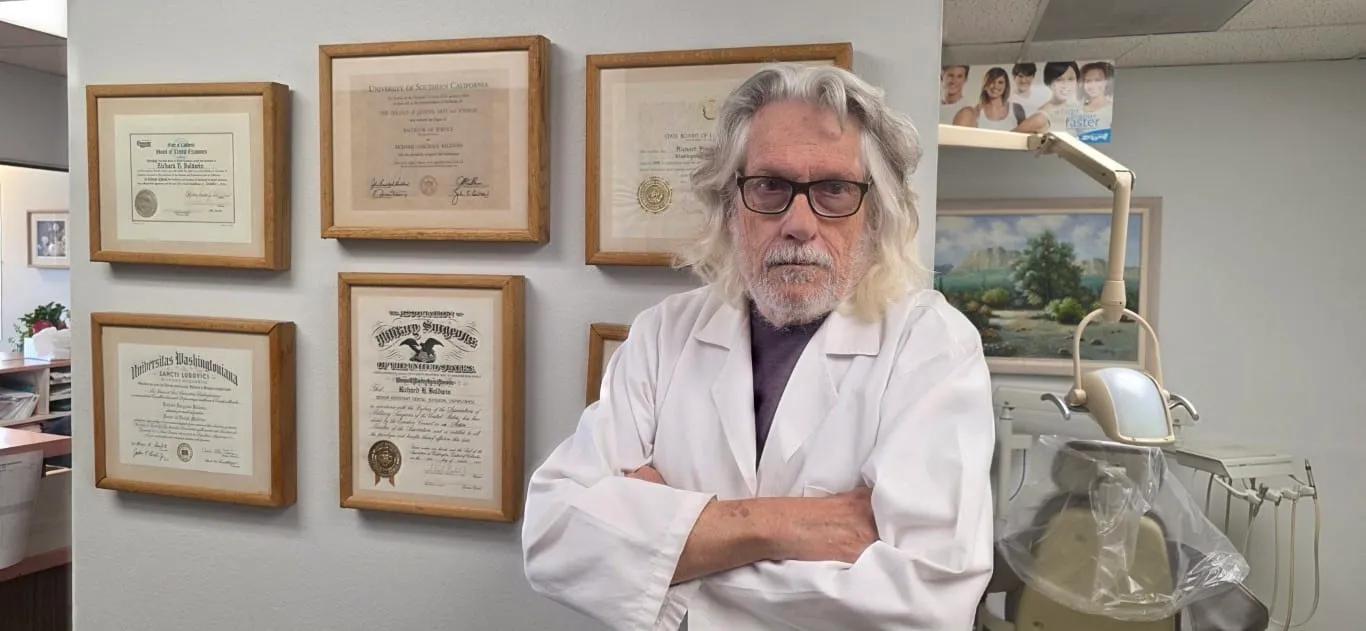
Written and clinically reviewed by Dr. Richard Baldwin, DMD General & cosmetic dentist in Huntington Beach since 1979 · Washington University School of Dental Medicine · Updated
Sources & further reading
- Brushing your teeth — American Dental Association · MouthHealthy
- Flossing — American Dental Association · MouthHealthy
- Dental X-rays — American Dental Association · MouthHealthy
- Tooth decay — National Institute of Dental and Craniofacial Research (NIH)
This guide is general dental information from a practicing dentist, not a diagnosis. Treatment recommendations and costs are confirmed at an in-person exam.