Jump to a section
- Why Asking Questions Matters More Than You Think
- Before Treatment: Questions That Set the Foundation
- About Costs: Questions That Protect Your Wallet
- About Alternatives: Questions That Expand Your Options
- About Prevention: Questions That Save You Money Long-Term
- How Dr. Baldwin’s Office Encourages Every Patient to Speak Up
- Take Your List to Your Next Appointment
Walking into a dental office can feel intimidating, especially when you are facing a procedure you have never had before. Maybe you nod along as the dentist explains things, then drive home wishing you had spoken up. You are not alone. After decades of practicing dentistry right here in Huntington Beach, Dr. Richard Baldwin, DMD has seen thousands of patients hold back the very questions that would give them peace of mind. The truth is, the questions to ask your dentist before, during, and after treatment are the single best tool you have for taking control of your oral health.
This guide walks you through 10 essential questions organized by the moment they matter most. Print it, save it on your phone, or simply read through it before your next appointment so you walk into the chair feeling prepared instead of anxious.
Why Asking Questions Matters More Than You Think
Dentistry is a partnership. When you ask questions, three important things happen. First, you understand exactly what is going on inside your mouth, which reduces the fear of the unknown. If dental anxiety has ever kept you from scheduling an appointment, you already know how powerful that clarity can be. Second, you make better decisions because you hear all your options rather than defaulting to the first recommendation. Third, you build trust with your dentist, and trust leads to consistency, which is the real secret behind a healthy smile.
Dr. Baldwin puts it simply: “A patient who asks questions is a patient who follows through with care. And that follow-through is what keeps teeth healthy for a lifetime.”
Before Treatment: Questions That Set the Foundation
These first questions should come up the moment a procedure is recommended. They help you understand the “why” before you ever discuss the “how.”
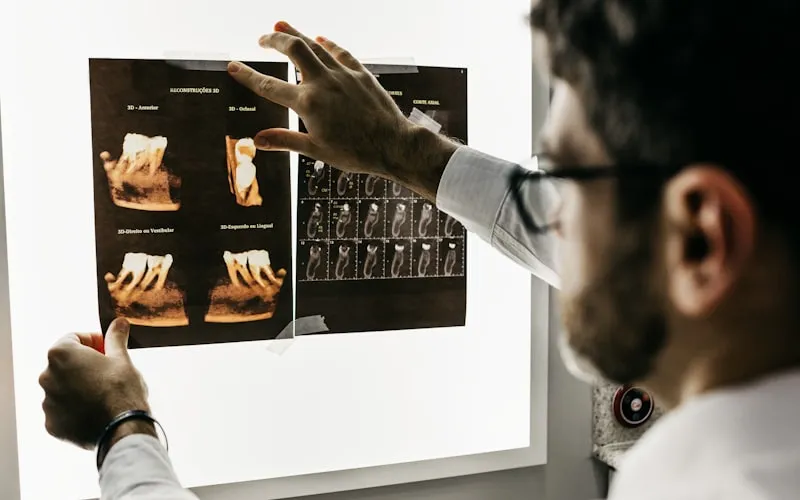
1. What exactly is the problem, and can you show me on the X-ray?
Modern digital X-rays make it easy for your dentist to point to the exact area of concern. Seeing the issue with your own eyes turns an abstract diagnosis into something concrete. Do not be shy about asking your dentist to zoom in, circle the spot, or compare it to a healthy area on the same image. At our Huntington Beach office, we pull up images on a screen right next to the chair so every patient can see what we see.
2. What happens if I choose to wait or do nothing?
Not every dental issue is an emergency. Some conditions, like a small area of early decay, can be monitored for a short period under the right circumstances. Others, like a cracked tooth or advancing gum disease, can escalate quickly and become far more expensive to treat later. Understanding the timeline of consequences helps you weigh urgency against your schedule and budget.
3. Is this the most conservative option available?
Conservative dentistry means preserving as much of your natural tooth structure as possible. Sometimes a smaller filling is just as effective as a crown, and sometimes it is not. Asking this question signals to your dentist that you value your natural teeth, and it opens the door for a candid conversation about why a particular approach was chosen over a less invasive one.
About Costs: Questions That Protect Your Wallet
Finances should never be a barrier to understanding your treatment, yet many patients feel awkward bringing up money. Do not. A good dental office expects these questions and answers them openly.
4. What is the total cost, including follow-up visits?
Get the full number, not just the procedure fee. Ask whether the estimate includes the consultation, any preparatory work, the procedure itself, and post-operative check-ups. If you are considering something like dental implants, knowing the complete investment from start to finish prevents surprises down the road.
5. How does my insurance apply, and what will my out-of-pocket cost be?
Insurance benefits vary wildly depending on your plan, your remaining annual maximum, and whether the procedure is classified as preventive, basic, or major. Our front-office team verifies benefits before treatment whenever possible, but you should still ask for a written estimate that breaks down what insurance covers and what you owe. For a deeper look at how dental insurance works and how to maximize your benefits, read our dental insurance guide.
6. Do you offer payment plans or financing?
Many dental offices, including ours, offer flexible payment options so you do not have to choose between your health and your budget. Ask about in-house payment plans, third-party financing, or whether a discount applies for paying in full at the time of service.

About Alternatives: Questions That Expand Your Options
Dentistry rarely has a single solution to a problem. The best dentists present alternatives and help you choose the one that fits your life.
7. What are the alternatives to this procedure, and how do they compare?
For almost every dental issue, there is more than one path forward. A missing tooth can be replaced with an implant, a bridge, or a partial denture. A damaged tooth might be saved with a crown, repaired with bonding, or in some cases extracted and replaced. Each option carries different costs, timelines, durability, and aesthetic outcomes. Ask your dentist to walk you through at least two alternatives so you can make an informed comparison.
8. What are the risks and potential complications of each option?
Every procedure carries some degree of risk, even routine ones. Understanding possible complications, how common they are, and how they would be managed gives you realistic expectations. It also helps you evaluate whether a less invasive alternative might be worth considering, even if the long-term outcome is slightly different.
About Prevention: Questions That Save You Money Long-Term
The least expensive dental work is the work you never need. These questions shift the conversation from fixing problems to preventing them.
9. What can I do at home to prevent this issue from coming back?
Whether you just had a cavity filled or a deep cleaning for gum disease, your daily habits at home will determine whether the problem returns. Ask your dentist for specific guidance, not just “brush and floss more.” What type of toothbrush? Which floss or interdental tool? Should you add a mouthwash or a water flosser? The more specific the advice, the more likely you are to follow it.
10. How often should I come in for check-ups based on my specific situation?
The old “every six months” rule is a good starting point, but it is not universal. Patients with a history of gum disease, heavy tartar buildup, or certain medical conditions may benefit from visits every three to four months. Others with consistently healthy mouths might be fine at longer intervals. Ask your dentist to recommend a schedule tailored to you rather than a one-size-fits-all timeline. We break this down in detail in our guide on how often you should visit the dentist.
How Dr. Baldwin’s Office Encourages Every Patient to Speak Up
At HB Dentist, we have built our practice around the belief that informed patients get better outcomes. That philosophy is not just a slogan on a wall. It is woven into the way we run every appointment.
When you sit down in Dr. Baldwin’s chair, the first thing you will notice is that nobody rushes you. We allocate enough time for each visit so there is room for questions without anyone glancing at a clock. Our team explains findings on-screen using digital X-rays and intraoral photos so you can see what we see. We present treatment options side by side, with clear cost estimates, before you make a single decision. And if you need a moment to think, we respect that completely.
Dr. Baldwin has been practicing in Huntington Beach for decades, and in that time he has learned something that no textbook teaches: patients who feel heard are patients who show up. They keep their appointments, they follow through with home care, and they refer their friends and family. That is the kind of practice we want to be, and it starts with welcoming your questions every single time.
Take Your List to Your Next Appointment
You now have 10 questions to ask your dentist that cover diagnosis, costs, alternatives, and prevention. Write down the ones that matter most to your situation, bring them to your next visit, and do not leave the chair until you feel confident in the answers.
If you are looking for a Huntington Beach dentist who will take the time to answer every question thoroughly, we would love to meet you. Call our office at (714) 536-2571 or request an appointment online to schedule your visit with Dr. Baldwin. Your questions are not just welcome here. They are expected.
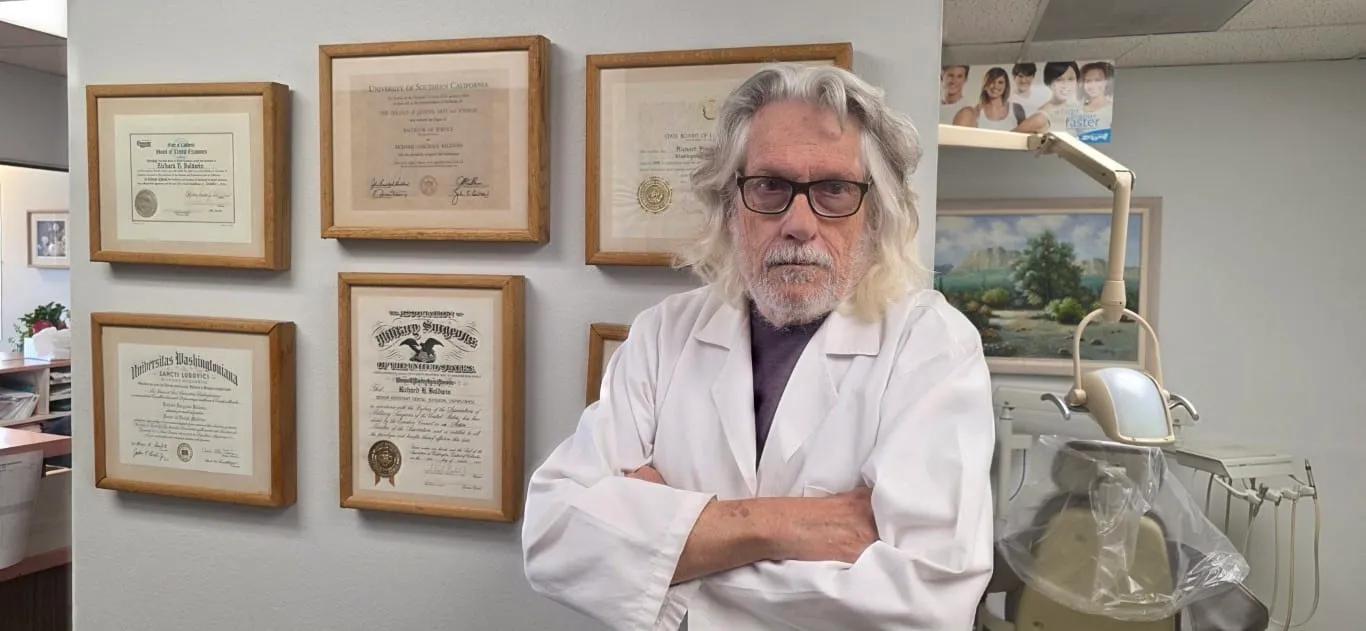
Written and clinically reviewed by Dr. Richard Baldwin, DMD General & cosmetic dentist in Huntington Beach since 1979 · Washington University School of Dental Medicine · Updated
Sources & further reading
- Brushing your teeth — American Dental Association · MouthHealthy
- Flossing — American Dental Association · MouthHealthy
- Dental X-rays — American Dental Association · MouthHealthy
- Tooth decay — National Institute of Dental and Craniofacial Research (NIH)
This guide is general dental information from a practicing dentist, not a diagnosis. Treatment recommendations and costs are confirmed at an in-person exam.